
Across the broad plains of Eastern Europe, political declarations often move like distant weather systems — slow to arrive, yet capable of reshaping entire horizons. In Belarus, where geography has long tied national identity to larger regional currents, recent remarks from President Aleksandr Lukashenko once again drew attention to the uncertain edges of the war in Ukraine. His words carried the tone of warning and reassurance at once, reflecting the delicate position Belarus continues trying to maintain beside its powerful ally, Russia.
Lukashenko stated that Belarus would enter the war directly only if the country itself faced external aggression. The Belarusian leader framed military involvement as a matter of defense rather than expansion, repeating a position that Minsk has voiced throughout much of the conflict. Since Russia launched its full-scale invasion of Ukraine in 2022, Belarus has remained closely aligned with Moscow politically and strategically, though it has officially denied direct participation in frontline combat.
Belarus nevertheless played a critical logistical role during the early stages of the invasion. Russian troops crossed Ukrainian borders from Belarusian territory, placing Minsk at the center of international scrutiny. That history continues influencing how Ukraine and Western governments view Belarusian security policy today. Reports from Reuters and the Associated Press noted that regional tensions remain elevated as military cooperation between Russia and Belarus continues through joint exercises and strategic coordination.
For Ukraine, concerns surrounding Belarus extend beyond public statements alone. Ukrainian officials have repeatedly warned about troop movements, training operations, and military infrastructure near the northern border. President Volodymyr Zelenskyy recently emphasized that Kyiv continues closely monitoring developments involving Belarus and Russia, particularly amid fears of potential escalation in border regions.
Inside Belarus, Lukashenko’s government has sought to balance several pressures simultaneously. On one side lies deep dependence on Moscow for economic and political support. On the other stands the challenge of avoiding deeper instability at home, where direct entry into the conflict could carry significant social and economic consequences. Analysts observing Minsk suggest this balancing act has shaped much of Belarus’ cautious public rhetoric since the war began.
The broader geopolitical landscape also adds weight to every official remark emerging from Minsk. Belarus borders several NATO member states, placing it within one of Europe’s most sensitive strategic zones. As a result, statements regarding military participation are interpreted not only by neighboring countries but also by international alliances seeking to assess regional stability.
Meanwhile, diplomatic isolation has gradually narrowed Belarus’ room for maneuver. Western sanctions imposed after Belarus supported Russian operations have strengthened Minsk’s reliance on Moscow, further intertwining the political futures of the two governments. Yet despite this alignment, Belarusian authorities continue presenting themselves as acting according to their own national security calculations.
For now, Belarus has not announced plans for direct military intervention in Ukraine. Lukashenko’s remarks instead appeared intended to define the conditions under which Minsk says it would act, while signaling that the conflict’s wider regional implications remain far from settled.
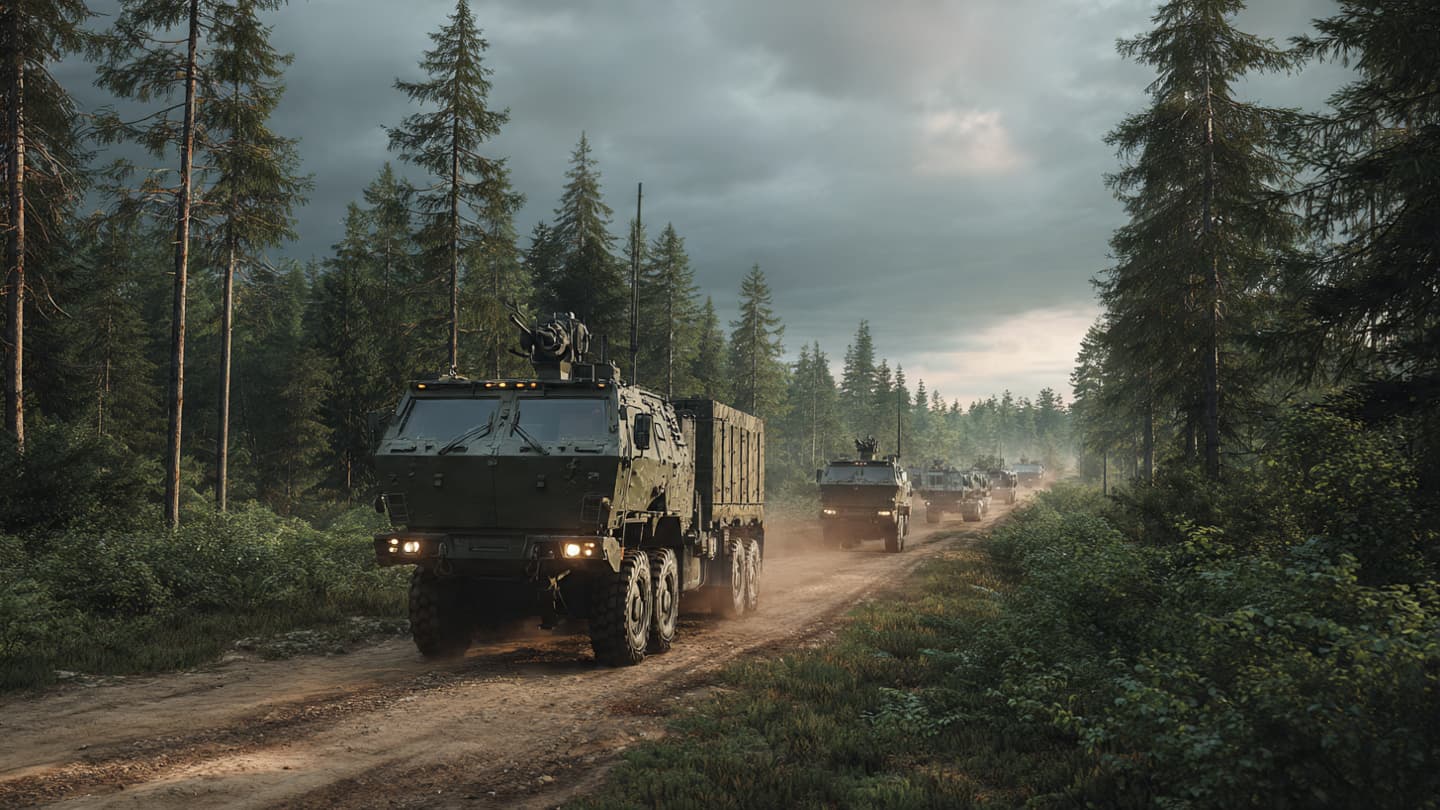
Disclaimer: Some images accompanying this article were generated using artificial intelligence for editorial illustration purposes.
Sources: Reuters, Associated Press, BBC, The Guardian, Ukrainska Pravda
Note: This article was published on BanxChange.com and is powered by the BXE Token on the XRP Ledger. For the latest articles and news, please visit BanxChange.com