When temperatures climb relentlessly, people naturally seek places that offer comfort and relief. Across France, rivers, lakes, beaches, and reservoirs have become popular destinations as residents attempt to escape the intensity of the ongoing heatwave. Yet alongside the welcome promise of cooler water, authorities have observed another trend—an increase in drowning incidents that has prompted renewed safety warnings.
The attraction of water during hot weather is easy to understand. Families, tourists, and local residents often gather near natural waterways to cool off and enjoy outdoor recreation. During periods of extreme heat, however, crowded conditions and spontaneous swimming activities can introduce risks that are sometimes overlooked in the search for immediate relief.
Emergency services have reported multiple incidents involving swimmers in locations ranging from rivers and lakes to coastal environments. While each situation differs, officials note that fatigue, strong currents, unfamiliar conditions, and overestimation of swimming abilities can all contribute to dangerous outcomes.
Safety experts emphasize that extreme heat itself can increase vulnerability. Prolonged exposure to high temperatures may lead to exhaustion or dehydration, reducing physical performance and judgment. Entering cold or fast-moving water after spending hours in intense heat can also place additional stress on the body.
Authorities have encouraged residents to use supervised swimming areas whenever possible. Lifeguards, designated safety zones, and clearly marked facilities provide important layers of protection that may not be available in isolated or unofficial locations. Public awareness campaigns have highlighted the importance of preparation and caution.
The recent incidents have prompted local governments to reinforce safety messaging across affected regions. Information boards, emergency announcements, and social media advisories are being used to remind visitors about potential hazards. The goal is not to discourage recreation but to ensure that people remain aware of the risks associated with unfamiliar environments.
Community organizations and rescue services have also increased patrols in popular recreational areas. Additional personnel have been deployed in some locations to assist visitors and respond rapidly if emergencies occur. These measures reflect the extraordinary circumstances created by the heatwave and the resulting increase in outdoor activity.
Researchers who study climate and public behavior note that heatwaves often influence recreational patterns. As temperatures rise, demand for natural cooling spaces tends to increase. Understanding how people respond to extreme weather can help authorities improve safety planning and resource allocation during future events.
For many families, visits to rivers and beaches remain an important way to enjoy summer despite challenging conditions. Officials stress that such activities can be both enjoyable and safe when appropriate precautions are taken. Awareness, supervision, and respect for local conditions remain essential components of water safety.
As France continues to experience unusually high temperatures, authorities hope that public vigilance will help reduce further incidents. The search for relief from the heat is understandable, but recent events serve as a reminder that safety must remain part of every journey toward cooler waters.
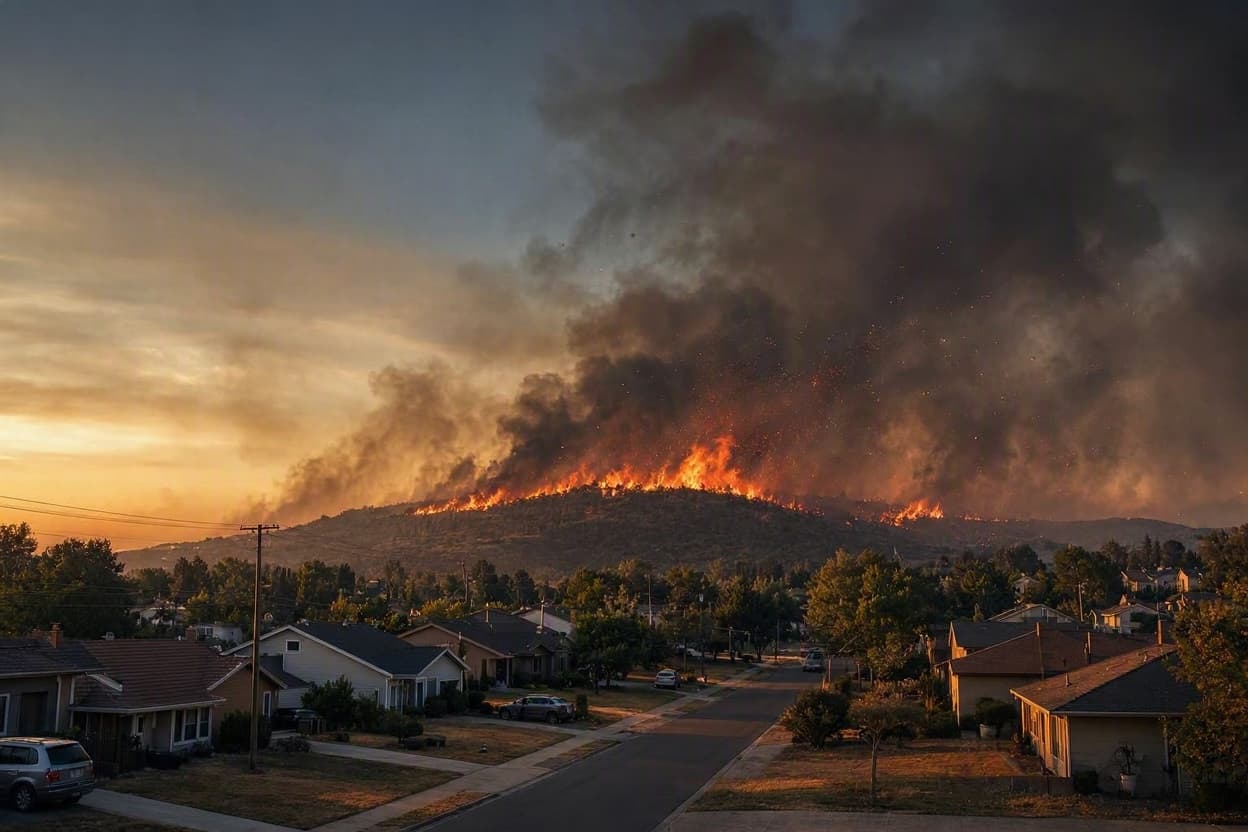
AI IMAGE DISCLAIMER:
Visuals are created with AI tools and are not real photographs.
SOURCES:
Reuters Le Monde France 24 Associated Press The Guardian
Note: This article was published on BanxChange.com and is powered by the BXE Token on the XRP Ledger. For the latest articles and news, please visit BanxChange.com