Beneath the ocean's surface lies a world that remains only partially known, where evolution has produced creatures of remarkable diversity. In the waters surrounding Papua New Guinea, scientists have once again encountered a species that challenges common perceptions about marine life.
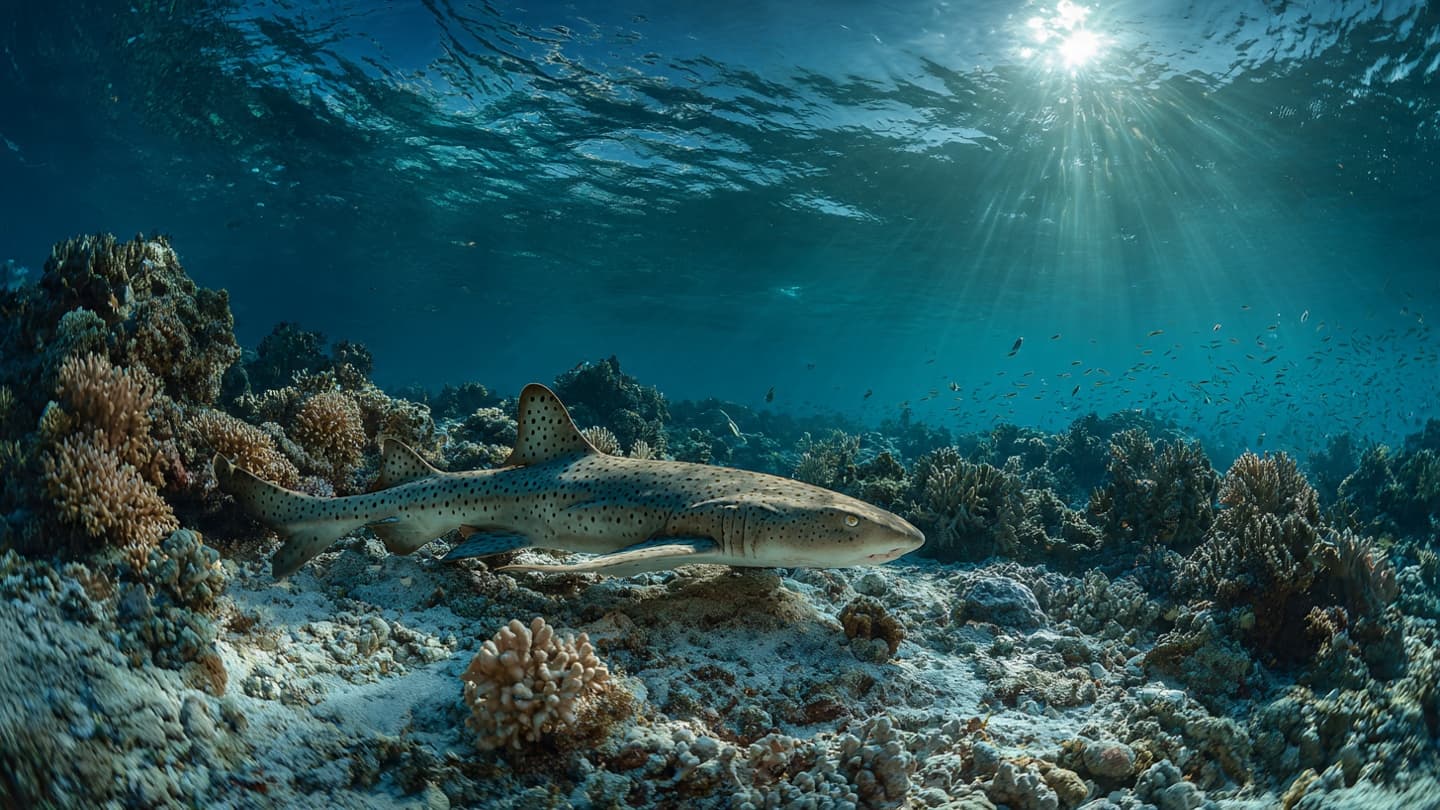
Marine researchers have documented a rare species of so-called "walking shark" in the waters of Papua New Guinea. Unlike most sharks, these animals use their fins to move across the seafloor in a manner resembling walking.
Walking sharks belong primarily to the genus Hemiscyllium and are generally small in size compared with many other shark species. They inhabit shallow coral reef environments, where maneuvering along the seabed can provide important advantages while searching for food.
Scientists explain that these sharks use modified pectoral and pelvic fins to propel themselves across reefs, particularly in areas where swimming may be less efficient. Their unique locomotion has attracted significant scientific interest.
Researchers emphasize that Papua New Guinea's marine ecosystems remain among the world's richest centers of biodiversity. Continued exploration frequently leads to new discoveries, highlighting how much remains unknown about life beneath the sea.
Conservationists also note that coral reef habitats face increasing pressure from climate change, pollution, and overfishing. Protecting these ecosystems is considered essential for preserving rare species and maintaining marine biodiversity.
The latest observations contribute valuable information regarding the distribution, behavior, and ecology of walking sharks. Such knowledge may assist future conservation and management efforts.
As scientists continue studying marine environments across the Indo-Pacific, discoveries like these serve as reminders that Earth's oceans still hold many secrets awaiting exploration.
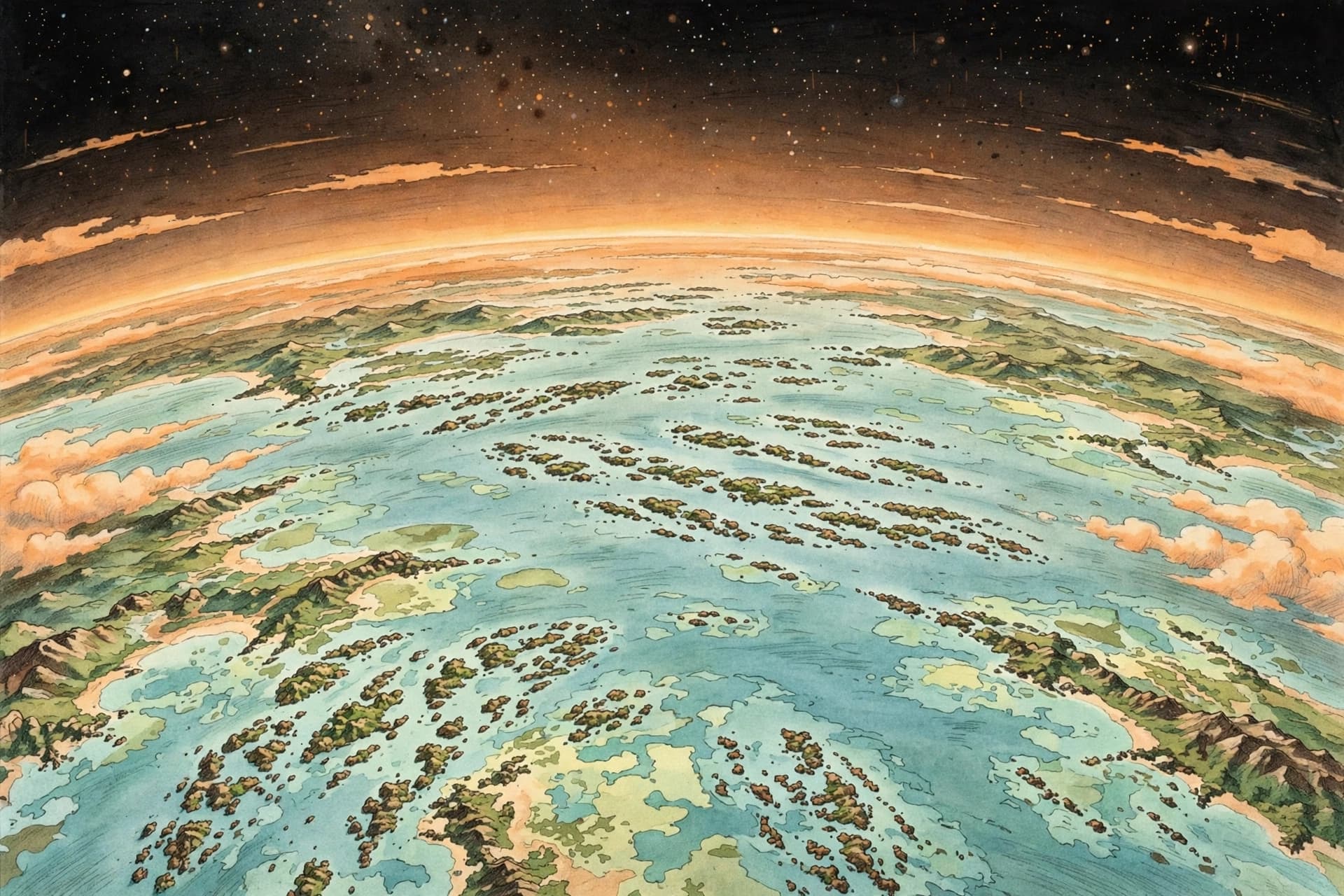
AI-generated image disclaimer: The accompanying images were created using artificial intelligence to visually represent the species discussed in this article.
Source Verification Check: Live Science, Conservation International, Marine Biology journals, National Geographic
Published by Banx Network. This article is part of the Banx decentralized media programme, powered by the BXE token on the XRP Ledger.