California has long lived with the quiet awareness that the ground beneath it is constantly moving. Most days, those movements pass unnoticed, hidden beneath the rhythms of daily life. Yet for scientists studying the Earth's crust, even subtle shifts can offer valuable clues about future seismic activity.
Researchers and seismologists across the United States continue to closely monitor fault systems in California as part of ongoing efforts to better understand the potential for major earthquakes. Recent studies and updated seismic assessments have renewed attention on the state's long-recognized earthquake risks.
California sits along the boundary between the Pacific and North American tectonic plates, making it one of the world's most seismically active regions. The San Andreas Fault, along with numerous interconnected fault systems, has historically produced significant earthquakes that have shaped both the landscape and public policy.
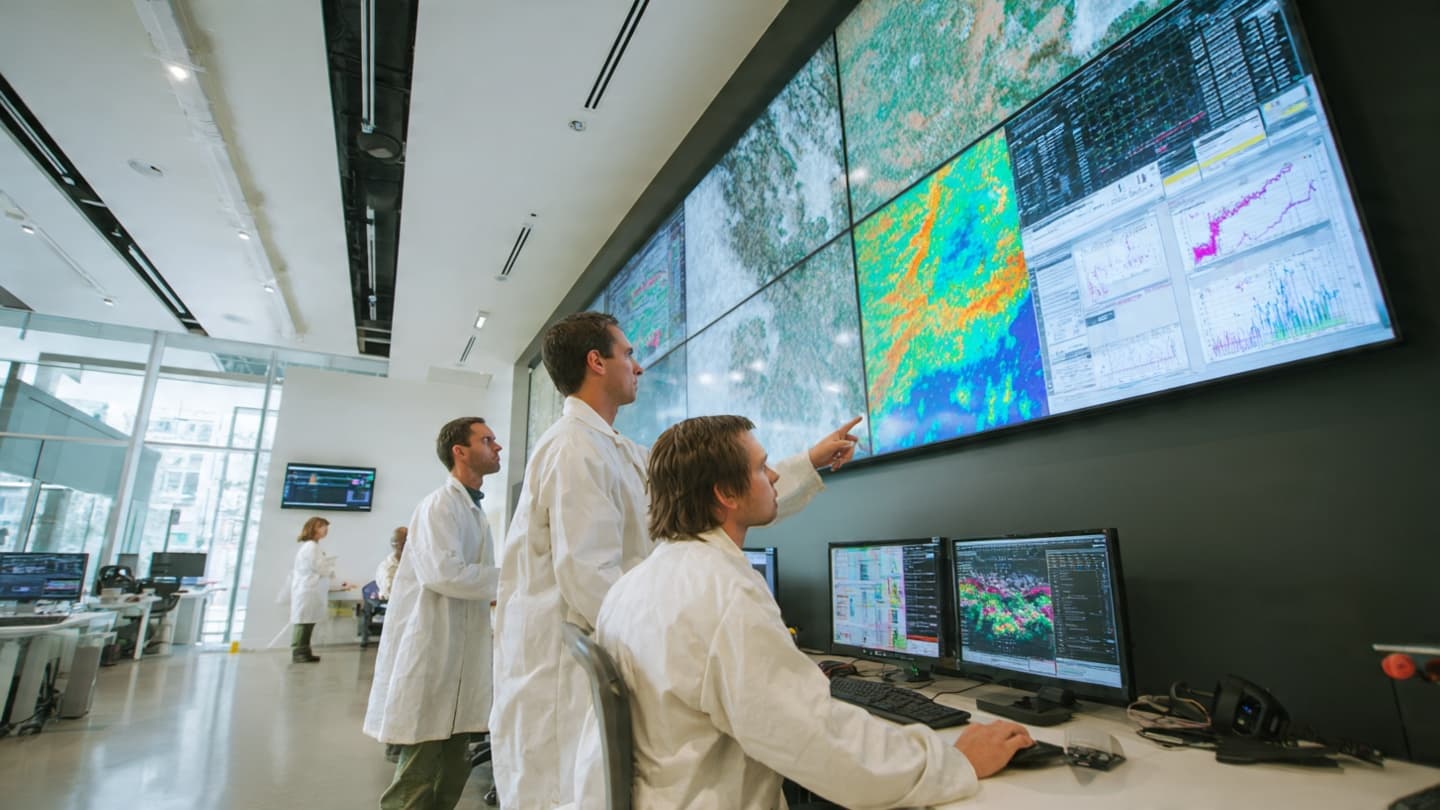
Scientists emphasize that modern monitoring technologies have greatly improved the ability to observe seismic activity. Networks of sensors distributed throughout the state continuously record ground motion, allowing researchers to track patterns that may provide insights into fault behavior.
Despite advances in earthquake science, experts caution that accurately predicting the exact timing of major earthquakes remains beyond current scientific capabilities. Instead, researchers focus on probabilistic assessments that estimate the likelihood of significant events occurring over extended periods.
Emergency management agencies regularly use these assessments to guide preparedness strategies. Building codes, public education campaigns, and earthquake drills remain essential components of California's broader disaster resilience efforts.
Researchers also continue investigating early-warning systems capable of providing seconds of advance notice before strong shaking arrives. Although brief, such warnings can help individuals and critical infrastructure take protective action.
Scientists stress that preparedness remains the most effective response to seismic risk. While earthquakes cannot be prevented, informed communities and resilient infrastructure can significantly reduce their impact when future events occur.
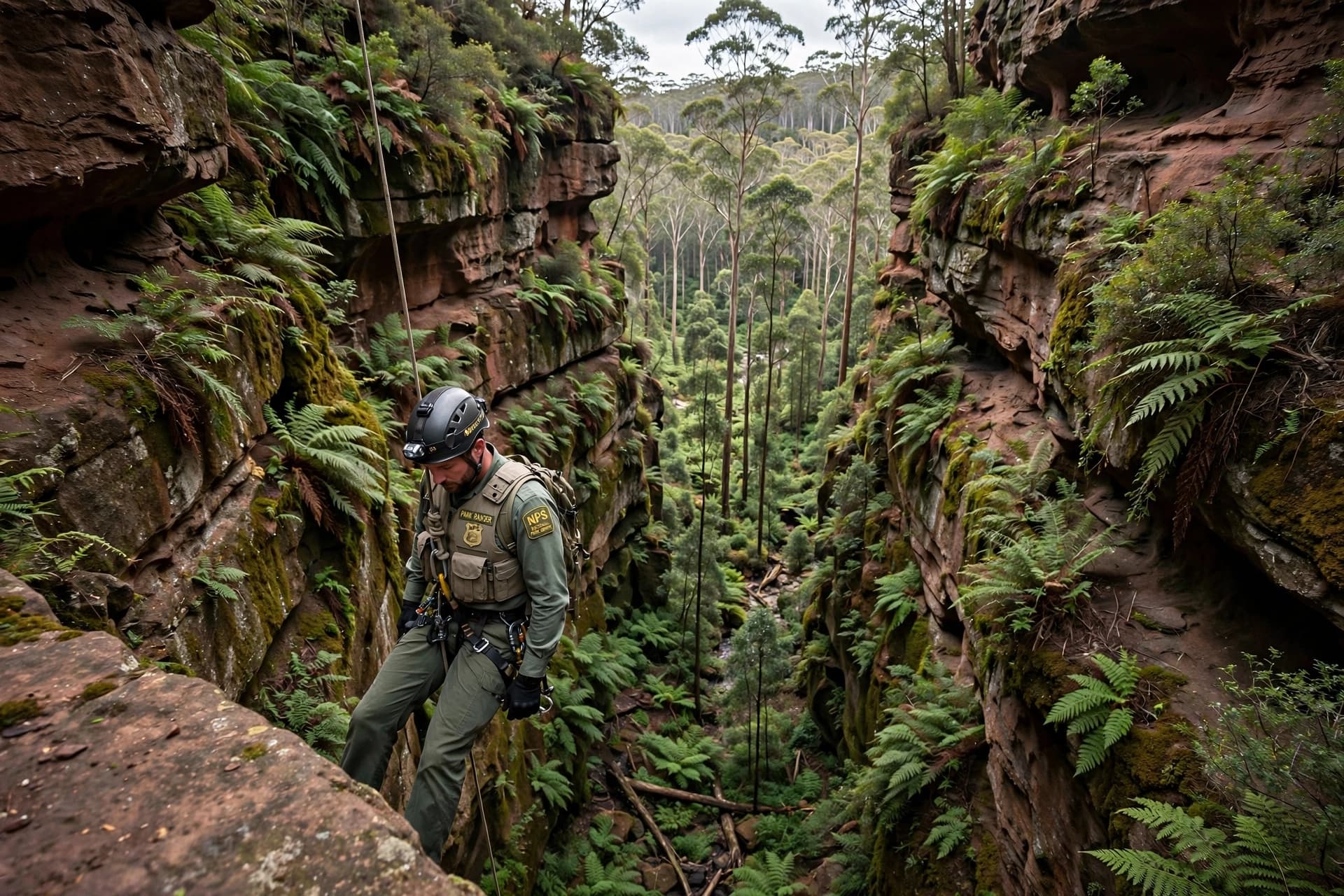
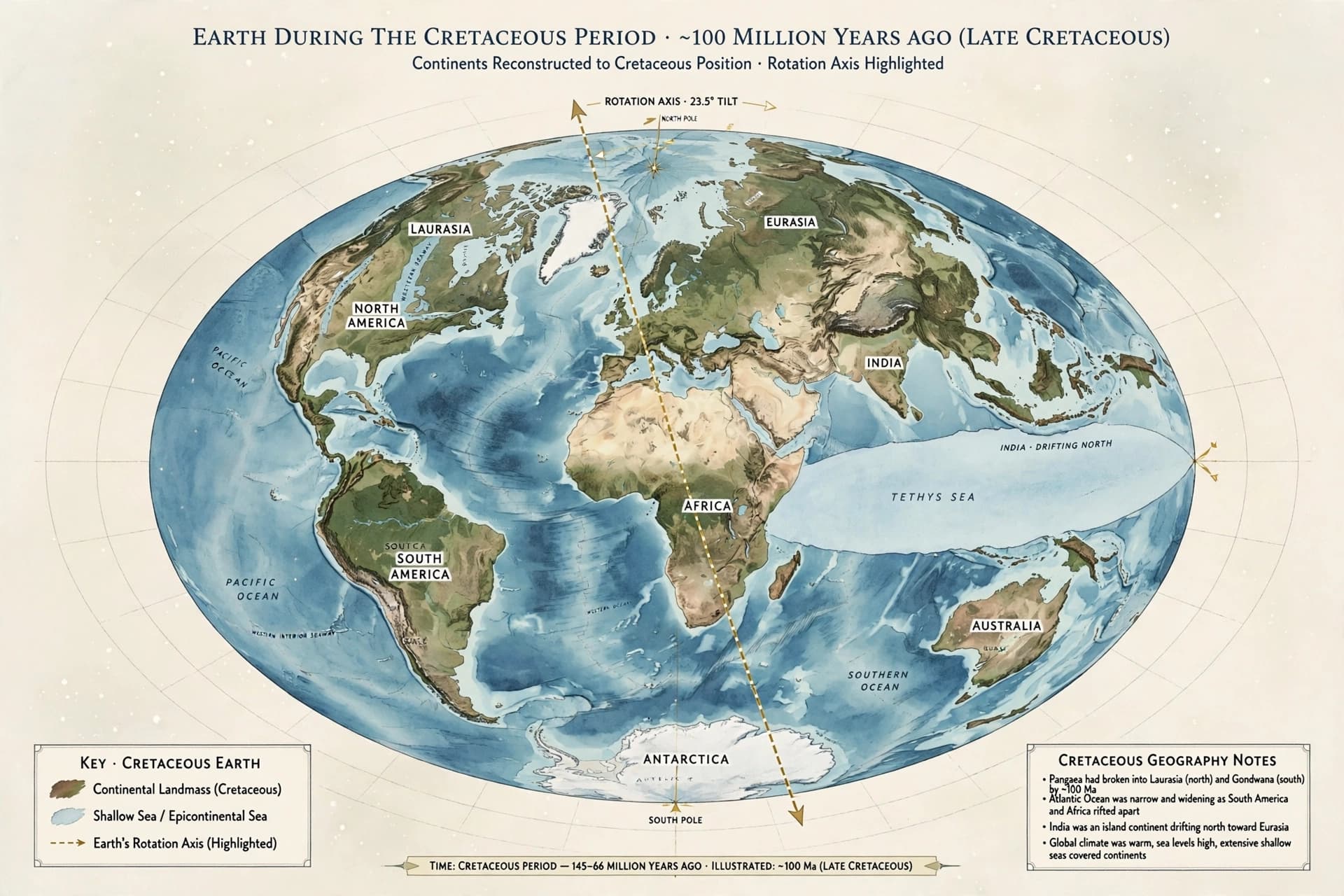
AI Image Disclaimer: The images accompanying this article were generated using AI to illustrate seismic research and earthquake preparedness.
Sources: U.S. Geological Survey (USGS), Reuters, California Office of Emergency Services, ScienceDaily, Nature Geoscience
Published by Banx Network. This article is part of the Banx decentralized media programme, powered by the BXE token on the XRP Ledger.