Some of the universe's most dramatic events occur in silence, unfolding far beyond human sight. Yet even these distant cosmic explosions leave subtle traces, and astronomers are developing new ways to find them. Researchers now believe the Vera C. Rubin Observatory could help reveal one of astronomy's rarest phenomena: orphan gamma-ray bursts.
A recent scientific study suggests that the Vera C. Rubin Observatory may be capable of detecting orphan gamma-ray bursts, unusual cosmic events that have remained largely hidden from observation. The findings could significantly expand understanding of some of the universe's most energetic explosions.
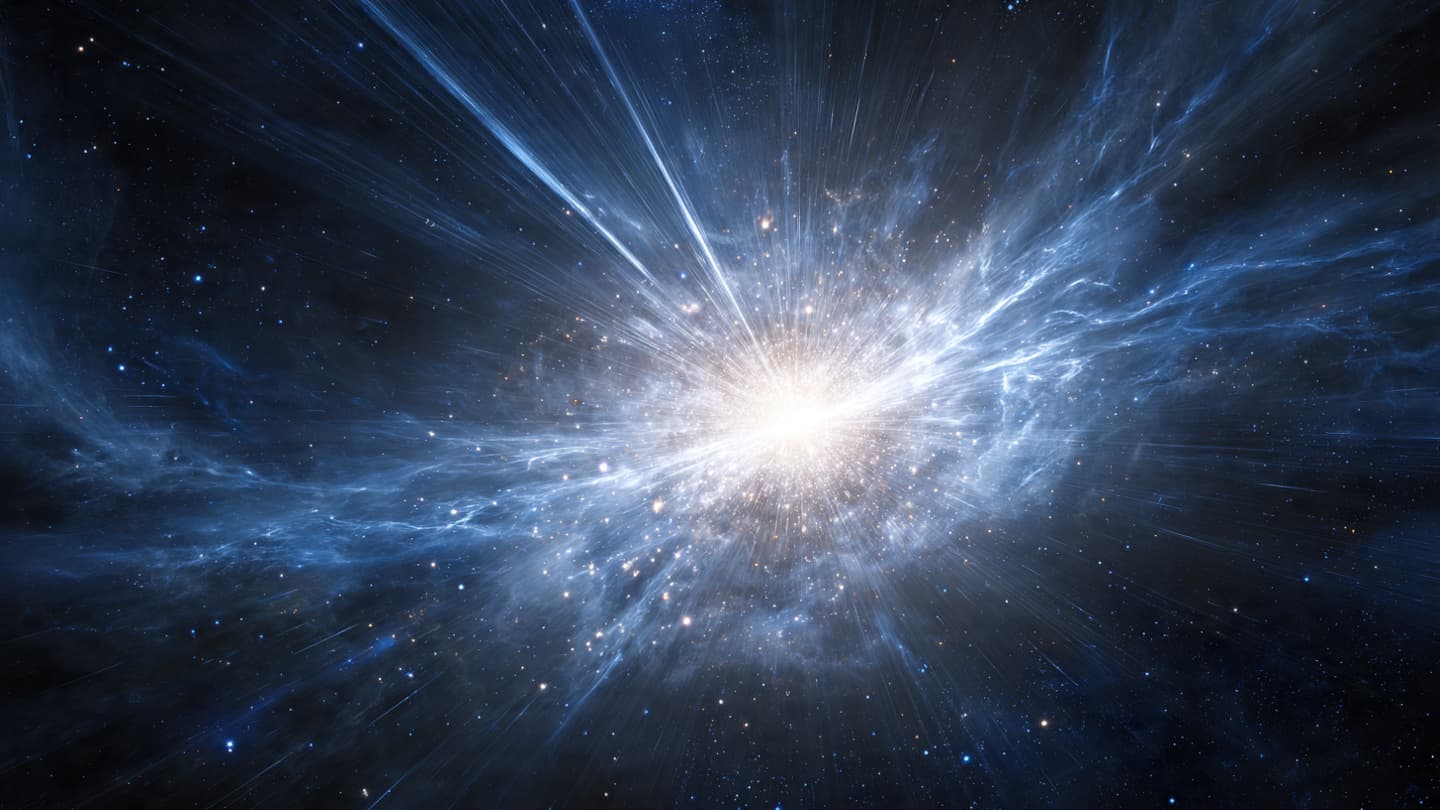
Gamma-ray bursts are intense releases of energy typically associated with collapsing massive stars or the merger of compact objects such as neutron stars. Most known events are detected when powerful jets point directly toward Earth.
Orphan gamma-ray bursts differ because their energetic jets are not initially directed toward Earth. As a result, traditional gamma-ray observatories often miss them. However, scientists believe the afterglow produced as these jets spread outward may eventually become visible through optical observations.
The Rubin Observatory's wide-field survey capabilities make it especially suited to searching for such transient phenomena. By repeatedly imaging large portions of the sky, the facility could identify changing sources that match theoretical predictions for orphan afterglows.
Detecting these elusive events would provide researchers with valuable information about the true population of gamma-ray bursts in the universe. Current observations may represent only a fraction of the total number occurring throughout cosmic history.
Scientists also hope that identifying orphan bursts could improve understanding of jet physics, stellar evolution, and the environments surrounding catastrophic cosmic explosions.
The research highlights a broader trend in astronomy toward time-domain science, an approach focused on observing how the universe changes over time. Rubin Observatory is expected to play a central role in this rapidly growing field.
Although the predictions remain theoretical until confirmed through observations, astronomers are optimistic that future Rubin data may uncover entirely new classes of transient cosmic events.
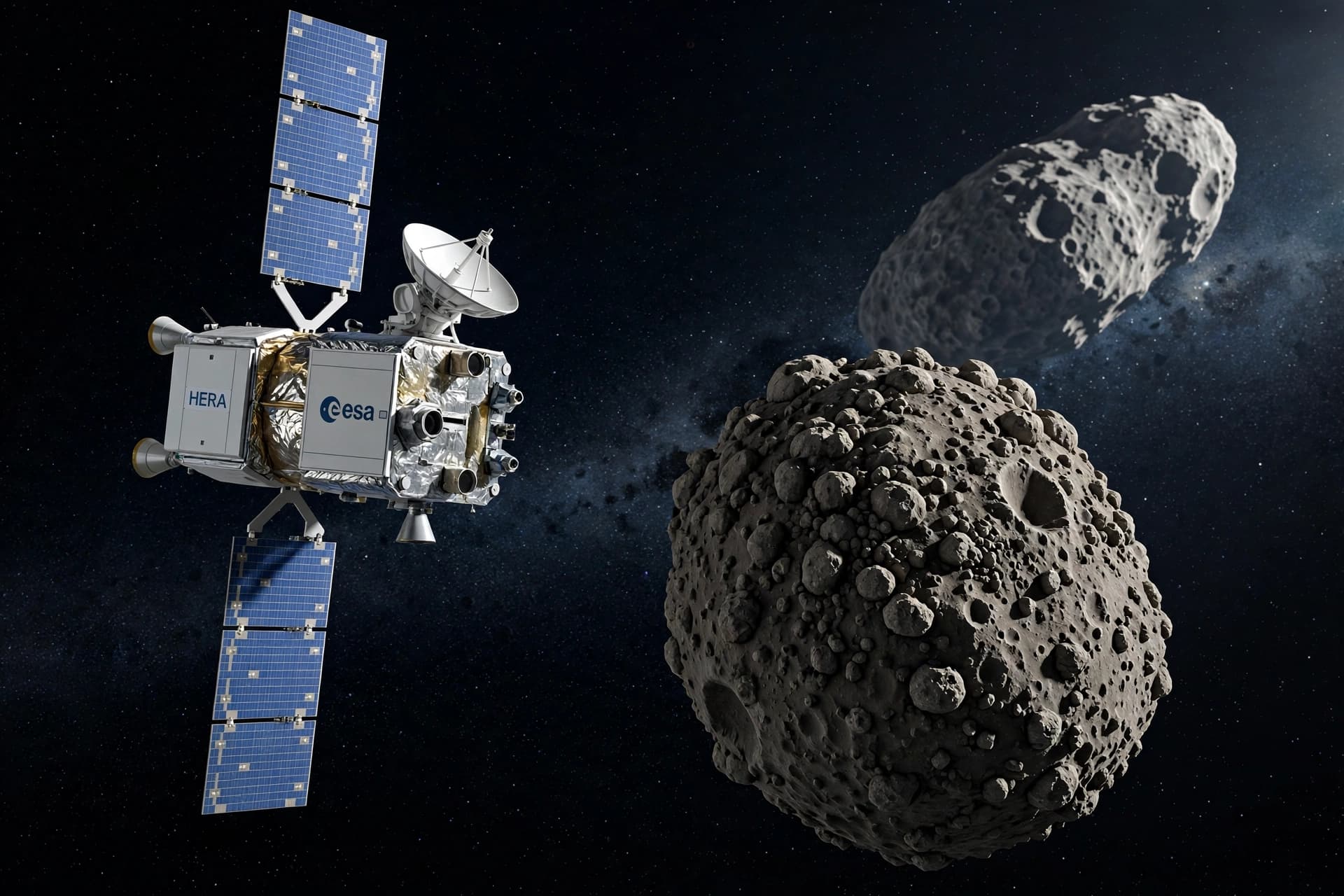
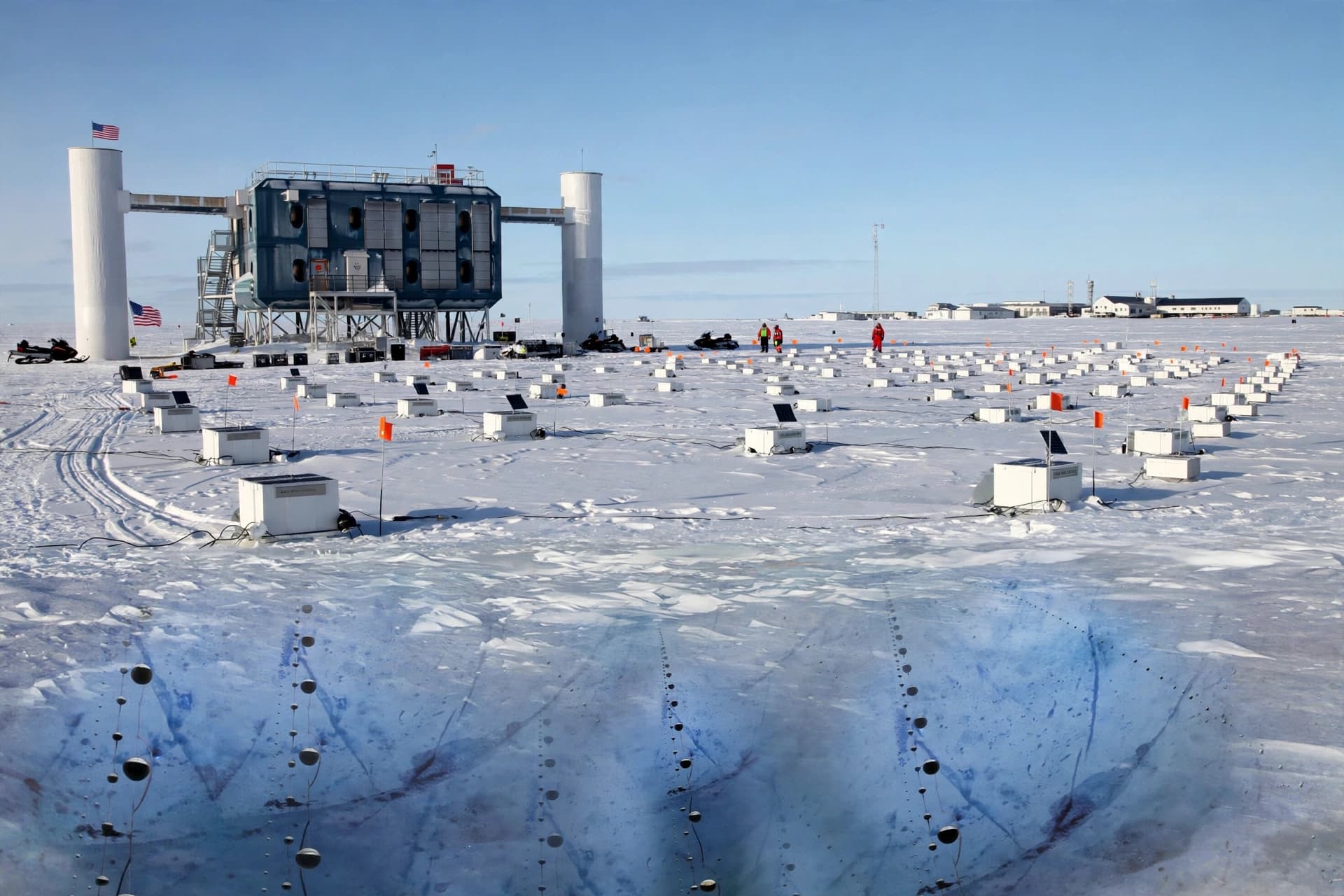
AI Image Disclaimer: Visual elements in this article are AI-generated representations intended for educational and illustrative purposes.
Sources Verified: Vera C. Rubin Observatory, Astrophysical Journal research, arXiv preprints, National Science Foundation
Published by Banx Network. This article is part of the Banx decentralized media programme, powered by the BXE token on the XRP Ledger.