
Key Highlights
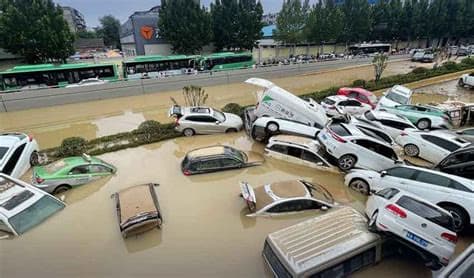
- Severe flooding in northern China has submerged roads and vehicles.
- Typhoon Bavi triggered heavy rains, worsening flood conditions.
- Authorities issued red alerts for heavy rain and flash floods.
Severe flooding has struck northern China, particularly affecting the Hebei and Liaoning provinces, where roads have been submerged and vehicles damaged. Reports from Reuters indicate that the flooding is a direct consequence of Typhoon Bavi, which has been described as the strongest storm to impact mainland China this year. The storm brought torrential rains and violent winds, exacerbating the already precarious flood situation across multiple regions.
In Kuancheng, a county in Hebei located along the banks of the Luan River, water levels surged to over two meters on local roads. Local media have broadcast accounts of the flooding, showing social media videos of cars being swept away by the strong currents. Residents have resorted to swimming or using paddleboards to navigate the inundated streets, highlighting the severity of the situation.
As the flooding unfolded, authorities issued warnings about the potential for further torrential rain across several regions. Hebei province has implemented a red alert for heavy rain, advising that work stoppages, business closures, and public gatherings should be fully enforced to ensure safety. Meanwhile, in Liaoning, officials have raised the red alert for flash floods, indicating a very high risk of additional flooding.
CCTV reported that approximately 1,800 villagers in Kuancheng have been stranded due to the rising waters, prompting local authorities to prioritize the relocation and resettlement of affected residents. In Shenyang, the provincial capital of Liaoning, many train services have been suspended, impacting over 30 railway sections. Schools across parts of the northeast, including Jilin province, have also been closed as a precautionary measure.
Meteorological forecasts cited by CCTV warn of additional hazards, including thunderstorms, hail, and even the risk of tornadoes in some areas. State media has reported that numerous rivers throughout the country are experiencing flooding above warning levels, raising concerns about the broader impact of this severe weather event.
The situation remains fluid as authorities continue to monitor the weather and respond to the needs of affected communities. The combination of Typhoon Bavi's aftermath and ongoing weather threats underscores the vulnerability of these regions to extreme weather events, necessitating ongoing vigilance and preparedness.
Published by Banx Network. This article is part of the Banx decentralized media programme, powered by the BXE token on the XRP Ledger.



