
Key Highlights
- Saudi Arabia intercepted a missile fired by Houthi forces.
- The interception is part of a retaliation campaign following earlier strikes on Sana’a.
- Analysts warn of escalating tensions and risks to civilians.
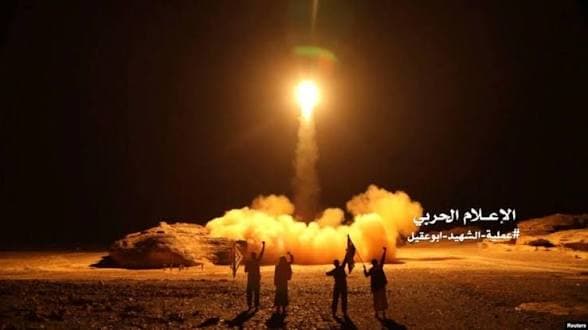
Saudi Arabia's air defenses successfully intercepted a missile launched by Houthi forces, marking a significant moment in the ongoing conflict between the two parties. The Saudi government characterized this interception as a necessary response to earlier missile strikes targeting the Yemeni capital, Sana’a. This incident underscores the escalating tensions in the region, where both sides have engaged in a series of retaliatory strikes that threaten to broaden the conflict.
The missile interception was confirmed by Saudi officials, who stated that the missile was prevented from reaching its intended target. Authorities have urged residents and travelers in the vicinity to remain vigilant as they assess the situation. This incident is part of a broader pattern of missile launches and defensive actions that have characterized the conflict, with both the Houthis and Saudi Arabia framing their actions as responses to prior attacks.
As the situation develops, analysts are closely monitoring the strategic implications of these retaliatory claims. They suggest that such actions are not merely military responses but also serve as a means of demonstrating capability and resolve to both domestic and international audiences. However, experts caution that the cycle of retaliation can lead to rapid escalation, complicating efforts to protect civilian lives and infrastructure in the region.
The ongoing conflict has already resulted in significant humanitarian challenges, with civilians often caught in the crossfire. The recent missile launch and subsequent interception highlight the precarious nature of security in the region and the potential for further escalation. As both sides continue to engage in military posturing, the risks to civilian populations remain a pressing concern.
In light of these developments, it is crucial for international observers and stakeholders to remain engaged in diplomatic efforts aimed at de-escalating tensions. The situation in Yemen has been dire for years, and the potential for increased violence could exacerbate an already critical humanitarian crisis. Continued dialogue and negotiation are essential to prevent further deterioration of the situation.
Published by Banx Network. This article is part of the Banx decentralized media programme, powered by the BXE token on the XRP Ledger.



