
Key Highlights
- Ship traffic through the Strait of Hormuz has decreased significantly, with only 23 vessels crossing recently.
- This decline follows renewed tensions and strikes between the U.S. and Iran over control of the waterway.
- The strait is vital for global trade, carrying over 20% of the world's oil and gas supplies.
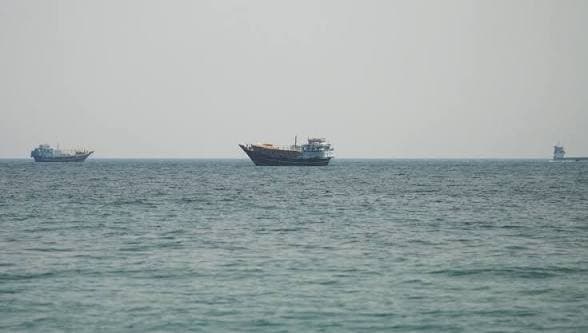
Ship traffic through the Strait of Hormuz has dropped steeply amid renewed tensions between the U.S. and Iran over control of the waterway. Maritime intelligence firm Kpler reported that only 23 tankers and cargo ships crossed the strait on Wednesday, a significant decrease from 47 vessels just a week earlier. This sharp decline highlights the ongoing volatility in the region, which is critical for global energy supplies.
The latest drop in traffic follows a series of strikes in the region this week, marking a continuation of the cycle of attacks between the two nations. The vessels targeted were navigating a route favored by the U.S., which runs through Omani waters. In contrast, Iran has consistently maintained that the only “safe” route for maritime traffic is one that passes through its own territorial waters. This disagreement over safe passage underscores the broader geopolitical tensions that have escalated in recent months.
The Strait of Hormuz is a crucial chokepoint for global trade, responsible for transporting more than a fifth of the world’s oil and gas supplies, as well as fertilizers and other essential goods. Prior to the recent escalation of conflict, the Joint Maritime Information Center (JMIC) reported an average of 138 ships crossing the strait each day. However, since the onset of hostilities, traffic has dwindled to just a handful of vessels daily, raising concerns about the implications for global energy markets.
A signed U.S.–Iran deal had initially raised traffic levels after a period of severe disruption, with crossings peaking at 72 on June 24. However, the resurgence of violence has led to another significant drop in maritime activity. Analysts suggest that the situation is likely to remain unstable, with fluctuations expected as the U.S. and Iran continue to engage in hostilities and shipping companies adapt their routes in response to the heightened risks.
The implications of this decline in ship traffic are far-reaching, not only affecting the immediate stakeholders but also the global economy, particularly in energy markets. As tensions persist, the international community is closely monitoring developments in the Strait of Hormuz, a vital artery for global commerce.
Published by Banx Network. This article is part of the Banx decentralized media programme, powered by the BXE token on the XRP Ledger.



