In the silent vacuum of space, where gravity’s hold is but a whisper, scientists are discovering that the absence of weight may be the key to unlocking some of medicine’s most complex puzzles. A recent bioprinting experiment aboard the International Space Station has marked a significant leap forward in the quest to create lab-grown tissues, offering a glimpse into a future where organ failure might be treated with custom-made biological solutions.
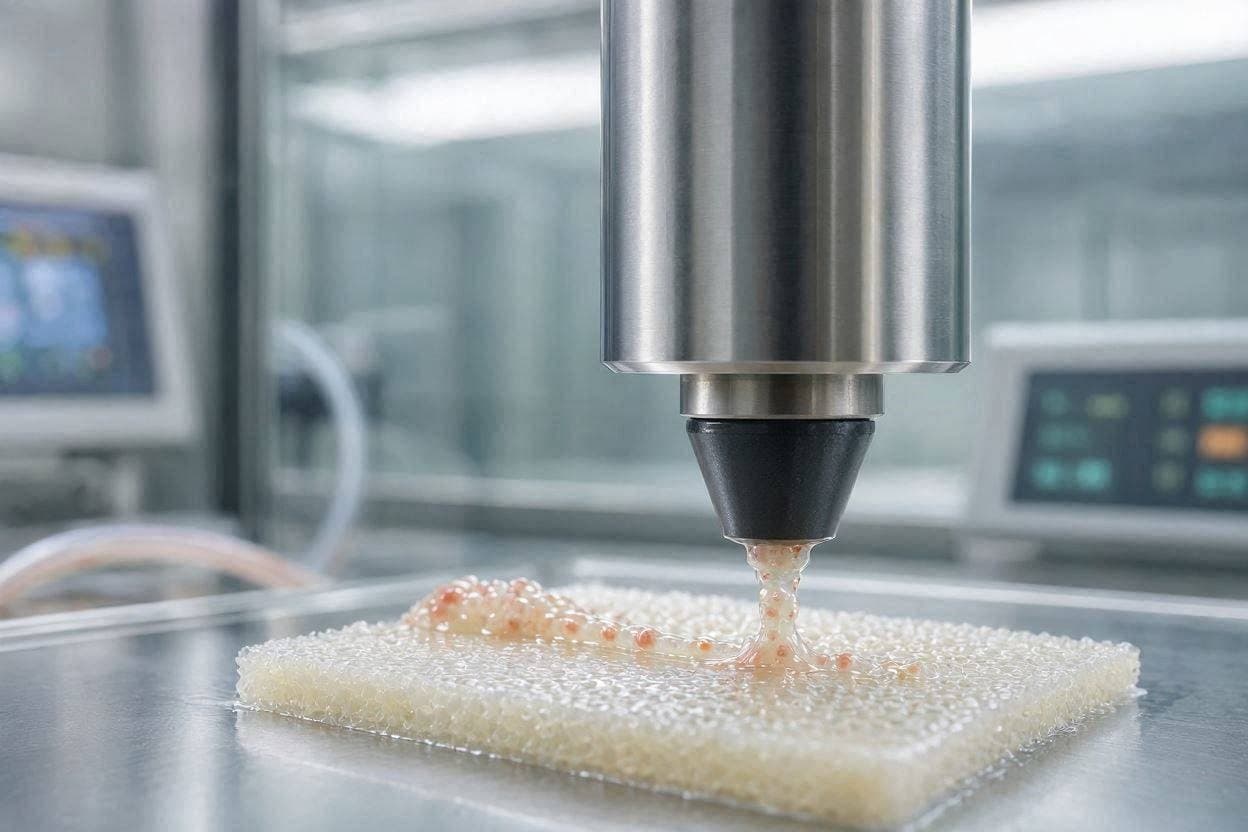
Body: The experiment, conducted using the station’s specialized BioFabrication Facility, focused on overcoming a persistent challenge faced by tissue engineers on Earth: the difficulty of controlling cell distribution in three-dimensional structures under the influence of gravity. In microgravity, cells can arrange themselves more naturally, forming complex tissues that mimic the human body’s architecture with greater fidelity. This unique environment allows for the creation of constructs that would otherwise collapse or deform on the ground.
Researchers have long sought to replicate the intricate matrix of human organs, such as the liver or heart, to aid in drug testing and eventual transplantation. The success of this latest mission demonstrates that bioprinting in space is not just a theoretical possibility but a practical tool for advancing regenerative medicine. The tissues produced are more uniform and structurally sound, providing better models for studying disease and testing therapies.
For patients awaiting transplants, this technology offers a beacon of hope. The ability to grow compatible tissue from a patient’s own cells could eliminate the risk of rejection and reduce the dependency on donor organs. While clinical applications are still years away, the progress made in orbit brings the dream of personalized medicine closer to reality. Each successful print is a step toward a world where waiting lists for organs may become a thing of the past.
The logistical challenges of conducting such delicate experiments in space are considerable. Astronauts must operate sophisticated equipment in a confined environment, often with limited direct support from ground control. Their role as both scientists and technicians highlights the collaborative nature of space exploration, where human ingenuity bridges the gap between theory and practice.
Beyond medical applications, the findings have implications for long-duration space travel. As humanity looks toward Mars and beyond, the ability to produce biological materials on demand will be crucial for astronaut health. This research lays the groundwork for self-sufficient life support systems that can adapt to the needs of crews far from Earth.
The international cooperation involved in these missions also underscores the shared human desire to improve life on our home planet. Data from the space station is shared openly, allowing researchers worldwide to build upon each other’s work. This collective effort accelerates innovation and ensures that the benefits of space research are accessible to all.
Closing: As the experiment concludes and data continues to be analyzed, the scientific community remains optimistic about the potential of space-based bioprinting. The journey from orbital laboratory to hospital bedside is long, but the path is now clearer, illuminated by the success of these pioneering efforts.
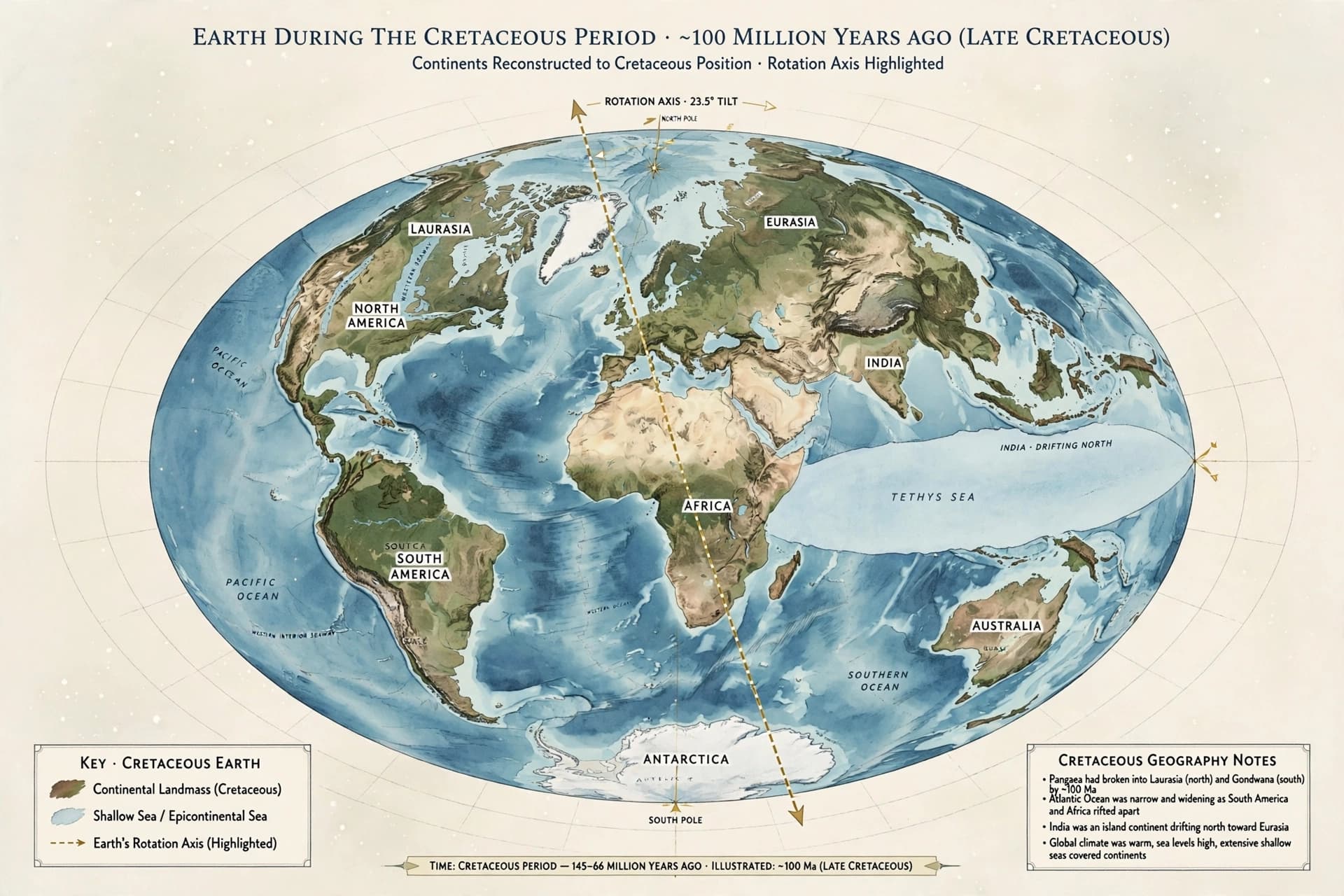
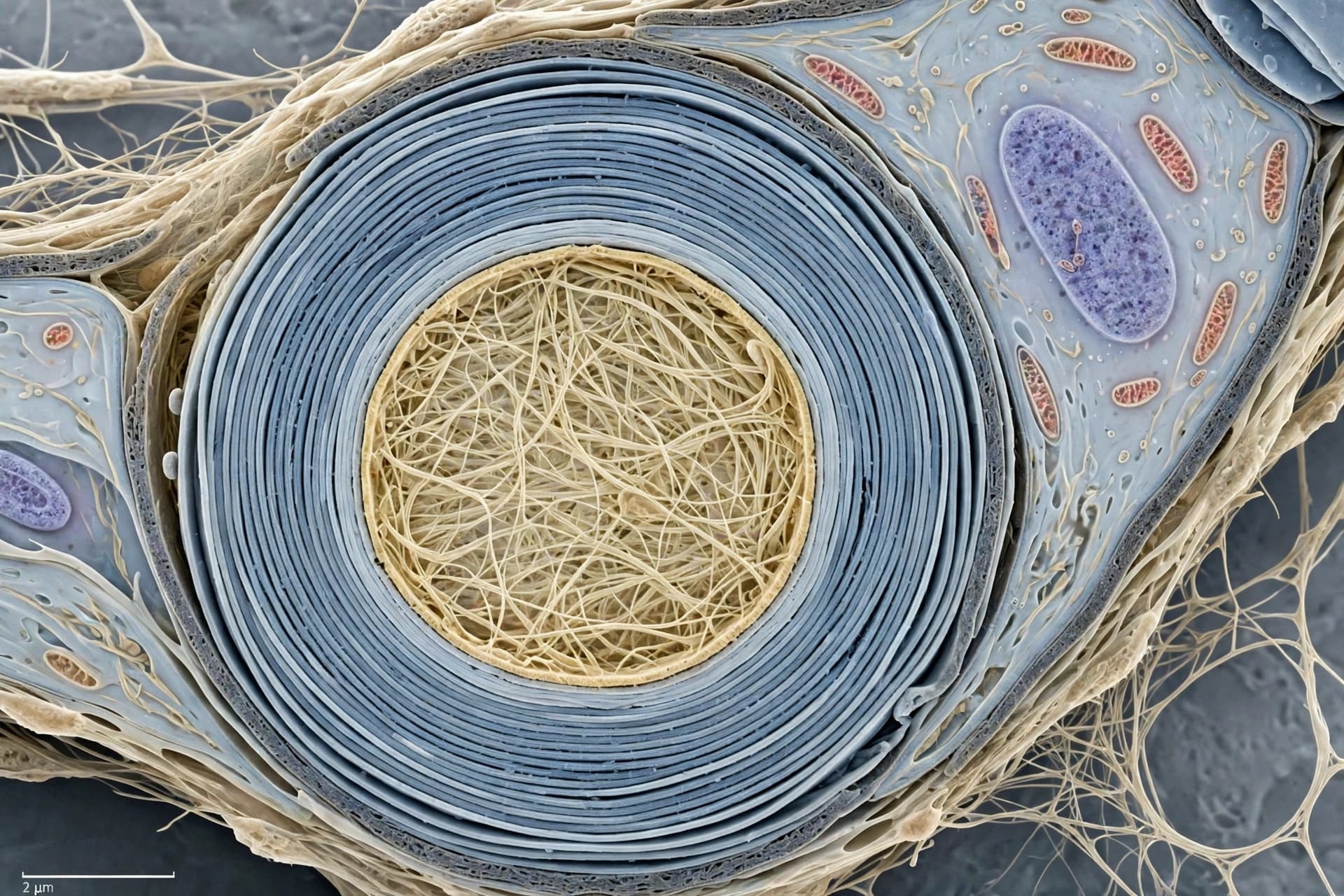
AI Image Disclaimer: The visual content accompanying this article is AI-generated for illustrative purposes and does not depict actual footage from the International Space Station.
Sources: Reuters NASA ScienceDirect PBS
Published by Banx Network. This article is part of the Banx decentralized media programme, powered by the BXE token on the XRP Ledger.