In Washington, D.C., political language often arrives wrapped in metaphor before hardening into policy. Words like “freedom,” “security,” and “fairness” drift through podium speeches and television panels until they begin carrying different meanings for different audiences. Now another phrase has entered that vocabulary — “Anti-Weaponisation Fund” — carrying with it the familiar tension of modern American politics, where law, media, and ideology increasingly overlap beneath the same spotlight.
The fund, associated with allies of Donald Trump, has been presented by supporters as a financial mechanism intended to assist individuals who believe they have been unfairly targeted by government institutions or politically motivated investigations. Critics, however, see something more expansive and more ambiguous: a symbolic extension of Trump’s long-running argument that federal agencies, prosecutors, and legal systems have been used selectively against political opponents.
In recent days, public debate has intensified around a simple but loaded question — who exactly qualifies for assistance under the fund, and where are the boundaries between legal support, political loyalty, and ideological identity?
The uncertainty itself has become part of the story. Conservative commentators and Trump allies have framed the initiative as protection against what they describe as “weaponized” institutions, invoking investigations tied to elections, media leaks, and federal prosecutions that have shaped American politics throughout the past decade. Opponents argue that such language risks deepening public distrust in democratic institutions already strained by polarization and conspiracy rhetoric.
Outside the legal and political details, the fund reflects something broader unfolding across the United States: the transformation of courtroom battles into cultural symbols. Trials, indictments, subpoenas, and congressional hearings no longer remain confined to legal procedure alone. They circulate instantly through podcasts, livestreams, fundraising emails, and campaign rallies, becoming part of an emotional and ideological landscape extending far beyond the courtroom itself.
For Trump’s supporters, the fund resonates with a belief that political outsiders and dissenting voices face disproportionate scrutiny from powerful institutions. For critics, the same initiative raises concerns about normalizing narratives that portray independent legal systems primarily through partisan lenses.
The debate arrives during a period when trust in institutions — from courts and Congress to news organizations and federal agencies — remains deeply fragmented across the American electorate. Polls over recent years have repeatedly shown widening divisions not simply over policy, but over the legitimacy of the institutions responsible for enforcing law and accountability.
In that atmosphere, even the language surrounding the fund carries symbolic weight. The term “weaponisation” suggests institutions transformed into instruments of political conflict rather than neutral frameworks of governance. To supporters, it captures grievance and resistance. To critics, it risks portraying all unfavorable legal scrutiny as inherently illegitimate.
Meanwhile, practical questions continue emerging regarding administration, transparency, and eligibility. Public discussion has centered on whether assistance could extend beyond high-profile political allies to include activists, media figures, or ordinary citizens involved in politically charged investigations. Some critics have openly suggested that nearly anyone publicly aligned against Trump’s opponents may eventually seek inclusion beneath the fund’s broad ideological umbrella.
Yet the conversation unfolding around the initiative also reflects how modern American politics increasingly operates through networks of identity and affiliation rather than traditional institutional boundaries alone. Legal defense funds, political action committees, advocacy groups, and media ecosystems now intertwine closely, creating parallel systems of support that blur distinctions between campaign infrastructure, ideological solidarity, and personal legal protection.
Beyond Washington, these debates ripple outward into diners, workplaces, online forums, and suburban living rooms where Americans continue interpreting national politics through profoundly different emotional realities. One side sees defense against institutional abuse; another sees the erosion of trust in democratic accountability itself.
By evening, cable news panels continue parsing legal terminology beneath bright studio lights while fundraising messages circulate quietly through inboxes and social media feeds. In the capital, staffers walk beneath illuminated government buildings where legal filings and political strategy often move in tandem behind closed doors.
And somewhere within that widening distance between law and perception, another uniquely American question lingers unresolved: whether institutions can still command shared public trust in an era when nearly every investigation, prosecution, or accusation arrives already filtered through the language of political allegiance.
The “Anti-Weaponisation Fund” may ultimately become more than a legal initiative. It may stand as another reflection of a country increasingly divided not only over outcomes, but over the very meaning of justice, power, and institutional legitimacy in public life.
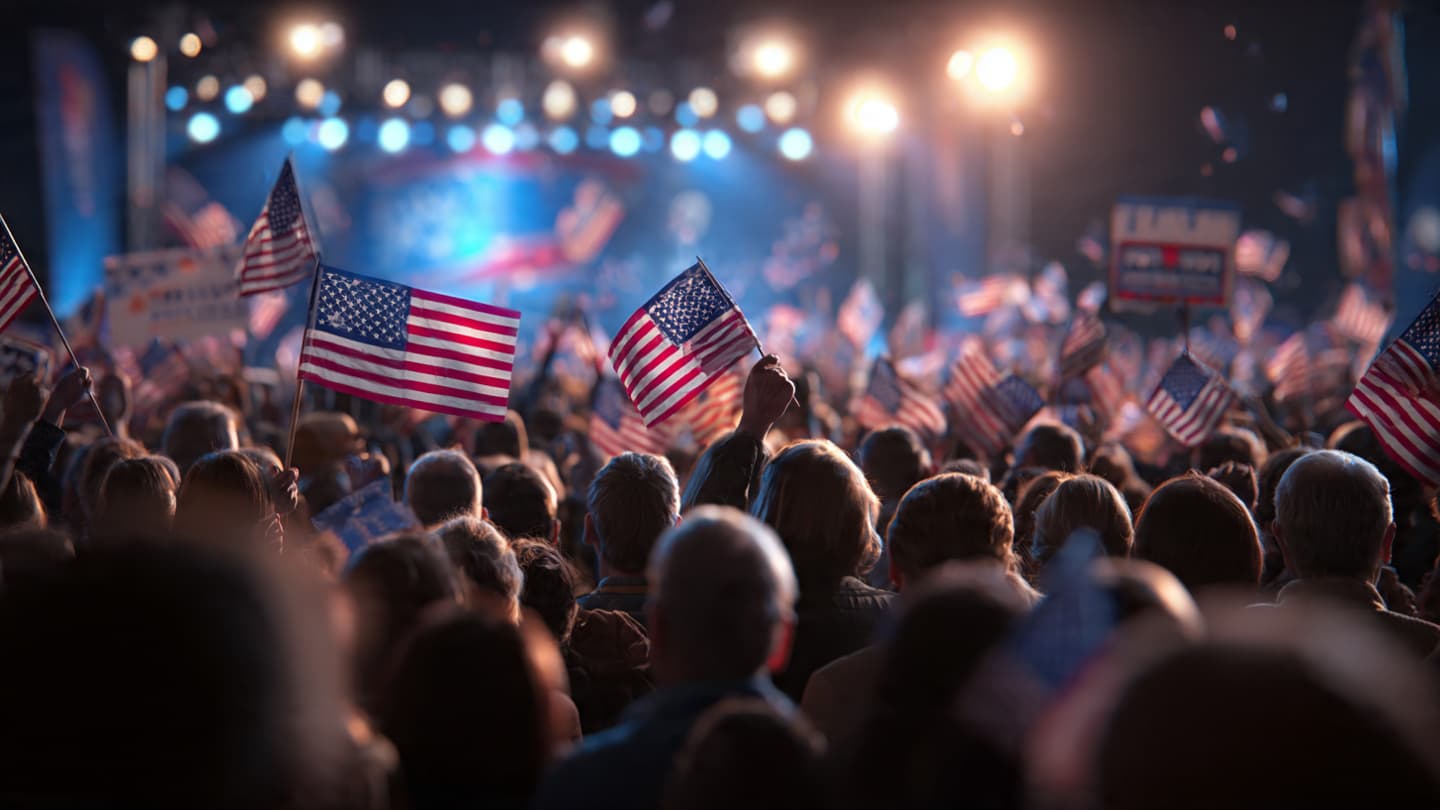
AI Image Disclaimer: Illustrations were created using AI tools and are intended as visual interpretations rather than authentic photographs.
Sources:
Reuters Associated Press CNN Politico The Washington Post
Published by Banx Network. This article is part of the Banx decentralized media programme, powered by the BXE token on the XRP Ledger.