
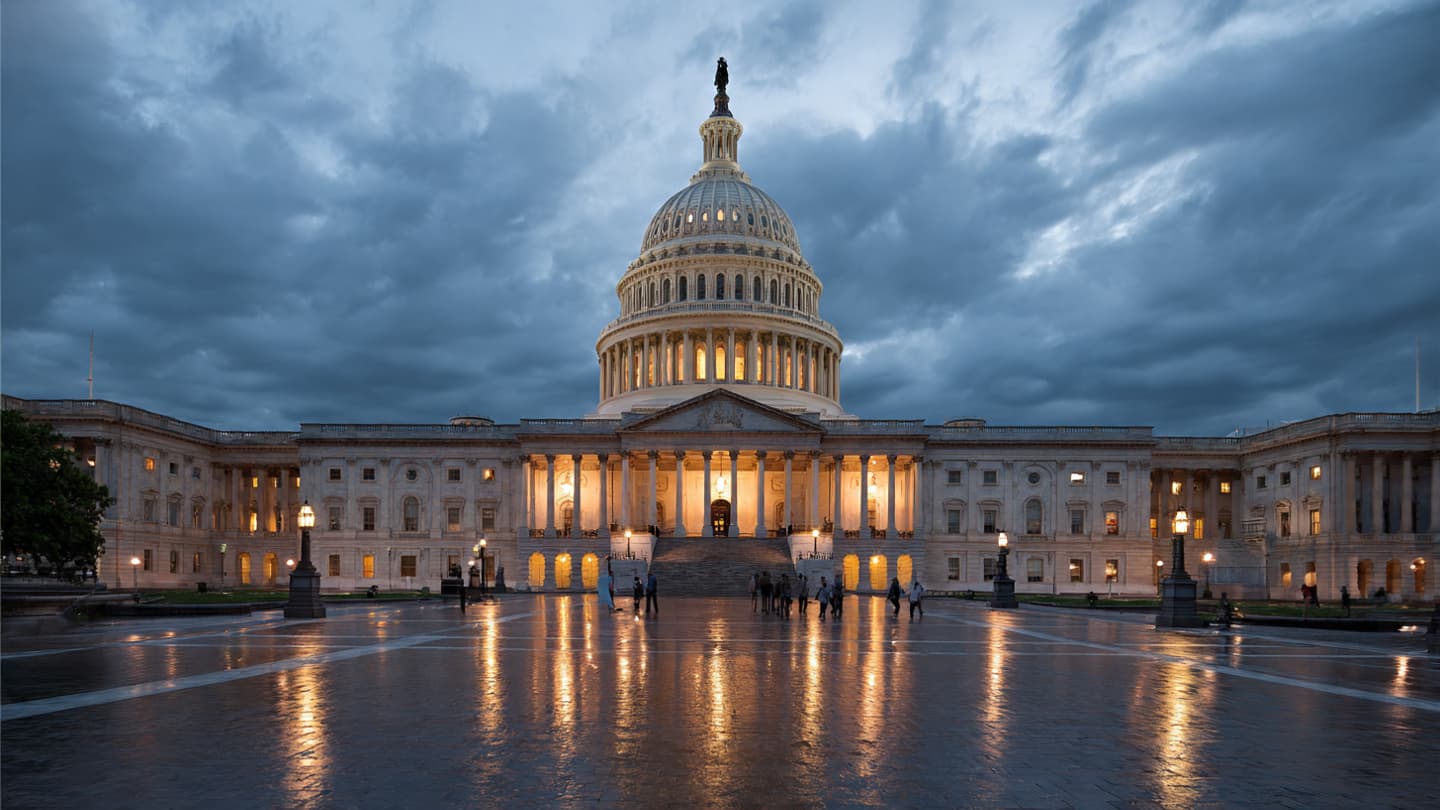
In late summer, Washington, D.C. often feels strangely suspended between urgency and exhaustion. The city’s broad avenues shimmer beneath humid light while lawmakers, aides, journalists, and security convoys move through routines shaped by deadlines that never fully end. Yet even in a capital accustomed to tension, there are moments when silence inside government corridors begins to say more than speeches themselves.
This week, Republican lawmakers departed Washington earlier than expected, leaving behind a Capitol increasingly defined by internal friction and growing disagreements with Donald Trump. Officially, scheduling adjustments and legislative pauses framed the early departure as procedural. Unofficially, however, the move reflected a party navigating mounting political strain beneath the surface of public unity.
For years, Trump has remained both the Republican Party’s most dominant figure and its most unpredictable center of gravity. His influence over primary elections, fundraising networks, media narratives, and grassroots voters continues shaping nearly every strategic calculation within the party. Yet influence does not always guarantee harmony. Increasingly, Republican lawmakers appear caught between maintaining alignment with Trump’s political base and managing the practical realities of governing, legislative compromise, and reelection pressures.
Inside congressional offices, tensions reportedly intensified over disputes involving spending negotiations, campaign strategy, and public messaging ahead of another volatile election cycle. Some Republicans have expressed frustration privately over Trump’s continued attacks on party figures viewed as insufficiently loyal, while others remain wary of distancing themselves too openly from a leader who still commands enormous support among conservative voters.
The result has been a political atmosphere marked less by open rebellion than by quiet unease — conversations behind closed doors, carefully phrased interviews, and strategic absences that reveal as much as direct confrontation.
Outside the Capitol, ordinary life in Washington continued beneath heavy afternoon skies. Tourists gathered along the National Mall, school groups moved through museum corridors, and joggers passed beneath monuments commemorating earlier eras of national division and reconciliation. Yet within the legislative chambers nearby, the atmosphere reportedly grew increasingly brittle as lawmakers weighed how closely their political futures remain tied to Trump’s evolving role inside the Republican Party.
The early departure also reflects a broader transformation underway in American political culture, where ideological cohesion often competes with personality-driven politics. Traditional party structures — once centered primarily around policy priorities and institutional hierarchy — have increasingly reorganized around media influence, personal branding, and loyalty dynamics shaped in real time through social media and televised commentary.
For some Republicans, Trump remains an indispensable political force capable of energizing voters and defining conservative identity. For others, the ongoing turbulence surrounding his leadership complicates efforts to broaden the party’s appeal among independent voters and suburban constituencies increasingly fatigued by perpetual confrontation.
Still, few within the party appear eager to provoke direct conflict openly. Trump’s political influence has repeatedly survived scandals, investigations, electoral defeats, and internal criticism that many observers once assumed would diminish his standing. That durability continues shaping the calculations of lawmakers balancing personal convictions against electoral realities.
Meanwhile, the legislative agenda itself has become increasingly difficult to separate from broader political theater. Budget debates, foreign policy discussions, and committee hearings unfold alongside constant speculation over loyalty, endorsements, and factional positioning within the party. Governance and campaign strategy now move almost inseparably through the same news cycle.
In quieter moments, Washington reveals how deeply political tension alters even the city’s atmosphere. Hallways empty earlier. Press briefings shorten. Rumors travel faster than official statements. Beneath the ornate ceilings of congressional buildings, uncertainty settles gradually, less dramatic than a crisis but equally persistent.
By evening, lights remained glowing in scattered Capitol offices while lawmakers departed for airports, home districts, and fundraising events far from the capital’s marble corridors. Some left carrying legislative folders, others campaign schedules, and many likely carried unanswered questions about where the Republican Party itself is heading in the months ahead.
For now, the early exit from Washington may appear procedural on paper. Yet beneath the scheduling language lies something more revealing: a party still orbiting the immense political presence of Donald Trump while quietly struggling to determine how much distance — if any — remains possible within that orbit.
And so the capital settles briefly into partial stillness, its chambers quieter than expected, while the larger argument shaping modern American conservatism continues unfolding beyond the walls of Congress itself.
AI Image Disclaimer: These illustrations were generated with AI technology and are intended as artistic representations connected to the reported events.
Sources:
Reuters Politico The Washington Post Associated Press CNN
Note: This article was published on BanxChange.com and is powered by the BXE Token on the XRP Ledger. For the latest articles and news, please visit BanxChange.com