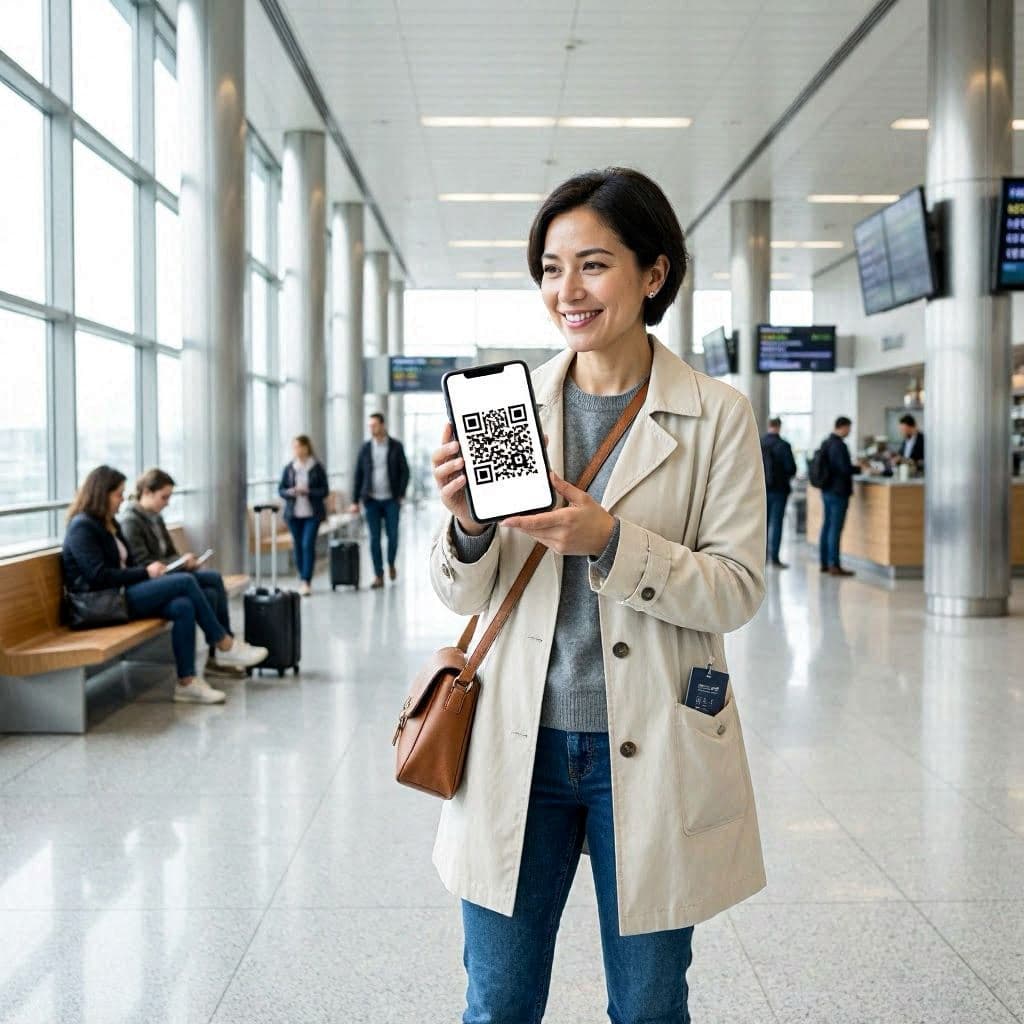
There is a particular ritual to arriving in a new country, a moment of transition marked by the scratch of a pen on paper and the quiet anticipation of border control. For decades, the incoming passenger card has been a tangible symbol of this threshold, a small form that bridges the gap between journey and destination. Now, that ritual is evolving. Australia is expanding its digital arrival card system, replacing the familiar blue slips with sleek, screen-based declarations. This shift is not merely a technological upgrade but a reflection of a world increasingly comfortable with seamless, paperless interactions. It invites us to consider how efficiency can enhance the experience of travel without diminishing its significance.
Body: The digital incoming passenger card, part of the Australia Travel Declaration pilot, has already seen success on select flights into Sydney and Brisbane. The recent expansion to Melbourne-bound travelers marks a significant step toward nationwide adoption. By allowing passengers to complete their details before landing, the system aims to reduce congestion at airports and streamline the entry process. For travelers, it means one less thing to worry about during the final moments of a long flight, freeing up mental space for the excitement of arrival.
The move aligns with global trends in border management, where speed and security are paramount. Digital systems allow for better data integration and risk assessment, enabling authorities to focus resources where they are most needed. For the average traveler, however, the benefit is simplicity. No more hunting for a pen or worrying about legibility; just a few taps on a smartphone or tablet, and the formalities are handled. It is a small convenience that adds up to a smoother journey.
Critics might argue that the loss of the physical card removes a tactile memory of travel, a souvenir of sorts from the journey. Yet, the digital format offers its own advantages, such as the ability to save information for future trips and receive real-time updates on health or security requirements. It represents a modernization of the travel experience, adapting to the habits of a digitally native generation while maintaining the rigorous standards of border protection.
The rollout has been gradual, allowing for testing and refinement. Initial phases focused on specific airlines and routes, ensuring that the technology was robust before wider implementation. This cautious approach reflects a commitment to reliability, recognizing that any disruption at the border can have significant ripple effects. As the system expands, feedback from users will continue to shape its development, ensuring it meets the needs of both travelers and officials.
For international visitors, the change signals Australia’s openness to innovation and its desire to be a welcoming, efficient destination. In a competitive global tourism market, ease of entry is a key factor. By removing friction from the arrival process, Australia enhances its appeal, making the first impression one of smoothness and modernity. It is a subtle but powerful message to the world.
However, the transition also requires inclusivity. Not all travelers are equally comfortable with digital tools, and provisions must remain for those who prefer or require paper forms. Ensuring that the system is accessible to everyone, regardless of age or tech-savviness, is crucial for maintaining fairness. The goal is to enhance the experience for all, not to exclude those who move at a different pace.
Closing: In the end, the shift to digital arrival cards is a natural progression in the story of travel. It honors the past by improving upon it, offering a faster, cleaner way to cross borders. As the blue slips fade into memory, the digital declaration stands as a testament to our ability to adapt and innovate, making the journey home—or to a new adventure—a little bit easier for everyone.
AI Image Disclaimer: Please note that any accompanying visuals for this narrative are artificially generated interpretations meant to evoke the spirit of the story, not documentary evidence.
Sources: Australian Border Force Department of Home Affairs Sky News Australia
Published by Banx Network. This article is part of the Banx decentralized media programme, powered by the BXE token on the XRP Ledger.