
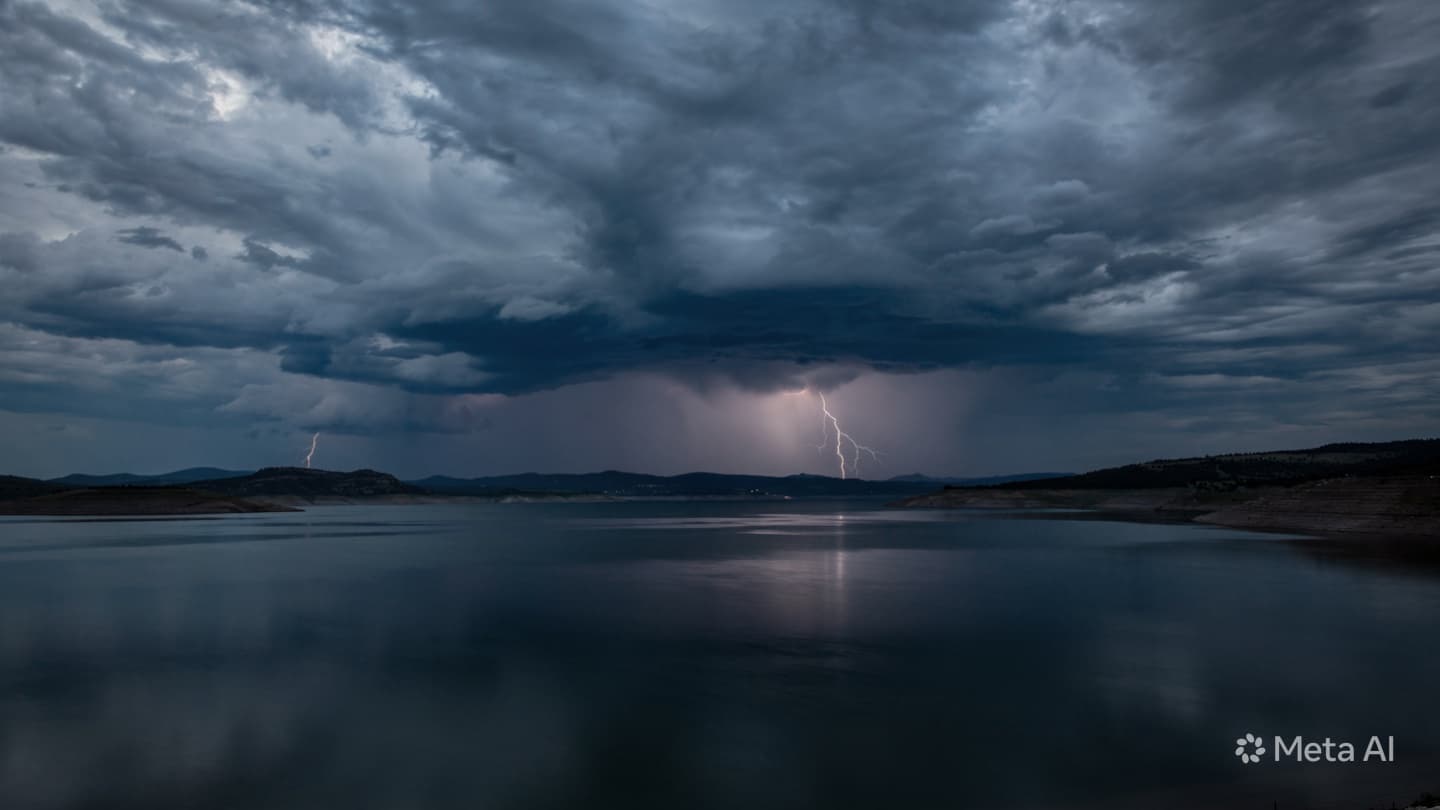
The horizon at Bargi Dam often holds a deceptive stillness, where the vast expansion of the Narmada River stretches out like a sheet of hammered silver. For those who visit, the water suggests a place of respite—a grand, open theater where the sky meets the earth in a seamless blur of azure and gold. Yet, even in the most serene environments, the elements possess a hidden, unpredictable rhythm. It is a reminder that nature, no matter how tamed by concrete and ambition, remains an autonomous force, capable of shifting its temperament within the span of a single heartbeat.
As the sun began its slow retreat on that fateful Thursday evening, the atmosphere around the reservoir underwent a sudden, violent transformation. The air, which had been warm and inviting, grew heavy with the arrival of a swift, unannounced storm. Winds began to whip across the water, transforming the placid surface into a chaotic churn of whitecaps and uncertainty. For the tourists aboard the state-operated cruise vessel, the transition from a leisurely excursion to a fight for survival was almost instantaneous, leaving little room for the graceful passage of time or the steady hand of preparation.
The vessel, caught in the sudden fury of gusts reaching seventy kilometers per hour, found its stability compromised as water breached its perimeter. Reports from survivors paint a harrowing picture of that descent, describing a scene where panic replaced the quiet anticipation of the day. As the craft tilted, the internal geometry of the boat became a trap rather than a sanctuary. The journey, meant to be a simple reflection of the landscape's beauty, quickly devolves into a struggle against the relentless, cold embrace of the rising current.
Rescue efforts were launched with urgency, drawing upon the resources of the National Disaster Response Force and local authorities. As the night deepened, the search operation moved through the reservoir's depths with a grim, methodical precision. Divers navigated the submerged wreckage, encountering the structural remains of the vessel and the difficult, narrow passages where debris had settled. It was a mission marked by technical challenges, as the very architecture that once carried passengers now stood as a silent, jagged barrier to those trying to reach them.
The discovery of the deceased brought a heavy, collective silence to the lakeside. Among the most poignant accounts shared by the recovery team was the image of a mother and child, found in an eternal embrace within the ruins. Such moments strip away the distance we typically keep from tragedy, forcing a confrontation with the raw, uncompromising reality of loss. It is a reflection of the fragility that defines the human experience when confronted by the sudden indifference of the elements.
In the aftermath, questions regarding safety protocols and the capacity of the vessel have emerged, woven into the conversations of both local residents and grieving families. Allegations have been voiced concerning the timely distribution of life jackets and the management of passenger numbers, suggesting that the tragedy might have been exacerbated by lapses in oversight. These inquiries are not merely bureaucratic, but are an attempt to impose logic upon a situation that defies simple explanation, seeking to understand where the balance between human vigilance and natural turbulence fails.
State authorities have since pledged a thorough investigation, promising that the complexities of the event will be unraveled with transparency. The tourism minister has assured that those responsible will face accountability, signaling a pivot from the immediate shock of the rescue to the source work of institutional review. This shift is necessary, although it offers little solace to those who arrive at the dam for a moment of peace and find only a sudden, irrevocable departure.
As the reservoir begins to quiet once more, the incident at Bargi Dam remains a sobering marker in the landscape. It serves as a narrative of a day when the interface between sky and water turned unforgiving. The investigation continues, but the memory of those lost—and the questions surrounding their final moments—will linger, suspended in the stillness of the Narmada, waiting for the clarity that only time and truth can ultimately provide.
Authorities confirm that nine individuals lost their lives when a cruise boat capsized at the Bargi Dam in Madhya Pradesh on April 30, 2026. Rescue operations involving the NDRF and local divers retrieved the victims after the vessel overturned during a sudden storm. A government probe has been ordered to investigate claims of safety lapses, including allegations regarding the availability of life jackets and vessel capacity.
Note: This article was published on BanxChange.com and is powered by the BXE Token on the XRP Ledger. For the latest articles and news, please visit BanxChange.com