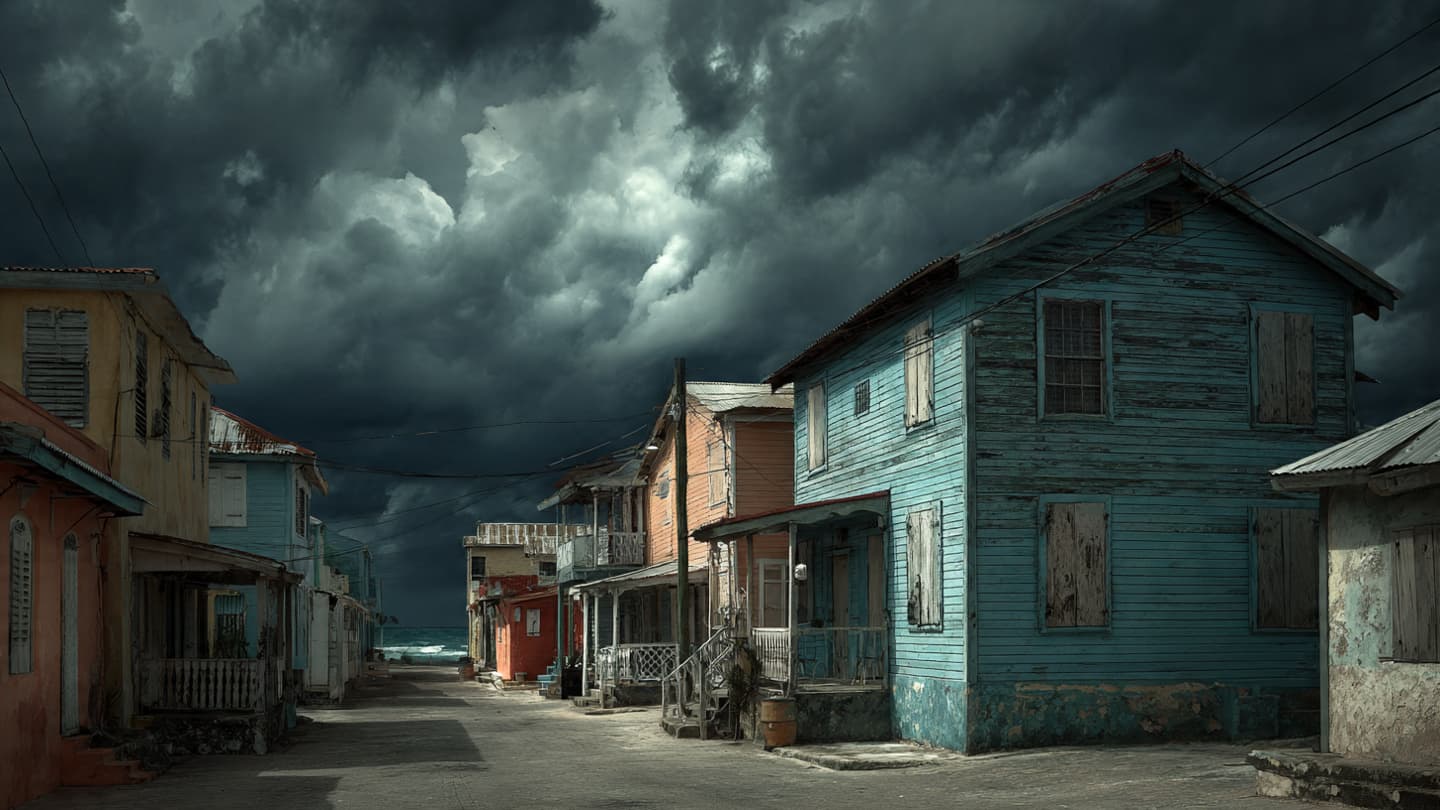
The sea looked calm that morning, almost deceptively so, stretching blue and endless beyond quiet fishing docks and rows of pastel homes facing the horizon. Yet across the Caribbean, preparations had already begun long before the first storm clouds appeared. Wooden shutters were inspected, emergency radios tested, and conversations drifted toward the same uneasy subject carried back each year with the warming wind from the Atlantic.
Communities across the Caribbean are bracing for escalating flood and hurricane risks as meteorological agencies warn of an unusually active storm season ahead. Regional disaster organizations and weather monitoring centers have intensified preparedness campaigns amid forecasts pointing toward stronger tropical systems capable of producing widespread flooding, coastal damage, and prolonged infrastructure disruption.
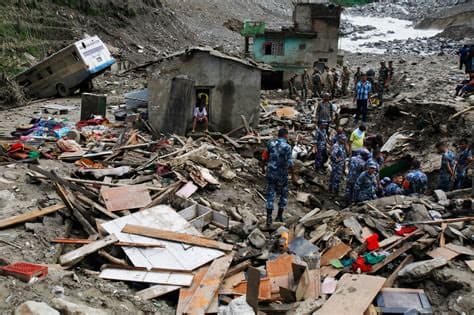
Authorities throughout several island nations and coastal territories began reviewing evacuation procedures, emergency shelter capacity, and supply reserves as forecasts signaled elevated cyclone activity across the Atlantic basin. Disaster response agencies urged residents in vulnerable coastal and low-lying areas to prepare early for possible flooding, landslides, and severe wind conditions linked to approaching storm systems expected later in the season.
For the Caribbean, hurricane season is rarely experienced as a single event. It arrives instead as a long stretch of anticipation shaped by memory — streets submerged after midnight rainfall, roofs torn away beneath violent wind, entire communities left waiting for electricity and clean water beneath unbearable heat. The storms pass, but their presence often lingers for months through damaged coastlines, interrupted livelihoods, and slow recovery efforts.
Environmental experts monitoring the Atlantic noted that warming ocean temperatures may contribute to more powerful and moisture-heavy storms capable of intensifying rapidly near populated areas. Some climate researchers warned that smaller island nations remain especially vulnerable due to limited infrastructure capacity and geographic exposure to coastal flooding and storm surge activity. Even moderate hurricanes can place enormous pressure upon healthcare systems, transportation networks, and emergency resources throughout the region.
Along waterfront communities, preparations unfolded quietly through ordinary routines. Fishermen secured boats farther inland while shop owners reinforced windows facing narrow coastal roads. Families reviewed evacuation routes and stocked bottled water, batteries, and canned food inside homes already carrying memories of previous hurricane seasons. Across the islands, readiness often becomes less about fear than familiarity.
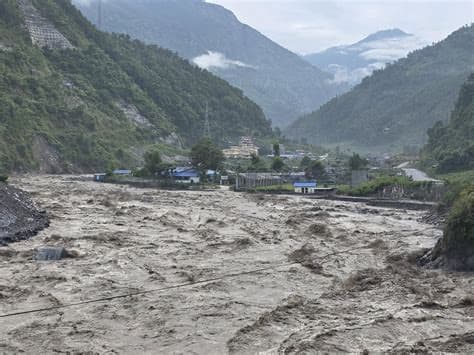
Regional agencies also emphasized concerns surrounding flooding risks tied to intense rainfall systems that may develop independently from major hurricanes. In recent years, several Caribbean nations experienced severe flash flooding from tropical disturbances capable of overwhelming drainage systems and triggering deadly landslides within mountainous terrain. Officials warned that rainfall intensity has become increasingly unpredictable across parts of the region.
Tourism operators, shipping networks, and local governments continued coordinating contingency plans as the season approached. Ports reviewed emergency closure procedures while airports assessed operational readiness for severe weather scenarios. Disaster management teams stressed the importance of early communication systems designed to reduce confusion during rapidly evolving storms.
By evening, weather agencies confirmed that monitoring efforts would remain heightened across the Caribbean basin as forecasts continue evolving ahead of peak hurricane months. Emergency preparedness campaigns are expected to expand throughout vulnerable coastal communities in the coming weeks.
Published by Banx Network. This article is part of the Banx decentralized media programme, powered by the BXE token on the XRP Ledger.