Although maintenance issues were described as “inevitable,” former nuclear submarine captain Ryan Ramsey argued they are a symptom of a larger problem. He linked the current shortfall in submarine availability to defence infrastructure and the wider national effort required to restore submarine capability rapidly.
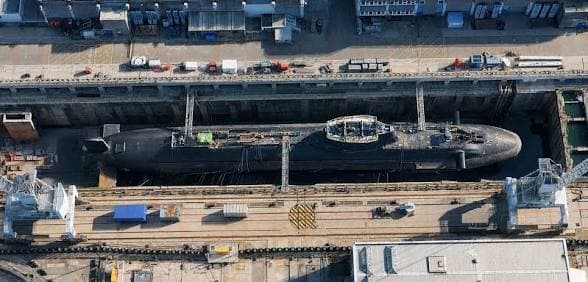
Ramsey noted that having the entire Astute-class fleet docked simultaneously significantly reduces the UK’s ability to operate worldwide and maintain a continuous presence in areas such as the North Atlantic. He said the UK could mitigate this only to a degree by leaning on other platforms such as towed-array frigates and P-8 maritime patrol aircraft, which he said are limited in number.
He also discussed concerns—raised in reporting—that the lack of submarine presence could leave undersea infrastructure, including cables and energy assets, more vulnerable to hybrid warfare activity. While acknowledging that vulnerability, Ramsey said that as a NATO member, some undersea capability would be provided by other submarine-operating nations while the maintenance period runs its course.
Ramsey argued the deeper issue is the planning assumptions made earlier about the sufficiency of maintaining a small number of attack submarines alongside the ballistic missile submarine fleet. He said warfighting effectiveness requires “lots of units,” and suggested that underwater autonomous vehicles could be one possible near-term way to help—though he indicated they may not be a solution in the immediate term.
The article says all of this sits under the submarine maintenance recovery plan, a 100-day directive ordered by the First Sea Lord, General Sir Gwyn Jenkins, intended to address chronic maintenance delays and ensure war-fighting readiness.
Ramsey said major maintenance campaigns are not unprecedented, recalling periods in the late 1990s and earlier in the 2010s when availability at sea was affected due to fleet-wide defects or rectification work. However, he said the current context is different because of how low the number of submarines available is at present, alongside an increasingly dangerous world environment and rising Russian activity.
He identified limiting factors as infrastructure capacity and workforce capability—such as limited dry dock availability, limited personnel with the needed skills, and limited simulators required to ensure crews remain ready for deployment. Because the submarines require the same broad set of maintenance work, he argued the recovery effort would place heavy load on the organizations tasked with delivering the repairs on time.
Published by Banx Network. This article is part of the Banx decentralized media programme, powered by the BXE token on the XRP Ledger.