Scientific discoveries often emerge not from dramatic breakthroughs alone, but from careful observation of details that quietly shape the larger picture. Among those details, methane has become one of the most closely studied greenhouse gases, as researchers continue examining how even relatively small leaks can have significant consequences for the climate system over time.
A recent scientific analysis examining the United States' energy transition highlights methane leakage as one of the most influential factors affecting near-term greenhouse gas emissions. The study concludes that reducing emissions from methane leaks across the energy sector could substantially lower the country's climate impact while complementing broader efforts to modernize electricity generation and transportation.
Methane is released from a variety of sources, including oil and natural gas production, agriculture, and landfills. Although it remains in the atmosphere for a much shorter period than carbon dioxide, methane is considerably more effective at trapping heat during its lifetime. Because of this characteristic, scientists increasingly regard methane reduction as one of the fastest available pathways for slowing the pace of near-term warming.
Researchers found that uncertainty surrounding methane leakage rates can significantly influence estimates of future emissions and the effectiveness of climate policies. The study suggests that improved monitoring technologies and faster detection of leaks could strengthen emissions reduction efforts while helping operators reduce the loss of valuable natural gas.
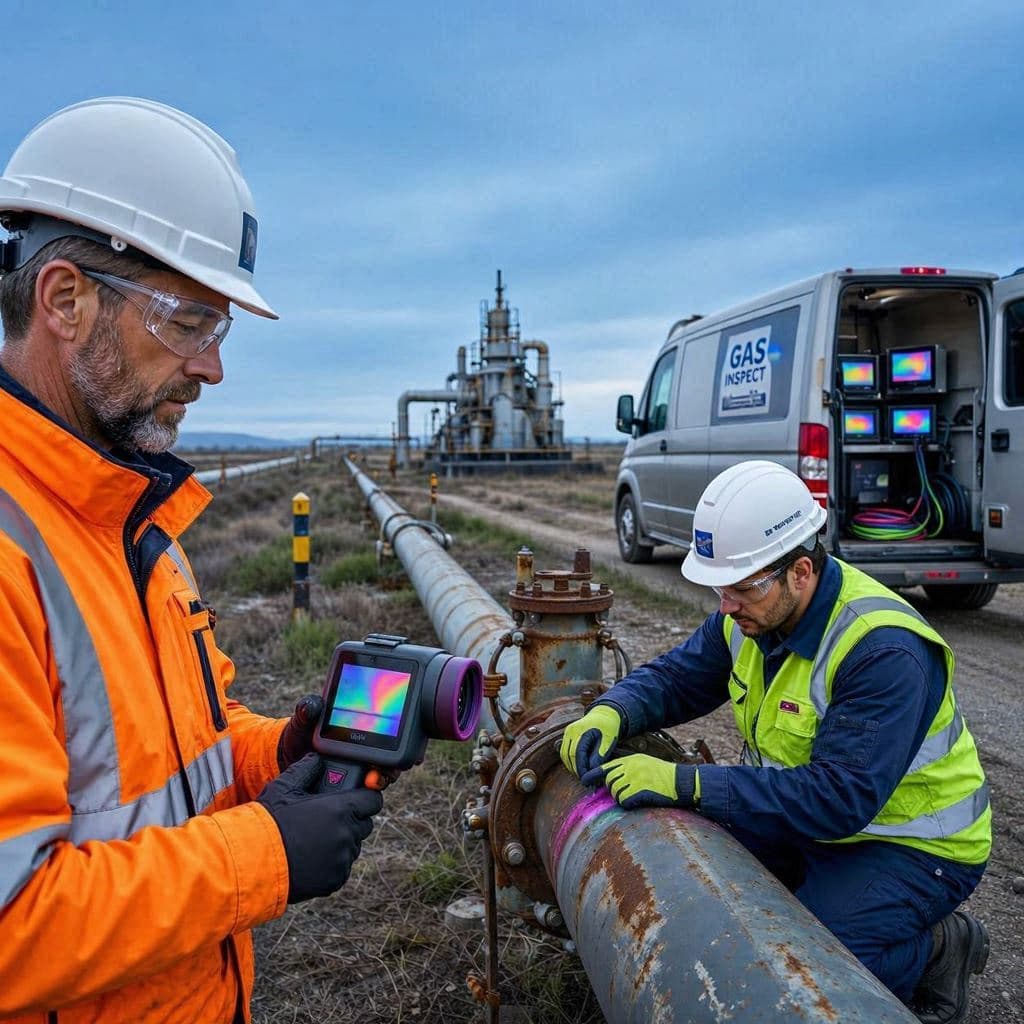
Advances in satellite observations, airborne sensors, and ground-based monitoring have expanded the ability of scientists and regulators to identify methane emissions more accurately than in previous years. These technologies allow large leaks to be detected more quickly, enabling corrective action before emissions accumulate over extended periods.
The research also emphasizes that methane mitigation should be viewed alongside broader energy system improvements. Expanding clean electricity, improving energy efficiency, and increasing electrification of transportation and buildings can work together with methane reduction strategies to produce larger overall emissions reductions.
Energy experts note that limiting methane emissions can also provide economic benefits by reducing product losses throughout the natural gas supply chain. For producers and utilities, preventing unnecessary leakage may improve operational efficiency while supporting environmental objectives that are increasingly important for investors, regulators, and consumers.
As scientists continue refining climate models and emissions measurements, methane is expected to remain an important focus of research and public policy. While no single measure can address climate change on its own, the growing body of evidence suggests that reducing methane emissions represents one of the most immediate opportunities to lower greenhouse gas emissions while supporting a broader transition toward a more resilient energy system.
AI Image Disclaimer: The accompanying images are AI-generated visual interpretations intended to illustrate the topic and do not depict actual scientific observations.
Source Verification Check: arXiv (research preprint), U.S. Department of Energy, Reuters
Published by Banx Network. This article is part of the Banx decentralized media programme, powered by the BXE token on the XRP Ledger.