The oldest stories known to humanity were written in the stars long before people learned to record history. Every galaxy scattered across the night sky carries a chapter of the universe's past, preserving clues about events that unfolded billions of years ago. A new scientific study is helping researchers understand how some of the earliest galaxies formed during the young stages of the cosmos.
Astronomers analyzed observational data collected by advanced telescopes to investigate the structure and evolution of ancient galaxies. These observations provide valuable information about conditions that existed relatively soon after the Big Bang and contribute to broader theories of cosmic development.
Galaxies are vast systems containing stars, gas, dust, and dark matter. Their formation involves complex interactions between gravity, cosmic matter, and energy over immense periods of time. Understanding these processes remains one of astronomy's major scientific goals.
Modern telescopes have dramatically improved scientists' ability to observe distant objects. Because light takes time to travel through space, viewing extremely distant galaxies allows astronomers to look back into the early history of the universe.
The latest research suggests that galaxy formation may have involved dynamic processes that shaped their growth and internal structures. Scientists continue comparing observational evidence with computer simulations to improve theoretical models of cosmic evolution.
Dark matter remains an important part of these investigations. Although it cannot be observed directly, researchers believe it influences the formation and distribution of galaxies through its gravitational effects on visible matter.
International scientific collaboration supports these discoveries. Space agencies, research institutions, and observatories combine resources and expertise to analyze enormous amounts of astronomical data collected from ground-based and space-based instruments.
The study of galaxy formation also helps scientists understand the origins of stars, planetary systems, and the chemical elements necessary for life. Each discovery contributes to a more detailed picture of how the universe developed over billions of years.
The latest findings remind us that the universe remains an active field of exploration. As observational technology continues to improve, astronomers expect to uncover even more information about the earliest chapters of cosmic history.
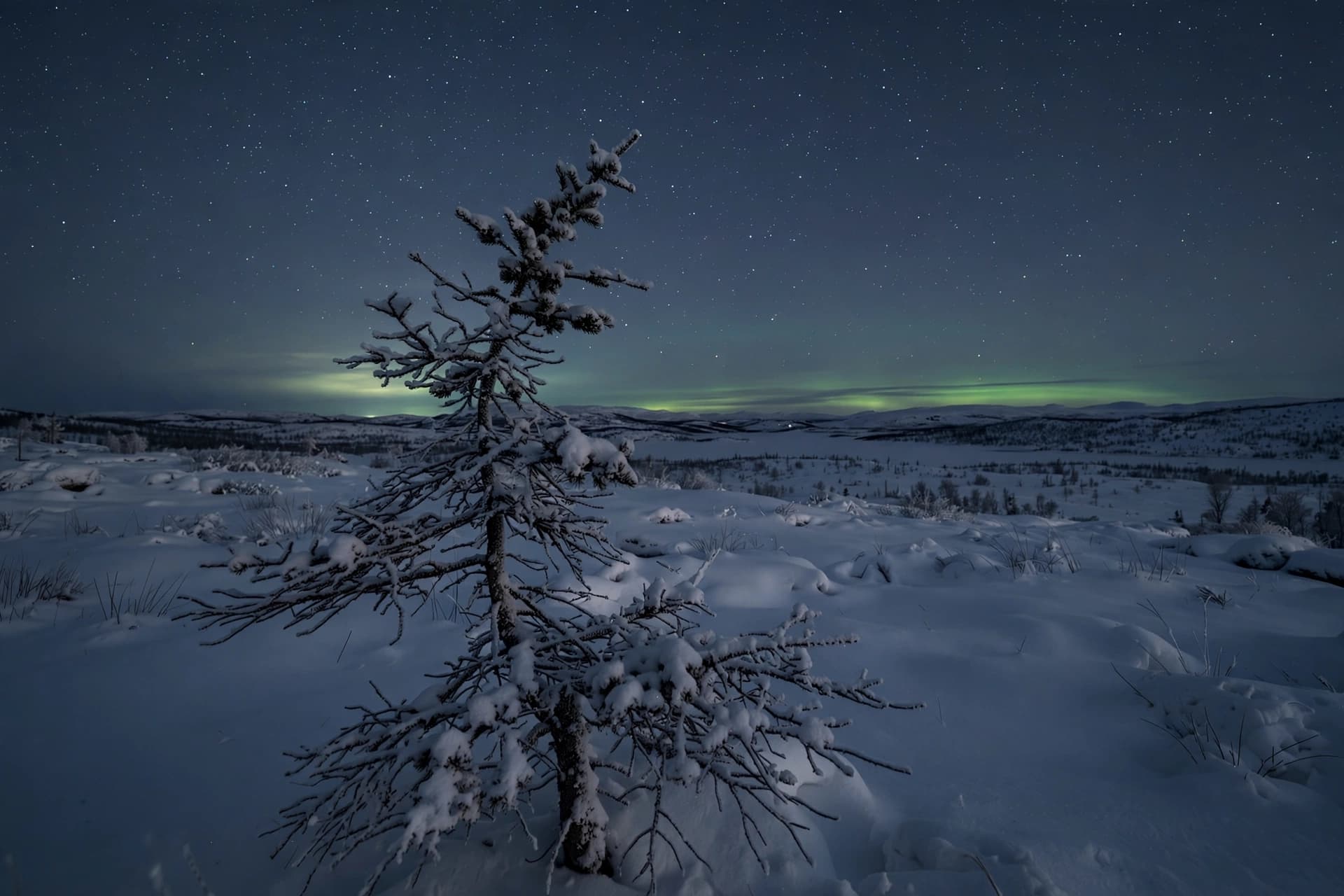
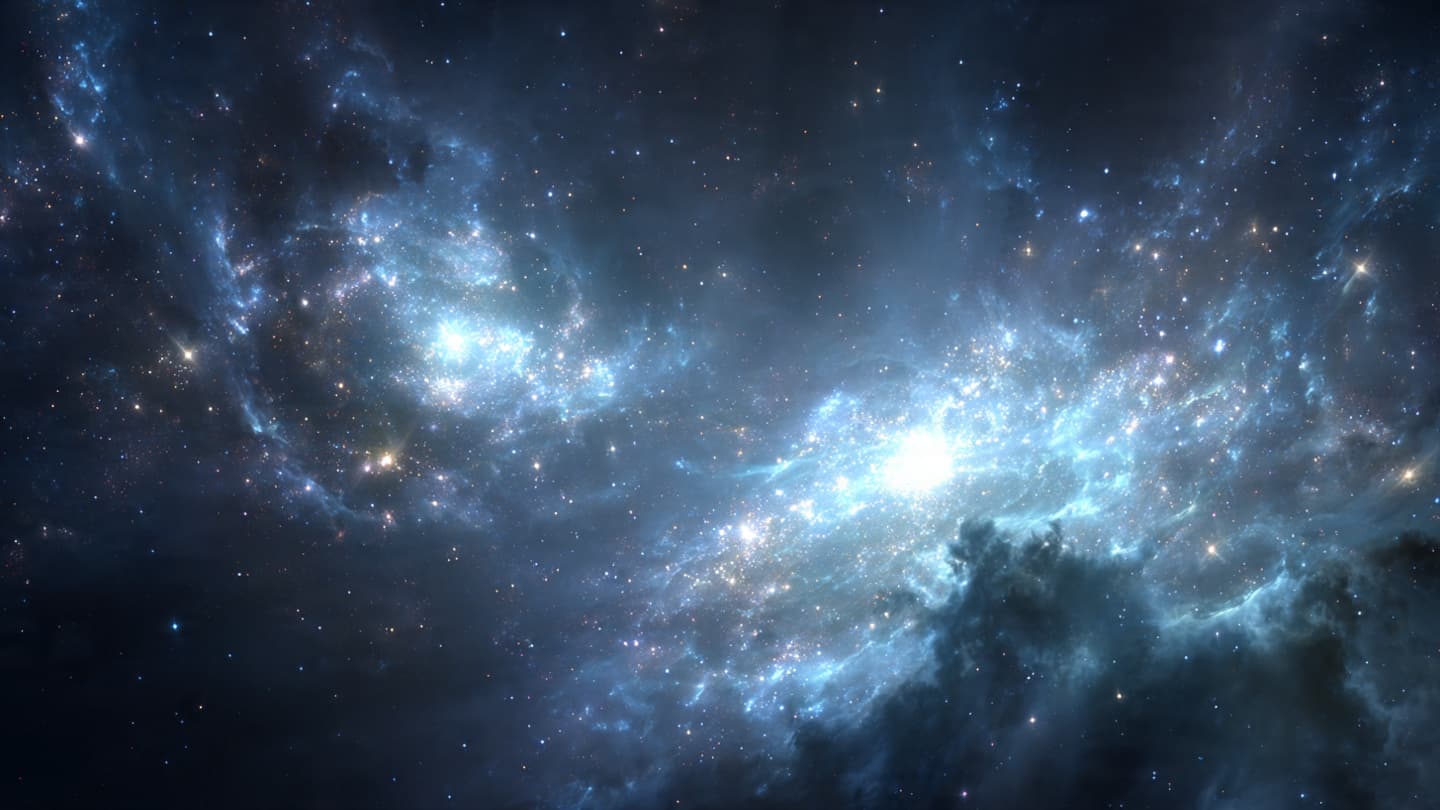
AI Image Disclaimer: The illustrations associated with this article are AI-generated artistic concepts for editorial use.
Sources Verified: European Space Agency, Nature, Reuters, NASA.
Published by Banx Network. This article is part of the Banx decentralized media programme, powered by the BXE token on the XRP Ledger.