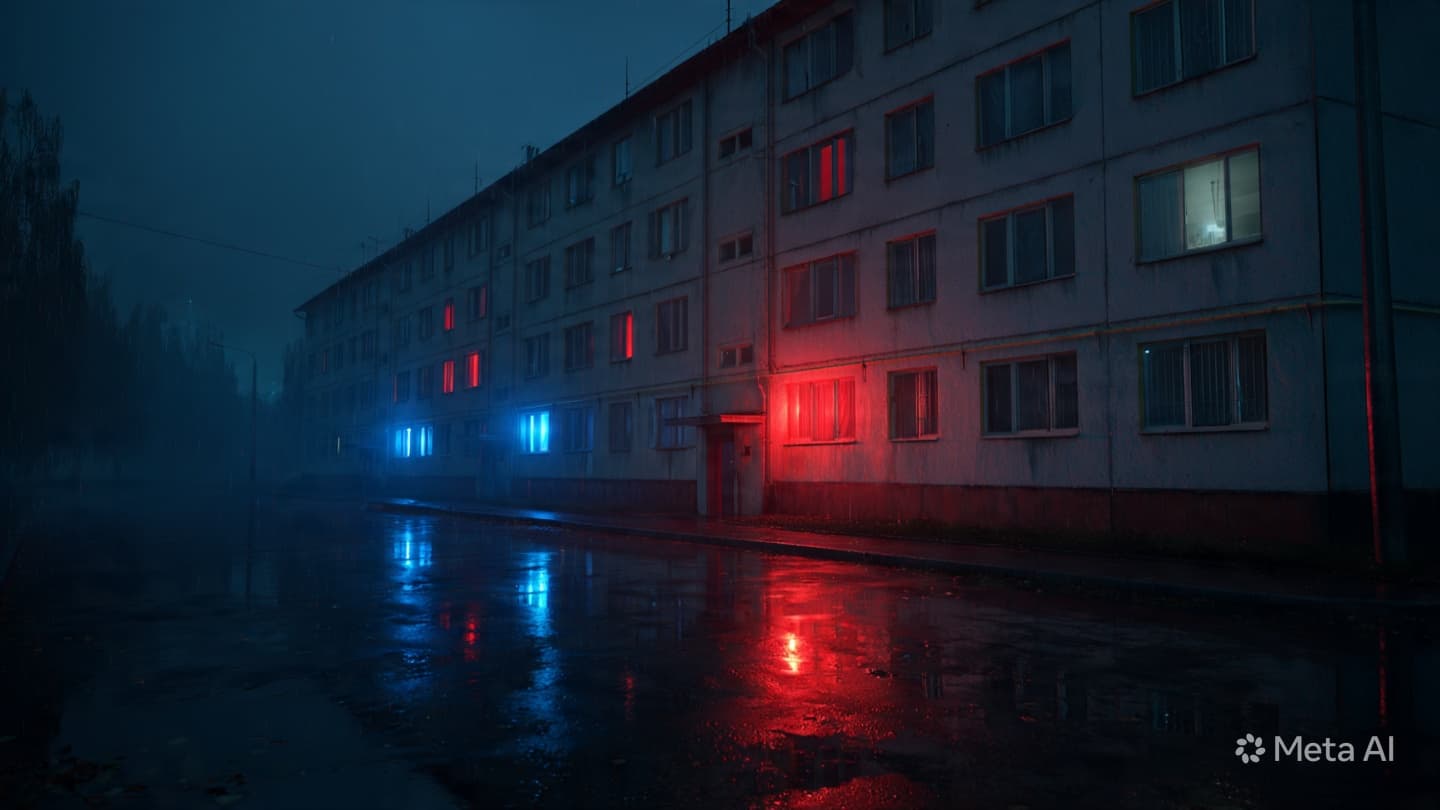
The rhythm of a neighborhood at night is usually defined by the soft hum of cooling air conditioners and the muffled sounds of rest. In the dense residential quarters of Mangaf, where the architecture is often a dense tapestry of homes and shared quarters, the air carries the weight of many lives living in close proximity. When a fire breaks out in such an environment, the transition from the mundane to the catastrophic is terrifyingly swift. The flames do not respect the borders of a room or the sanctity of a person's private space; they simply expand, consuming the oxygen and the history of those trapped within the rising heat.
There is a profound, lingering silence that follows the roar of a blaze, a vacuum left behind where life once pulsed with the quiet dreams of foreign workers. We are left to contemplate the fragility of our living arrangements, particularly for those who serve as the backbone of our cities. The building, charred and hollowed by the intensity of the event, stands as a stark monument to the vulnerability of the laborers who reside in the interstices of our industrial landscape. It is a moment to look beyond the headlines and recognize the deep, human tragedy of lives cut short far from home.
We observe the aftermath with a sense of restrained sorrow, watching as the smoke clears to reveal the structural ruin and the empty spaces where individuals once slept. The tragedy in Mangaf serves as a painful reminder that the spaces we inhabit are more than just concrete and steel; they are vessels for the hopes and fears of those who dwell within. The loss of four souls is a heavy weight that settles over the entire community, prompting a reflection on the standards we set for the housing and protection of all residents, regardless of their origin or status.
In the reflective hours that follow, one finds themselves wondering about the stories that ended in that sudden, suffocating darkness. The narrative of the fire is one of urgency and desperation, a stark contrast to the expected routine of a life in transition. We are invited to hold space for the families who must now reckon with an absence that feels both immense and, in the clinical terms of news reporting, far too small. The city continues its rotation, indifferent to the personal devastation, yet those who look closely can see the fracture that has occurred in the social fabric.
As the authorities begin their investigation, the focus will inevitably turn to safety protocols, building codes, and the responsibilities of property owners. These are necessary, analytical steps, yet they fail to capture the essence of the human experience that was irrevocably altered by the fire. We must move forward with a commitment to ensuring that our urban environments are not merely places of utility, but sanctuaries of genuine safety. The memory of those lost in Mangaf remains a call to conscience, a reminder that the true strength of a city is measured by how well it protects the most vulnerable among its inhabitants.
Official reports from Kuwait confirm that a massive fire engulfed a multi-story residential building in Mangaf, resulting in the tragic deaths of four foreign workers and leaving dozens of others injured. Emergency responders were mobilized to the scene to conduct rescue operations and extinguish the flames, which had spread rapidly through the structure. The injured have been transported to regional hospitals for intensive care. The local fire department and municipal authorities have launched an exhaustive investigation into the origin of the blaze, with a focus on potential violations of safety and occupancy regulations.
Published by Banx Network. This article is part of the Banx decentralized media programme, powered by the BXE token on the XRP Ledger.