When the earth shifts beneath a nation, time seems to stretch in unusual ways. The first moments after a tremor are often filled with quiet uncertainty, where familiar streets become places of cautious footsteps and ordinary routines pause to listen for what comes next. In those fragile hours, every decision carries a weight measured not only in minutes but in reassurance.
Recent accounts from sources familiar with Venezuela's emergency response suggest that following a series of earthquakes, the country's military reaction unfolded more slowly than many had expected. Delayed orders and uncertainty within command structures reportedly complicated the early stages of deployment, leaving some units waiting for formal instructions while local communities began assessing the damage around them.
Earthquakes rarely arrive with warning, and their aftermath demands coordination across many institutions. Emergency responders, local authorities, medical teams, engineers, and military personnel must often move simultaneously despite limited information. The first reports are frequently incomplete, communications can become unreliable, and the scale of destruction may remain unclear until daylight or aerial surveys reveal the broader picture.
According to people familiar with the response, some military units experienced delays as command decisions moved through multiple layers of authorization. In several areas, uncertainty over responsibilities reportedly slowed the movement of personnel and equipment intended to support rescue operations, infrastructure assessments, and humanitarian assistance. While local emergency workers continued their efforts, the anticipated military presence took longer to materialize.
The challenges highlighted by the response are not unique to any single country. Around the world, natural disasters test the resilience of institutions as much as the strength of buildings. Communication networks may become strained, transportation routes disrupted, and leadership confronted with rapidly changing conditions. Even well-prepared systems can encounter moments where information travels more slowly than events themselves.
Communities often become the first source of resilience during those early hours. Neighbors check on one another, volunteers help clear roads, and local officials gather fragments of information that gradually form a clearer understanding of what has happened. These small acts of cooperation frequently bridge the gap before larger national resources arrive.
Disaster specialists have long observed that effective emergency response depends not only on equipment or personnel but also on clear chains of communication. Timely decision-making allows resources to move where they are needed most, reducing uncertainty for both responders and residents. Lessons drawn from each emergency often shape future planning, helping institutions prepare for the next unexpected event.
Officials have continued evaluating the overall response while assessments of infrastructure and affected communities proceed. The reported delays have prompted discussion among observers about command procedures and emergency coordination, though authorities continue to emphasize ongoing recovery efforts and support for impacted regions.
As the ground gradually settles, attention turns from the moment of disruption to the quieter work of rebuilding. Roads are repaired, homes inspected, and daily routines slowly return. The reported confusion surrounding the military response may become part of a broader review of disaster preparedness, reminding many that resilience is built not only through strength, but through clarity, communication, and the ability to act together when the earth unexpectedly changes beneath our feet.
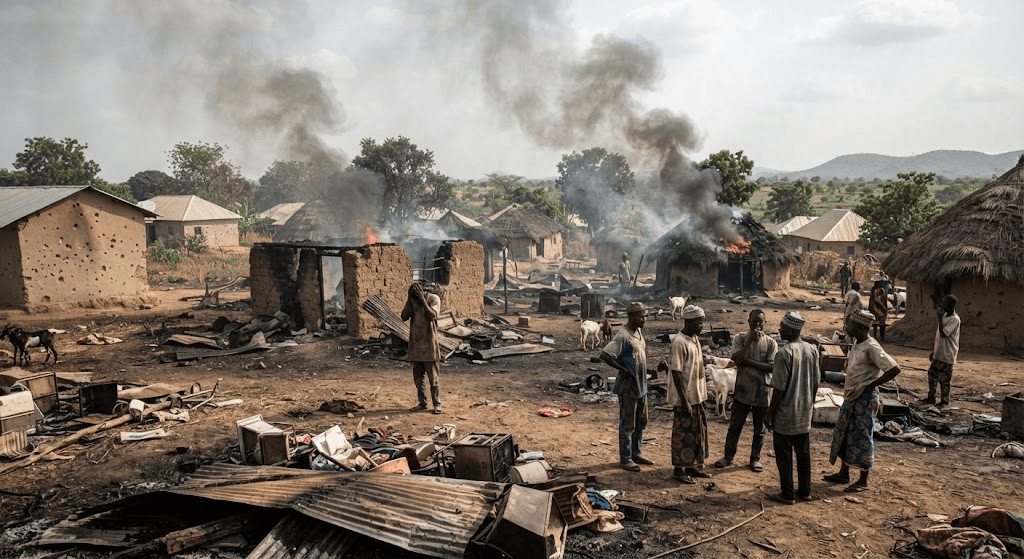
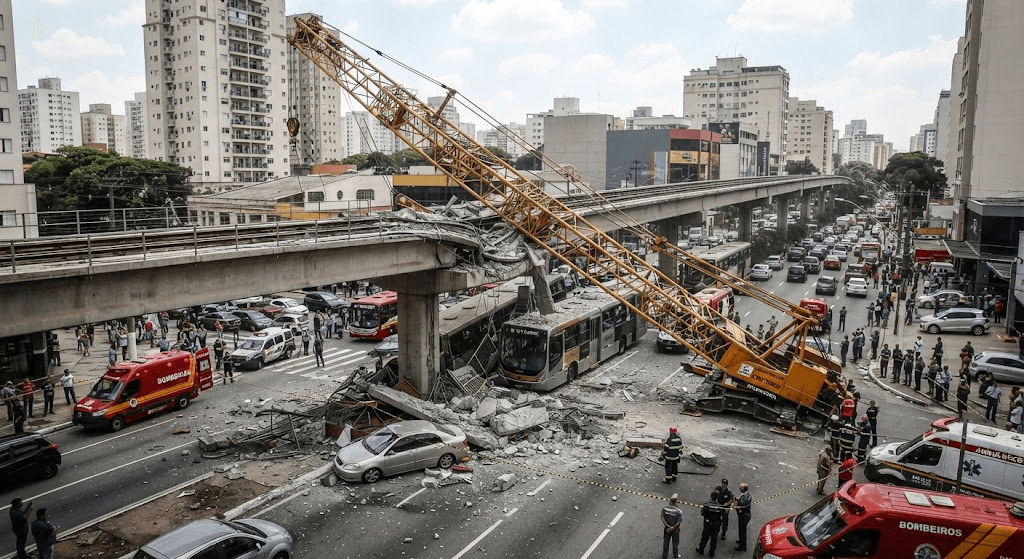
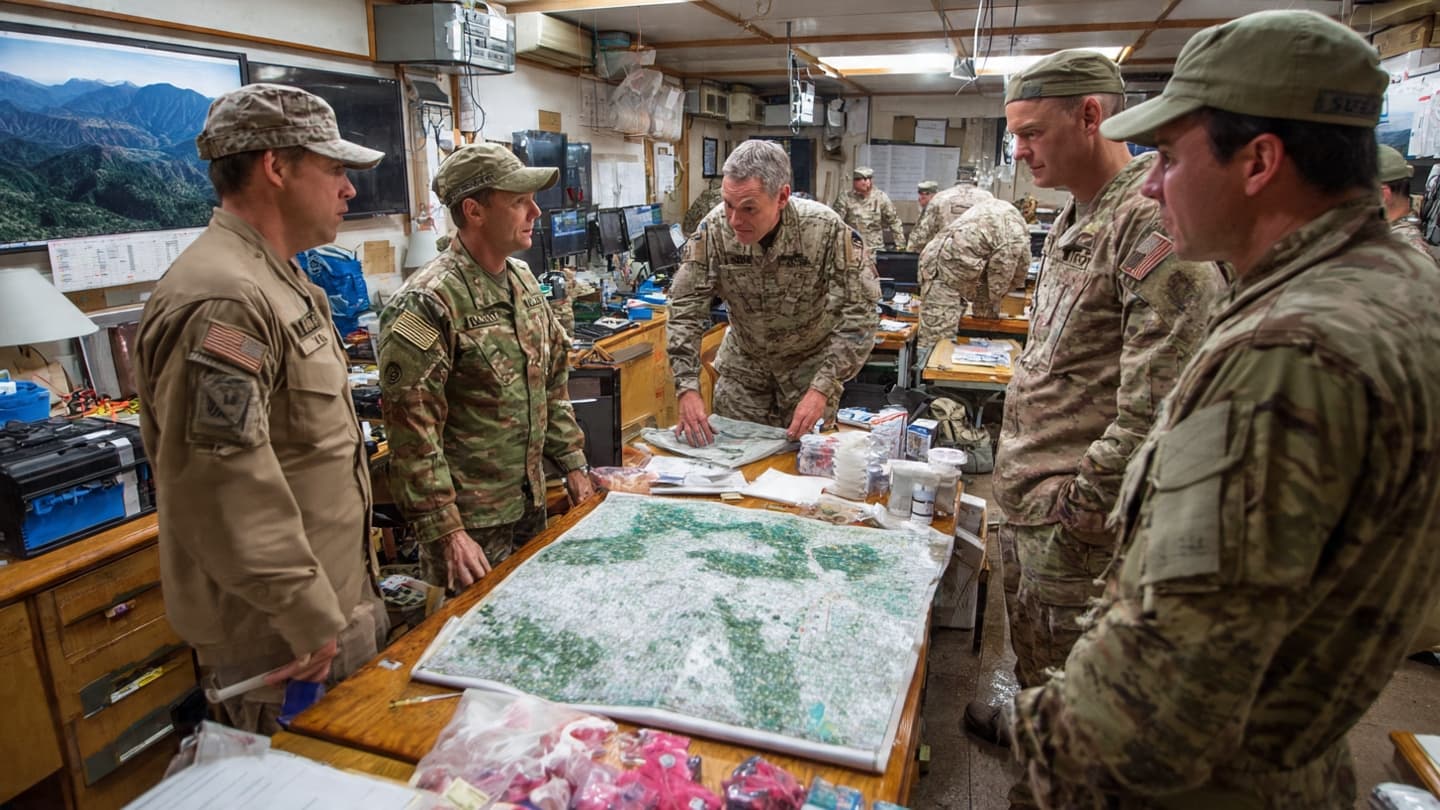
AI Image Disclaimer Visuals are AI-generated and serve as conceptual representations of the reported events.
Sources Reuters United States Geological Survey (USGS) International Federation of Red Cross and Red Crescent Societies (IFRC) United Nations Office for the Coordination of Humanitarian Affairs (OCHA) European-Mediterranean Seismological Centre (EMSC)
Published by Banx Network. This article is part of the Banx decentralized media programme, powered by the BXE token on the XRP Ledger.