

Key Highlights
- Earthquake Impact:Venezuela's northern coast faced devastating earthquakes, with La Guaira severely affected.
- Response Delays:Reports indicate significant delays in military deployment and operational confusion.
- Human Initiative:Many residents and volunteers began rescue efforts before military personnel arrived.
[Response Challenges]
When the earth falls silent after a violent tremor, the first hours often become the measure of a nation's resilience. In Venezuela, where powerful earthquakes left entire communities searching through shattered neighborhoods, those early moments have become the focus of renewed examination. Accounts from officials, witnesses, and people familiar with the response paint a picture of delayed decisions and operational confusion that hindered effective disaster management.
A Reuters investigation, citing multiple military, diplomatic, and government sources, reported that delayed deployment orders, uncertainty within the chain of command, and shortages of essential equipment slowed the military's response during the critical days following the June earthquakes. The earthquakes struck Venezuela's northern coast, with La Guaira among the hardest-hit areas. Government figures placed the death toll at around 5,000, while some experts suggested the final number could ultimately be significantly higher as rescue and recovery efforts continued.
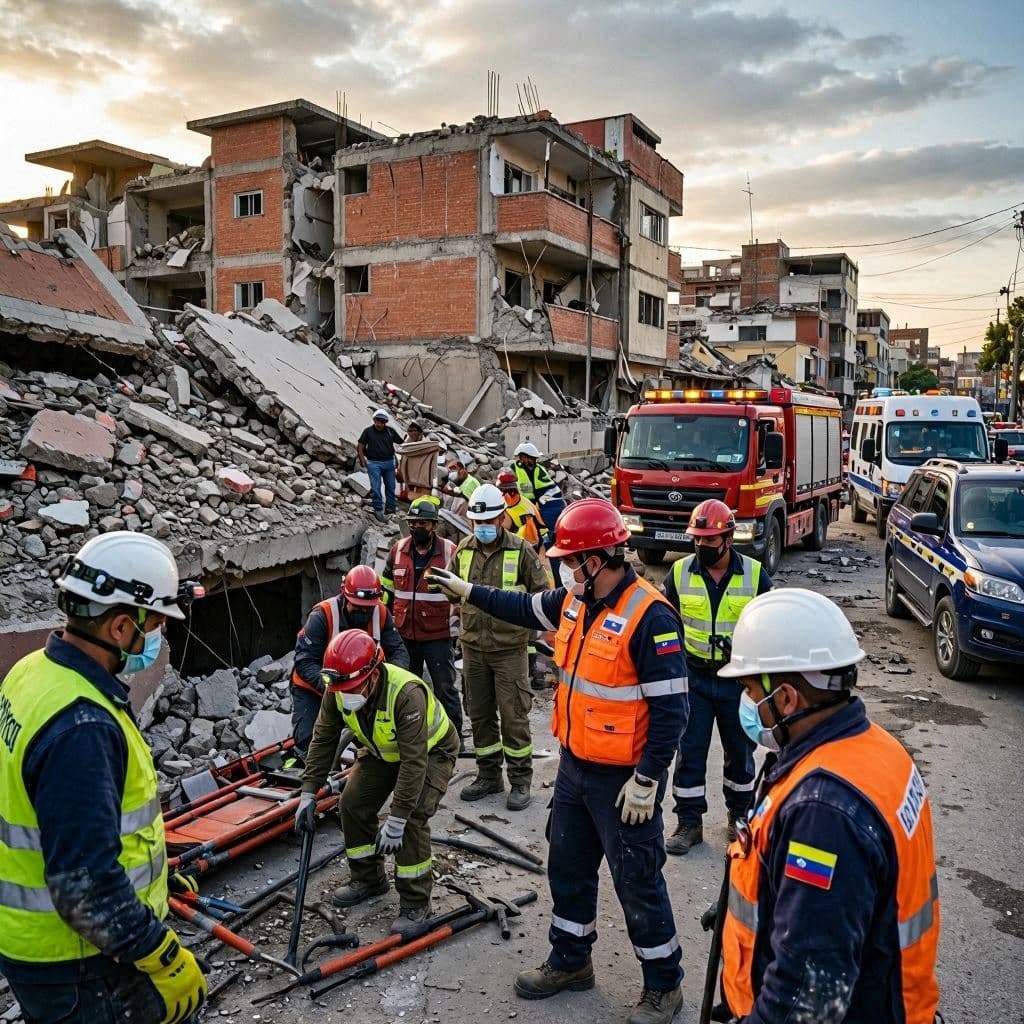
According to the report, many residents, volunteers, firefighters, and international rescue teams began search-and-rescue operations before large numbers of military personnel arrived. Some soldiers reportedly volunteered to assist before receiving formal deployment orders, reflecting both personal initiative and the challenges created by institutional delays. This grassroots response underscores the importance of community preparedness in the face of disaster.
Published by Banx Network. This article is part of the Banx decentralized media programme, powered by the BXE token on the XRP Ledger.




