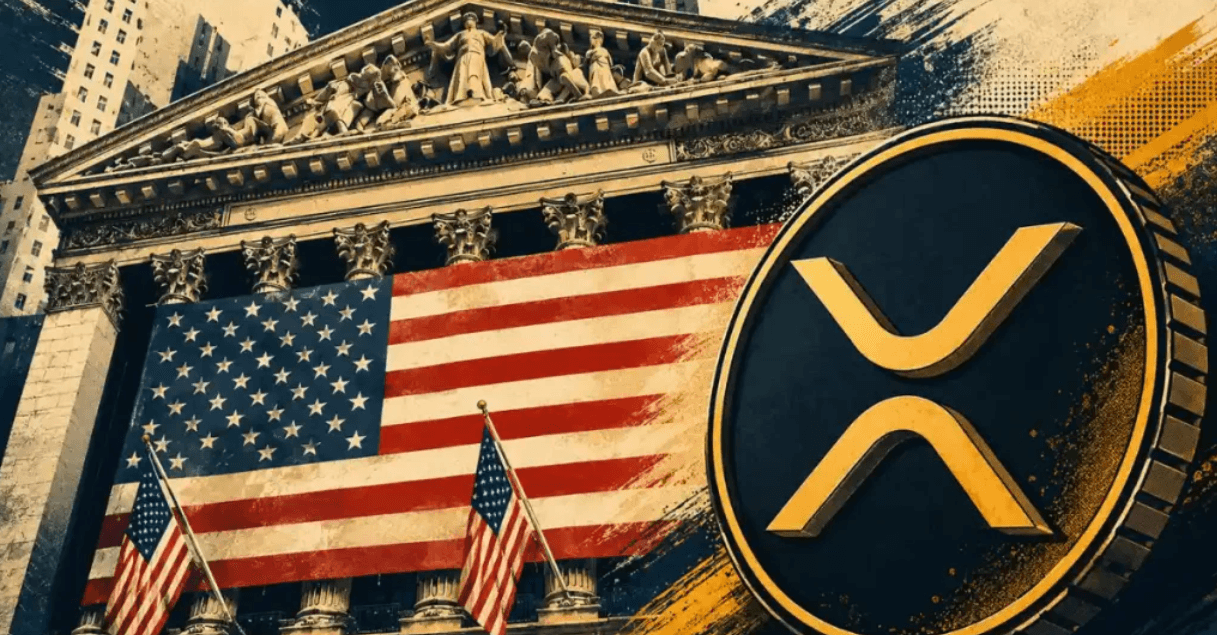
The Depository Trust & Clearing Corporation, commonly known as DTCC, is moving deeper into tokenization efforts aimed at transforming how financial markets operate. According to discussions surrounding its latest service developments, the organization plans to modernize decades of market infrastructure by significantly reducing inefficiencies across settlement and asset movement systems. DTCC plays a central role in the U.S. financial system by processing and settling securities transactions worth trillions of dollars. For decades, traditional financial markets have relied on complex processes involving intermediaries, delayed settlement periods, fragmented recordkeeping, and legacy systems. Tokenization aims to address many of these challenges by converting traditional assets into blockchain-based representations capable of near-instant movement and verification. Supporters of the initiative argue that tokenized systems could compress decades of outdated financial “plumbing” into significantly faster and more efficient operational structures. Instead of settlement periods taking multiple days, tokenized assets may enable near real-time transfers with transparent tracking and reduced counterparty risks. The discussion has generated strong interest across the digital asset sector, particularly among supporters of blockchain interoperability and institutional adoption. Many market participants view tokenization as one of the largest opportunities for distributed ledger technology because it could eventually bring stocks, bonds, real estate, and other financial products onto blockchain-connected ecosystems. The timing has also attracted attention because limited rollout phases are reportedly expected to begin in 2026. Early-stage deployments may focus on institutional participants before broader expansion across financial markets. Large-scale implementation would likely require extensive regulatory oversight, infrastructure testing, and integration with existing systems. For crypto investors, tokenization discussions often extend beyond traditional finance into broader digital asset ecosystems. Many believe networks focused on compliance, settlement speed, interoperability, and institutional-grade infrastructure could benefit from increasing adoption of tokenized financial systems. While expectations remain high, market observers continue watching for official updates, technical implementation plans, and regulatory developments before determining the true scale of disruption. If successful, tokenization could represent one of the most significant structural shifts in modern finance.
Published by Banx Network. This article is part of the Banx decentralized media programme, powered by the BXE token on the XRP Ledger.