

Key Highlights
- ASEAN leaders are concerned about economic impacts from global conflicts.
- Rising energy prices threaten inflation and production costs in Southeast Asia.
- Disruptions in trade routes could affect export-oriented industries.
In a deeply interconnected world, events unfolding thousands of miles away can quietly alter daily life in distant regions. A conflict in one corner of the globe may ripple through shipping lanes, financial markets, and household budgets elsewhere. This reality has prompted ASEAN leaders to call for a coordinated response to the economic consequences arising from ongoing tensions in the Middle East.
Regional officials expressed concern that prolonged instability could disrupt global supply chains and increase volatility in energy markets. Such developments could have significant implications for Southeast Asian economies, many of which depend heavily on international trade and imported energy resources. The ongoing conflicts have raised alarms about the potential for increased costs and economic instability across the region.
Energy prices remain one of the primary concerns. Rising oil prices often translate into higher transportation and production costs, placing additional pressure on inflation across the region. Governments are therefore closely monitoring market developments, as fluctuations in energy prices can have a cascading effect on various sectors, from manufacturing to consumer goods.
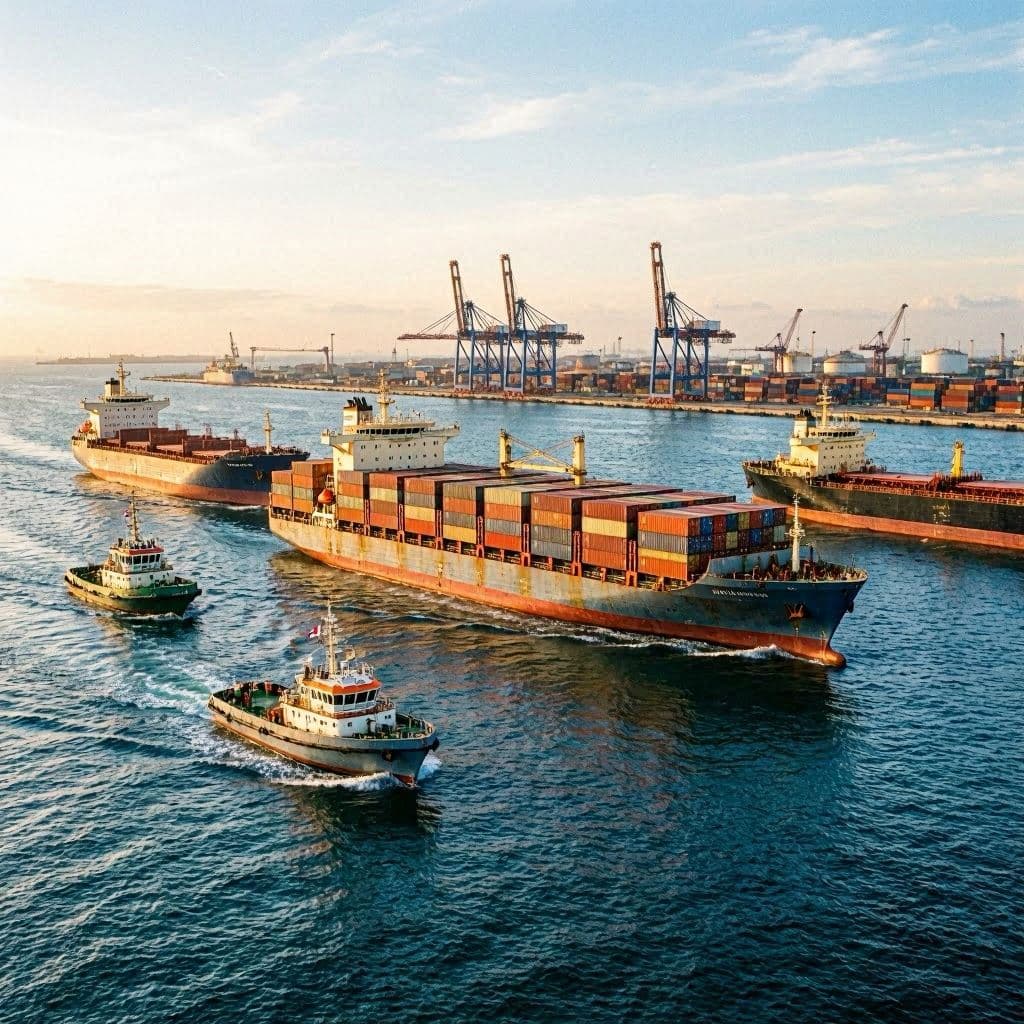
Trade routes are also under scrutiny. Any disruption to major shipping corridors could affect export-oriented industries throughout Southeast Asia, including manufacturing sectors that rely on stable and efficient global logistics networks. The interconnected nature of these industries means that even minor disruptions can lead to significant economic repercussions.
Economic analysts note that ASEAN countries have become increasingly integrated into global supply chains over the past decades. While this integration has fueled growth, it has also heightened exposure to external shocks originating beyond the region. The reliance on international markets makes ASEAN economies particularly vulnerable to geopolitical tensions and conflicts.
In response, ASEAN leaders have emphasized the importance of enhanced policy coordination, information sharing, and collective preparedness. Regional institutions are expected to play a greater role in facilitating cooperation during periods of economic uncertainty. This proactive approach aims to mitigate risks and ensure that member states can respond effectively to emerging challenges.
Experts further suggest that diversifying energy sources and expanding trade partnerships may help reduce long-term vulnerabilities. Investment in domestic resilience is increasingly viewed as a strategic priority. By fostering a more robust economic framework, ASEAN countries can better withstand external shocks and maintain stability in the face of global uncertainties.
Although the broader geopolitical situation continues to evolve, ASEAN's call for joint action underscores the region's determination to preserve economic stability through cooperation and dialogue. The commitment to collective action reflects a recognition that the challenges posed by distant conflicts require a united front to safeguard the economic interests of all member states.
Published by Banx Network. This article is part of the Banx decentralized media programme, powered by the BXE token on the XRP Ledger.




