In the theatrical arena of British politics, where satire and seriousness often blur, the upcoming electoral contest promises a spectacle unlike any other. Nigel Farage, a veteran of political upheaval, finds himself in a race that defies conventional expectations. His potential challenger, the enigmatic Count Binface, adds a layer of absurdity to the proceedings, turning a standard election into a narrative of high stakes and humorous intrigue. This juxtaposition invites reflection on the nature of democratic choice in an age of media saturation.
Body: Farage’s decision to stand for election is seen by many as a final gambit to cement his influence on the national stage. Having shaped the discourse on Brexit and sovereignty, he now seeks a direct mandate from the voters. His campaign is characterized by familiar themes of anti-establishment sentiment and national pride, appealing to a base that feels unheard by traditional parties. For Farage, this election is not just about winning a seat but about validating a political movement.
Enter Count Binface, a candidate whose identity is masked by a literal bin lid, symbolizing a protest against the waste of political potential. Though widely regarded as a satirical figure, Count Binface’s presence challenges the seriousness of the contest. His campaign focuses on transparency and accountability, using humor to critique the status quo. While unlikely to win, his candidacy draws attention to issues that might otherwise be overlooked in the noise of mainstream politics.
The dynamic between these two candidates highlights the diverse ways in which citizens engage with democracy. For some, voting is a solemn duty; for others, it is an opportunity to express dissent or amusement. The presence of a satirical candidate like Count Binface allows voters to register a protest vote without abstaining entirely. It reflects a growing desire for authenticity and entertainment in political processes.
Media coverage of the race has been intense, with pundits debating the implications of such a mismatched contest. Some argue that it trivializes the electoral process, while others see it as a healthy expression of free speech and creative dissent. The debate itself becomes part of the story, engaging the public in conversations about representation, legitimacy, and the role of humor in civic life.
For the electorate, the choice is not just between policies but between personalities and narratives. Farage offers a known quantity, a seasoned politician with a clear agenda. Count Binface offers mystery and mockery, a mirror held up to the absurdities of power. This contrast forces voters to consider what they value most in their representatives: experience and conviction, or critique and novelty.
As polling day approaches, the atmosphere is charged with anticipation. Whether viewed as a serious political battle or a comedic interlude, the race captures the imagination of the public. It serves as a reminder that democracy is not a monolith but a living, breathing entity that accommodates a wide range of voices and visions.
Closing: Nigel Farage’s electoral bid faces an unusual challenge from the satirical candidate Count Binface, highlighting the diverse and sometimes absurd nature of modern political engagement. The contest underscores the blend of seriousness and humor that characterizes contemporary democratic processes.
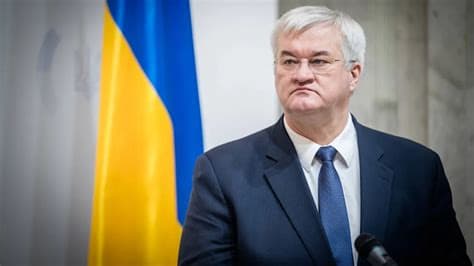
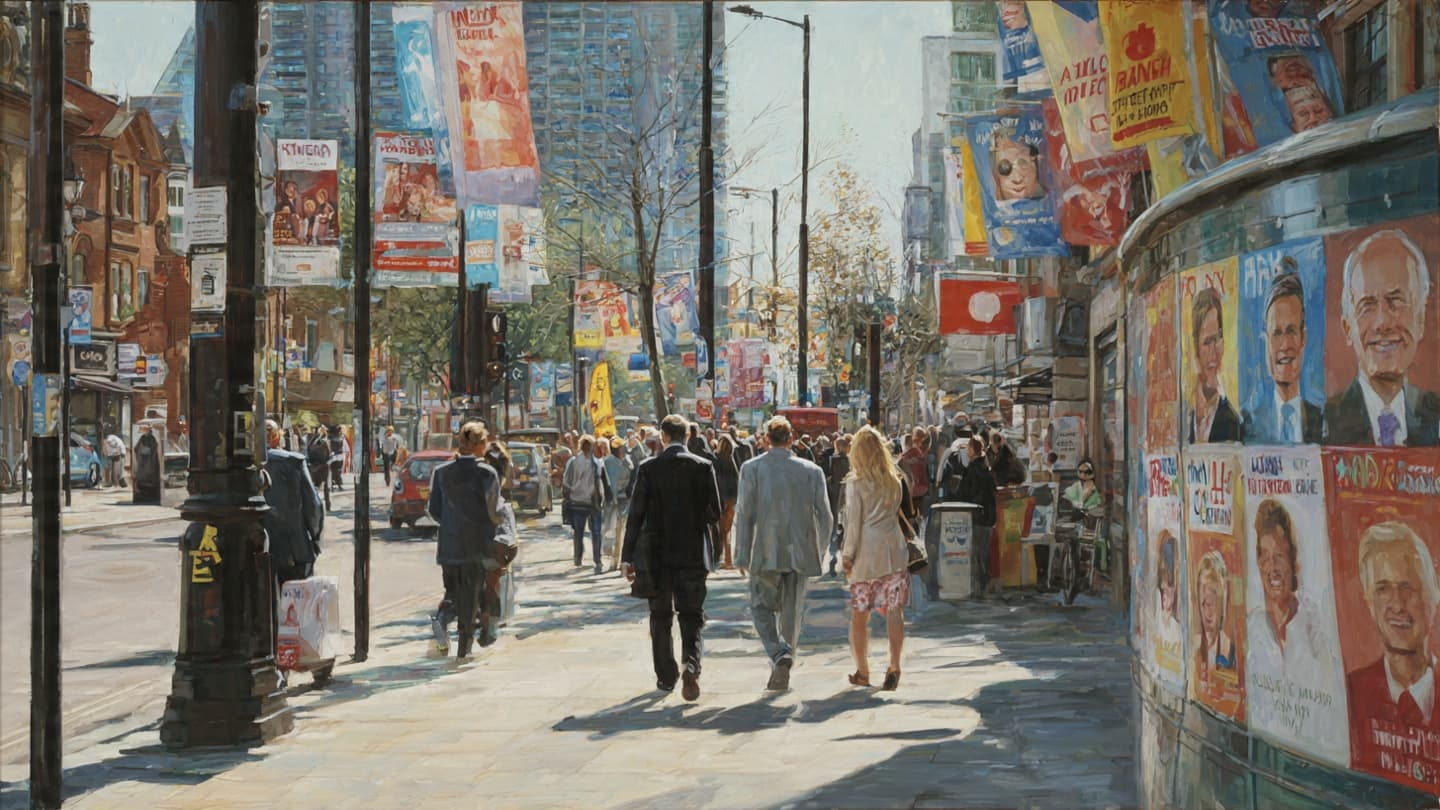
AI Image Disclaimer: The visuals for this story are AI-generated representations designed to capture the unique and satirical elements of this political contest.
Sources: BBC News The Guardian Sky News
Published by Banx Network. This article is part of the Banx decentralized media programme, powered by the BXE token on the XRP Ledger.