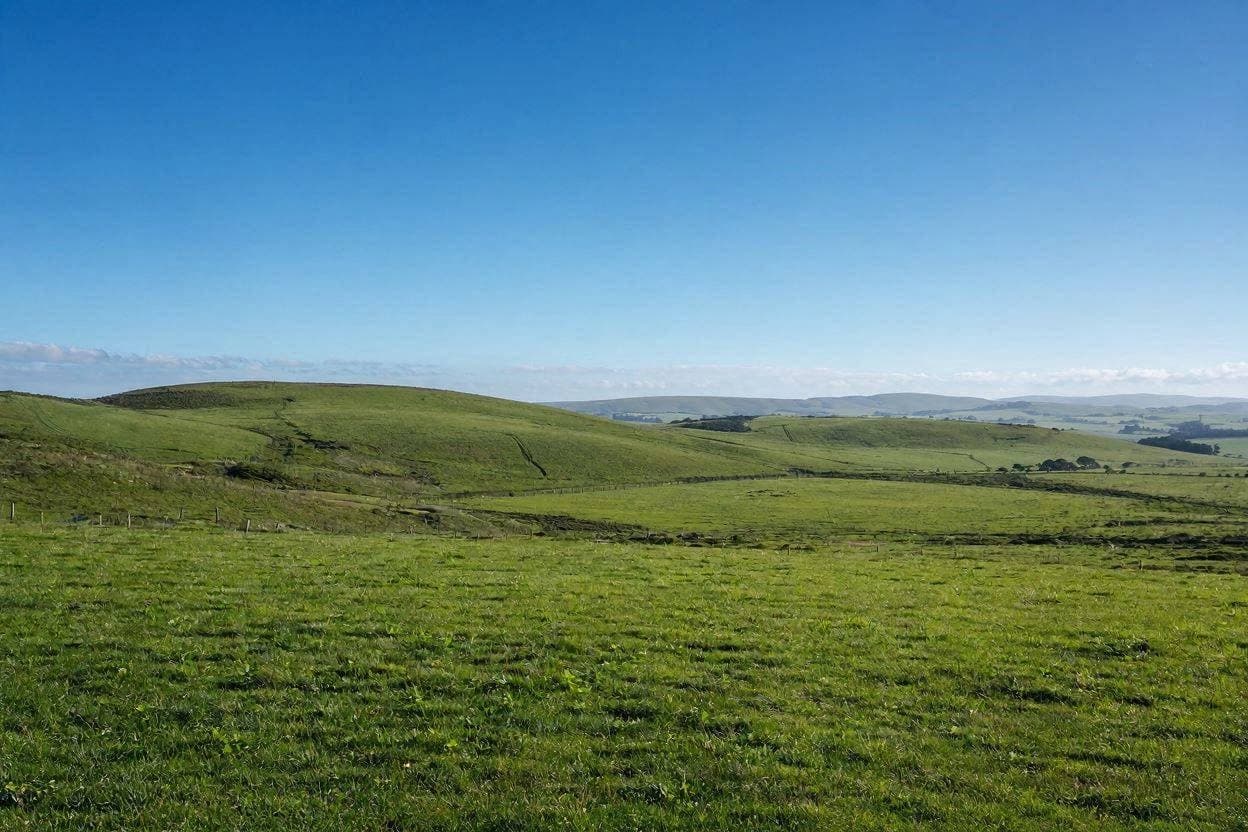
Land is more than just soil and grass; it is heritage, livelihood, and identity. In Tasmania, the sale of Rushy Lagoon, the state’s largest single farm, to a foreign investment firm has ignited a fierce debate about ownership, agriculture, and environmental policy. Treasurer Jim Chalmers finds himself accused of "betrayal" by farming groups, who argue that the approval of the deal undermines the social contract with Australian farmers. It is a conflict that touches on deep-seated fears about the loss of local control and the prioritization of carbon credits over food production.
Body: The controversy centers on the use of carbon farming incentives, which allow landowners to generate income by sequestering carbon in vegetation. Critics argue that these schemes encourage the conversion of productive agricultural land into pine plantations or other non-food uses, driven by offshore capital. For Tasmanian farmers, this represents a threat to their way of life and the long-term sustainability of the region’s food supply. They feel that the federal government has failed to protect their interests.
TasFarmers President Nathan Cox described the decision as a breaking of trust, suggesting that the government has prioritized international investment over local community needs. The emotional weight of the word "betrayal" reflects the depth of the disappointment felt by the agricultural sector. It is not just about one farm; it is about the precedent it sets for future land sales and the direction of national agricultural policy.
Jim Chalmers, as Treasurer, defends the decision within the framework of existing laws and foreign investment guidelines. He argues that the deal complies with regulations and brings economic benefits to the region. However, this technical justification does little to soothe the concerns of those who feel left behind. The gap between policy logic and community sentiment is wide, bridged only by meaningful dialogue and responsive governance.
The role of carbon markets in this transaction is particularly contentious. While carbon sequestration is vital for combating climate change, the method of implementation matters. If it leads to the displacement of farmers and the consolidation of land in the hands of large corporations, it may create new social and economic problems. Finding a balance between environmental goals and agricultural viability is a complex challenge that requires nuanced solutions.
Foreign ownership of Australian farmland has long been a sensitive issue. Many Australians believe that land should remain in local hands to ensure that profits and decisions benefit the community. The sale of Rushy Lagoon to a UK-based entity has reignited these debates, prompting calls for stricter regulations and greater transparency in foreign investment approvals. The government faces pressure to address these concerns without stifling legitimate economic activity.
The political implications are significant. With elections on the horizon, parties are keen to position themselves as champions of rural Australia. The accusation of betrayal against Chalmers provides ammunition for the opposition, who may use it to highlight perceived failures in Labor’s agricultural policy. The debate is likely to intensify, shaping the narrative around land use and economic management in the coming months.
Closing: In the end, the dispute over Rushy Lagoon is a microcosm of larger tensions in Australian society. It highlights the need for policies that are not only economically sound but also socially just and environmentally sustainable. As the nation grapples with these issues, the voices of farmers must be heard and respected, ensuring that the land remains a source of pride and prosperity for all.
AI Image Disclaimer: Visuals accompanying this text are AI-generated conceptualizations intended to depict the themes of agriculture and land ownership.
Sources: TasFarmers Farmland Grab Australian Financial Review
Published by Banx Network. This article is part of the Banx decentralized media programme, powered by the BXE token on the XRP Ledger.