
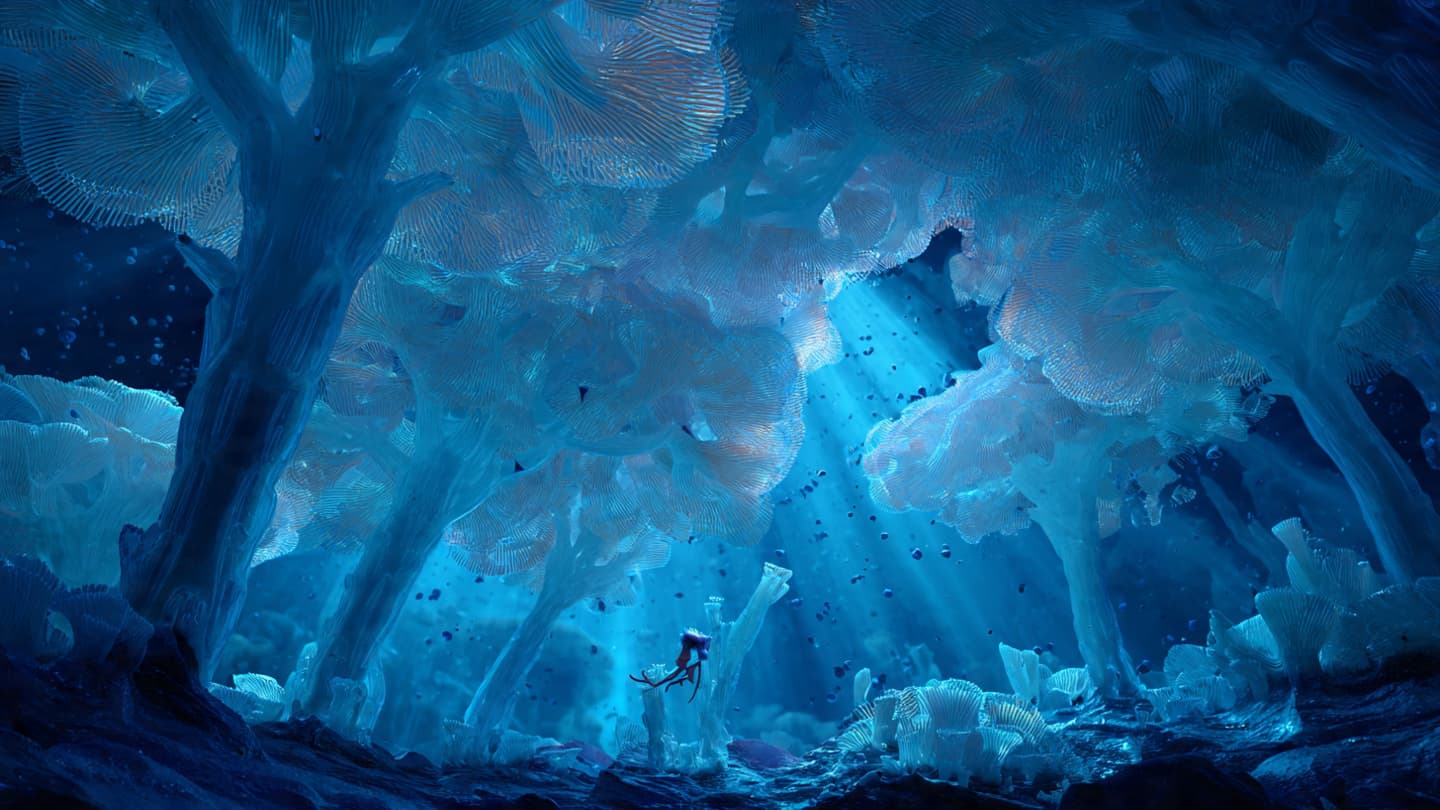
Far beneath the ocean’s surface, where sunlight disappears and silence settles across immense underwater landscapes, life continues to evolve in forms both delicate and astonishing. The deep sea remains one of Earth’s least understood frontiers, offering discoveries that often seem closer to imagination than ordinary biology.
Marine researchers announced the discovery of 1,121 new marine species over the past year, including a remarkable worm species found living inside the structure of a deep-sea glass sponge, described by scientists as resembling a “glass castle.”
The unusual relationship between the worm and the sponge drew attention because of its apparent biological harmony. Researchers explained that the sponge provides shelter while the worm survives within the protected environment deep beneath the ocean surface.
The discoveries were made during multiple scientific expeditions involving remotely operated vehicles, underwater imaging systems, and international marine research programs exploring previously uncharted regions of the ocean floor.
Scientists said many of the newly identified species were discovered in fragile ecosystems threatened by climate change, pollution, and proposed deep-sea mining operations. Marine conservation groups emphasized the importance of protecting underwater biodiversity before it is fully understood.
Among the discoveries were newly documented crustaceans, coral species, deep-sea fish, and microscopic organisms adapted to extreme conditions involving pressure, darkness, and limited nutrients.
Researchers noted that deep-sea ecosystems often evolve in isolation over millions of years, creating biological structures and survival strategies rarely seen elsewhere on Earth. The glass sponge habitat in particular fascinated scientists because of its intricate mineral-like appearance.
The findings also highlighted how little humanity still knows about the oceans despite decades of scientific exploration. Experts estimate that a large percentage of marine species remain undiscovered.
Marine scientists said continued international cooperation and ocean research funding will remain essential as expeditions continue uncovering life in Earth’s deepest waters.
AI-generated image disclaimer: Some scientific visuals accompanying this article may include AI-generated artistic recreations of deep-sea marine environments.
Sources: BBC News, National Geographic, Reuters, Smithsonian Magazine, NOAA
Note: This article was published on BanxChange.com and is powered by the BXE Token on the XRP Ledger. For the latest articles and news, please visit BanxChange.com