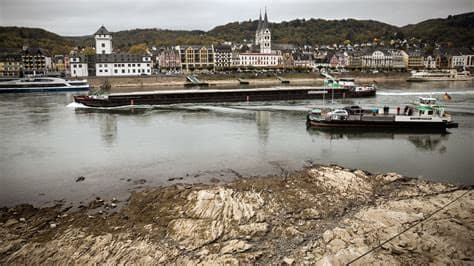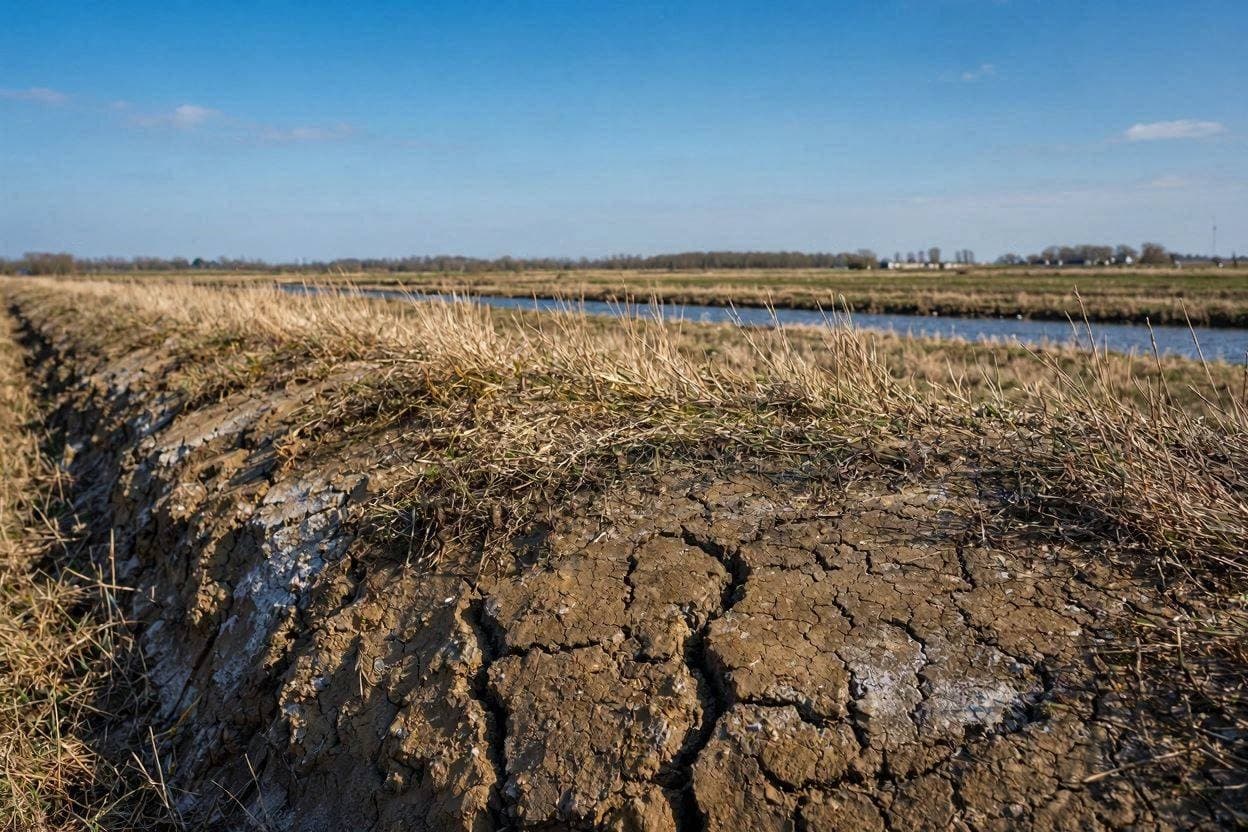
Water has long been the lifeblood of Northern Europe, shaping its landscapes, economies, and cultures. But as summers grow hotter and drier, this vital resource is becoming a source of vulnerability. In the Netherlands, rising temperatures are drying out the soil beneath historic dikes, compromising their structural integrity. Meanwhile, in Germany, low water levels in major rivers are disrupting commercial trade, forcing barges to carry lighter loads or halt operations entirely. These parallel crises illustrate how climate change is reshaping the physical and economic foundations of the region.
The Dutch dikes, engineered marvels that have protected the low-lying country from the sea for centuries, rely on moist clay to maintain their strength. Prolonged drought causes the clay to shrink and crack, creating pathways for water seepage and increasing the risk of failure during heavy rains or storms. Engineers are monitoring these changes closely, implementing new maintenance techniques such as irrigation and soil reinforcement to mitigate the damage. The challenge is not just technical but financial, as the cost of upkeep rises with the frequency of extreme weather.
In Germany, the Rhine and other key waterways are experiencing record-low levels due to reduced rainfall and increased evaporation. These rivers are crucial arteries for transporting goods such as coal, grain, and chemicals. When water levels drop, ships must reduce their cargo to avoid running aground, leading to higher transport costs and supply chain delays. Industries that depend on timely deliveries are feeling the strain, with some considering alternative routes that are less efficient and more expensive.
The economic impact extends beyond immediate logistics. Higher transport costs contribute to inflation, affecting consumers and businesses alike. Agricultural sectors are also hit hard, as low river levels limit irrigation options and increase the risk of crop failure. The interdependence of water, energy, and food systems means that a disruption in one area can ripple through the entire economy, creating widespread instability.
Governments in both countries are responding with adaptive strategies. The Netherlands is investing in innovative dike technologies and nature-based solutions, such as restoring wetlands to retain moisture. Germany is exploring ways to improve water management, including dredging rivers and optimizing lock systems. These efforts require significant investment and international cooperation, as water flows across borders and affects multiple nations.
Public awareness of the issue is growing, with citizens increasingly recognizing the link between climate change and daily disruptions. Community initiatives are emerging to promote water conservation and support local adaptation projects. This grassroots engagement is crucial for building resilience and ensuring that policy measures are supported by societal action. Education and communication play key roles in fostering a culture of sustainability.
Scientific research is providing valuable insights into the long-term trends and potential scenarios. Climate models predict that dry summers will become more frequent and intense, necessitating proactive planning. Policymakers are using this data to inform infrastructure decisions and regulatory frameworks, aiming to balance economic needs with environmental protection. The goal is to create systems that can withstand the shocks of a changing climate.
The dual threats to Dutch dikes and German river trade underscore the urgent need for climate adaptation. By investing in resilient infrastructure and sustainable practices, Northern Europe can safeguard its heritage and economy, ensuring that water remains a source of life rather than a cause of crisis.
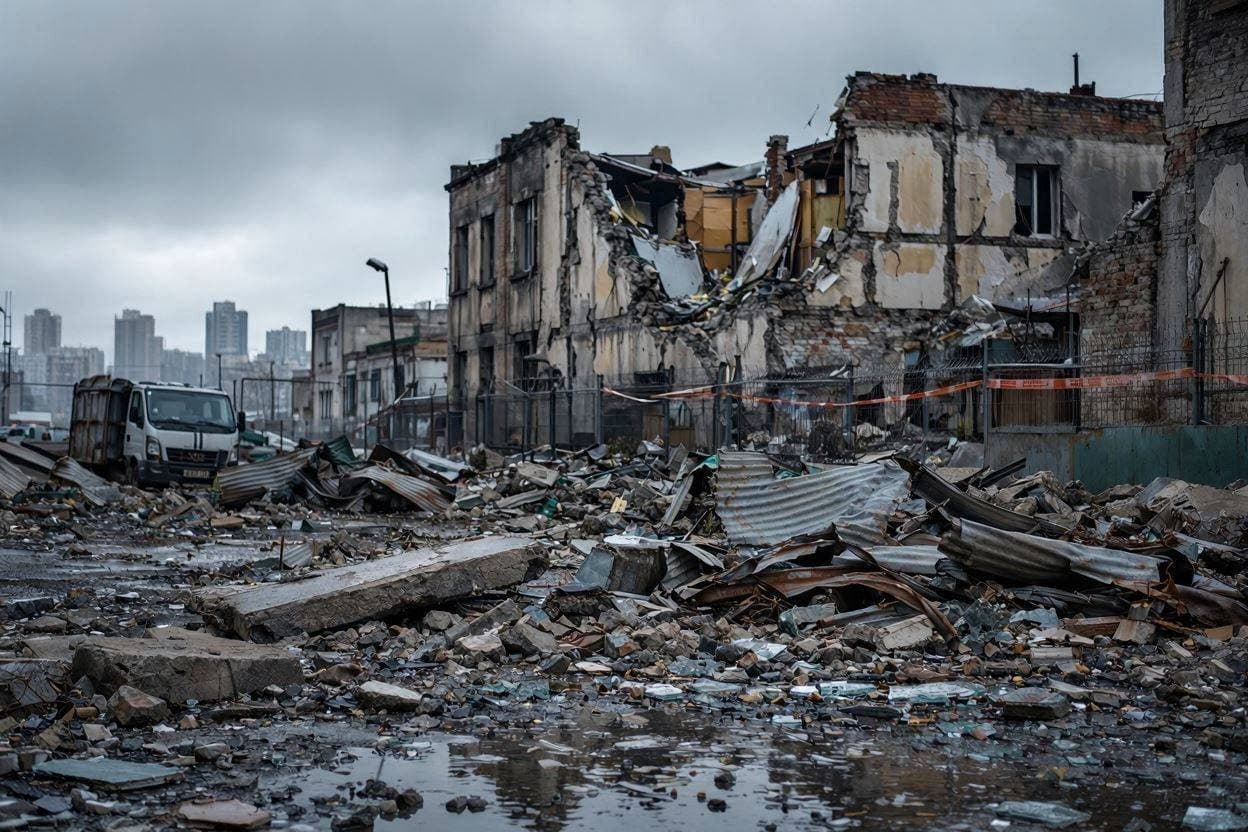
AI Image Disclaimer: The images associated with this article are AI-generated illustrations designed to represent the themes of climate impact on infrastructure and trade.
Sources: DW (Deutsche Welle), NL Times, Reuters, The Guardian
Note: This article was published on BanxChange.com and is powered by the BXE Token on the XRP Ledger. For the latest articles and news, please visit BanxChange.com