In the narrow strips of land where history and conflict intersect, news often arrives in waves of sorrow and complexity. Recent reports indicate that at least thirteen people have lost their lives in Israeli strikes on Gaza, following an agreement by Hamas to a disarmament deal. This juxtaposition of diplomatic progress and continued violence underscores the fragile nature of ceasefires and the deep-seated tensions that persist even when terms are signed. It is a moment that demands careful observation, avoiding simplistic narratives in favor of a nuanced understanding of the human cost.
The strikes occurred in the aftermath of negotiations that were intended to de-escalate hostilities and pave the way for a broader peace framework. The agreement on disarmament was seen by many as a significant step toward reducing the capacity for armed conflict. However, the implementation of such deals is often fraught with challenges, including mistrust, verification issues, and sporadic violations by various factions. The recent casualties highlight the volatility of the situation on the ground.
The victims of the strikes include civilians and combatants, though exact details remain subject to verification by independent observers. Each life lost adds to the toll of a conflict that has already claimed thousands, leaving scars on families and communities that will take generations to heal. The grief is universal, transcending political affiliations and reminding us of the shared humanity of all those affected by war.
International mediators have expressed concern over the continuation of violence despite the agreement. They urge all parties to adhere to the terms of the deal and to exercise restraint to prevent further escalation. Diplomatic efforts are ongoing to clarify the circumstances of the strikes and to ensure that the disarmament process moves forward without further bloodshed. The role of external actors is critical in maintaining momentum toward peace.
For the residents of Gaza, the reality is one of constant uncertainty. Even when agreements are reached, the fear of renewed violence lingers. Infrastructure remains damaged, and access to basic services is limited, compounding the humanitarian crisis. The psychological impact of living in such conditions is profound, affecting children and adults alike, and requiring sustained support from health and social services.
The political implications of the strikes are significant. They test the credibility of the disarmament deal and the willingness of leadership on both sides to enforce compliance. Critics argue that without strict monitoring and accountability, such agreements may fail to deliver lasting peace. Supporters, however, maintain that diplomacy is the only viable path forward, despite occasional setbacks.
Human rights organizations have called for independent investigations into the strikes to determine whether international law was violated. Transparency and accountability are essential for building trust and ensuring that justice is served. These calls reflect a broader demand for adherence to legal and ethical standards in conduct of hostilities, regardless of the political context.
The deaths in Gaza following the disarmament agreement serve as a poignant reminder of the fragility of peace. As diplomatic efforts continue, the focus must remain on protecting civilian lives and fostering an environment where dialogue can replace destruction, offering hope for a more stable future.
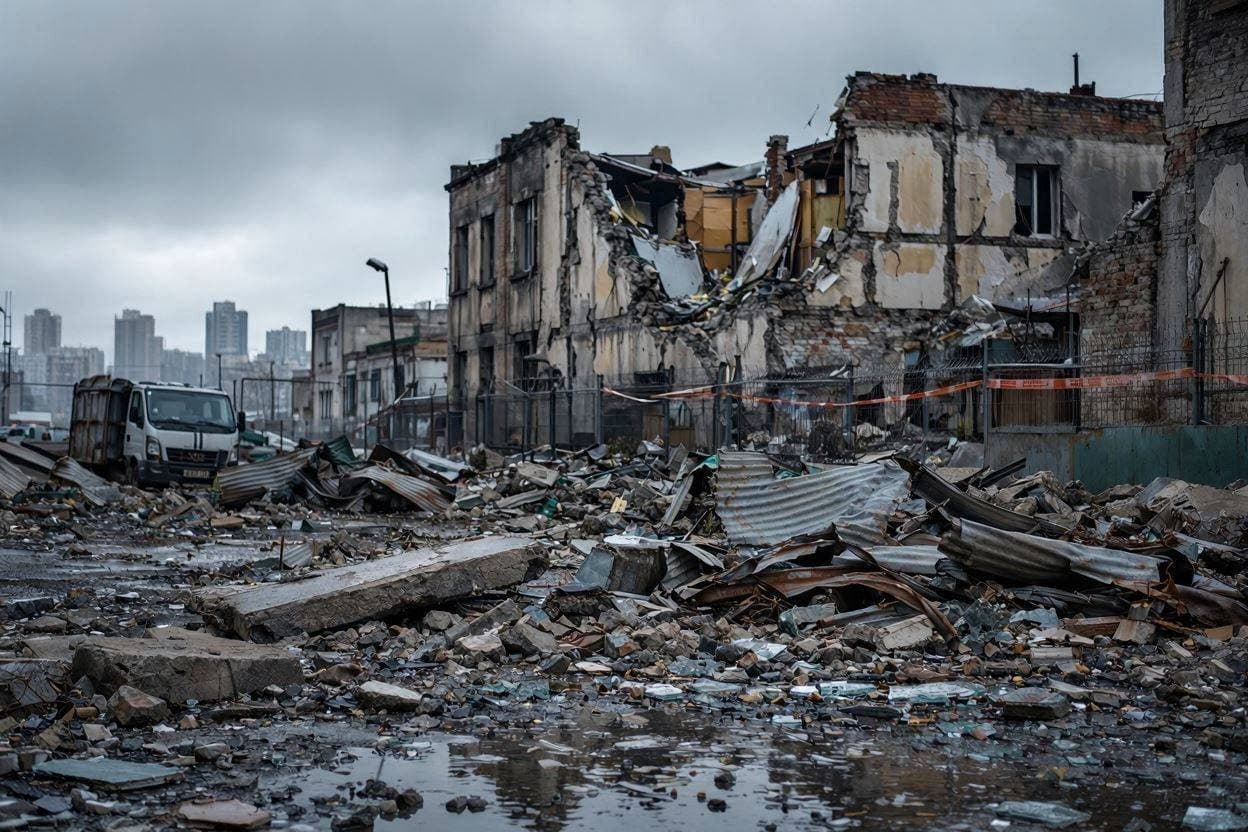
AI Image Disclaimer: Please note that the images in this piece are AI-generated illustrations created to depict the themes of conflict aftermath and diplomatic tension.
Sources: Reuters, Al Jazeera, BBC News, The Guardian
Note: This article was published on BanxChange.com and is powered by the BXE Token on the XRP Ledger. For the latest articles and news, please visit BanxChange.com