
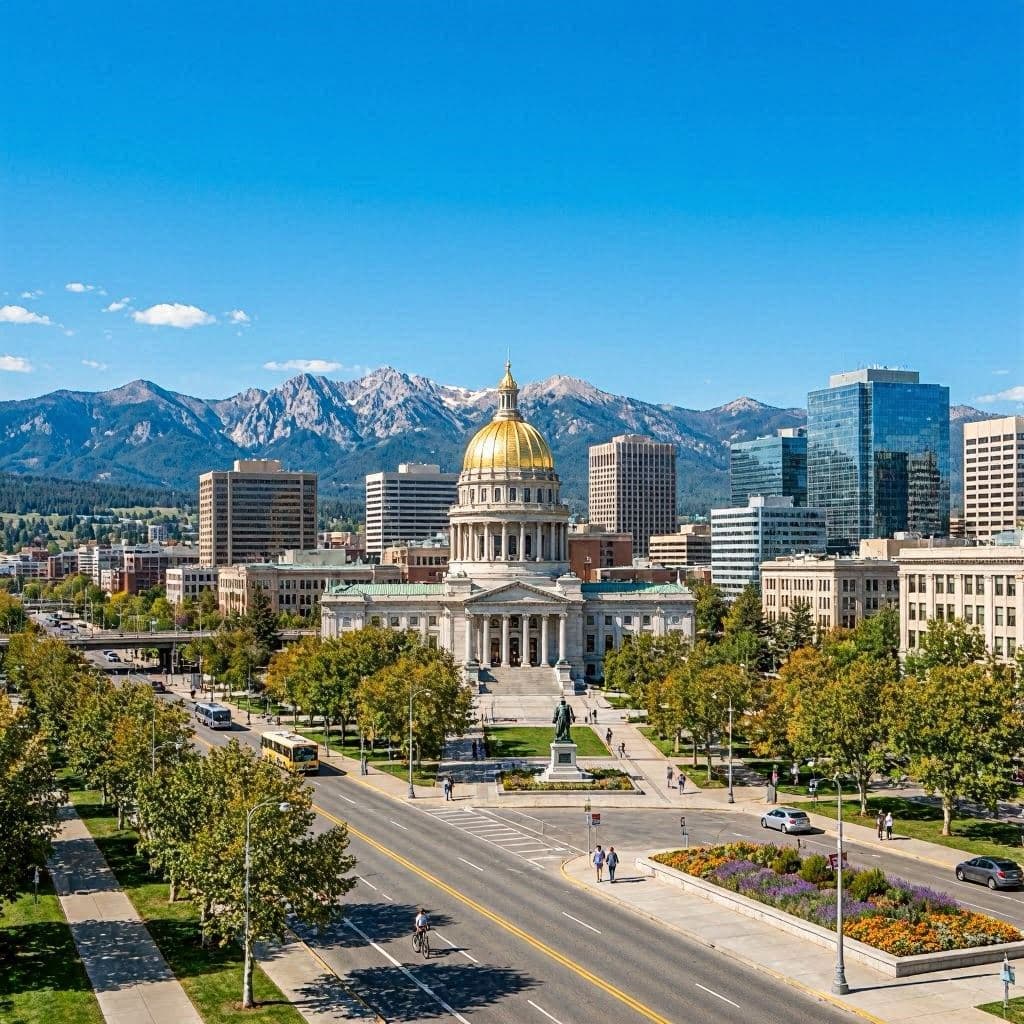
Like a well‑traveled road meeting new intersections, Colorado’s June 30 primary offers a clear test for the Democratic Party’s balance between established leadership and rising voices—set within a state that has shifted from swing‑territory toward reliably competitive . The races—including governor, U.S. Senate, and eight House seats—show how intra‑party tensions shape strategy and priorities. For governor, Senator Michael Bennet and Attorney General Phil Weiser face off: one seen as Washington‑tested and backed by party leaders, the other as state‑level leadership with grassroots appeal. In the Senate primary, veteran incumbent John Hickenlooper runs against progressive state lawmaker Julie Gonzales—another contrast between established incumbency and newer reform‑minded candidates . Similar contests unfold in several congressional districts, where long‑time incumbents meet younger challengers . These contests matter beyond Colorado: observers view them as a gauge of whether traditional fundraising networks, endorsements, and campaign structures still prevail against energetic, often younger or more ideologically distinct contenders . The state’s caucus‑assembly system and open‑primary rules also give rank‑and‑file voters extra influence compared to many other states . Party officials report growing membership—now exceeding one million registered Democrats—and higher assembly participation, signaling both strength and active debate . Yet disagreements persist on messaging: whether to emphasize unity against Republican opposition or sharpen internal policy differences on healthcare, climate, housing, and education funding . Some races have been marked by spirited exchanges on leadership style and record—for example, questions about past votes, litigation stances, and effectiveness in blocking national‑level policies. Candidates from both wings stress electability as a central goal, though they differ on how best to build winning coalitions across suburbs, cities, and mountain counties . The results will likely shape who leads into the November general election and also influence which voices define the party’s platform and strategy nationwide. Winning establishment candidates would reinforce a proven formula; strong showings by challengers could push the party toward more inclusive, grassroots‑driven processes . State leaders emphasize that the process itself—vibrant debate and broad participation—strengthens the eventual nominee’s readiness for the fall campaign . Colorado’s independent‑minded electorate often rewards candidates who listen widely and adapt their message to local concerns. Once ballots are counted, the primary outcomes will serve as one more milestone in the continuing conversation between the Democratic establishment and its evolving base. AI Image Disclaimer: These visuals are concept illustrations only and do not represent specific candidates or polling sites. Sources: Ballotpedia, Colorado Democratic Party, The Denver Post, Colorado Sun, Associated Press
Note: This article was published on BanxChange.com and is powered by the BXE Token on the XRP Ledger. For the latest articles and news, please visit BanxChange.com