

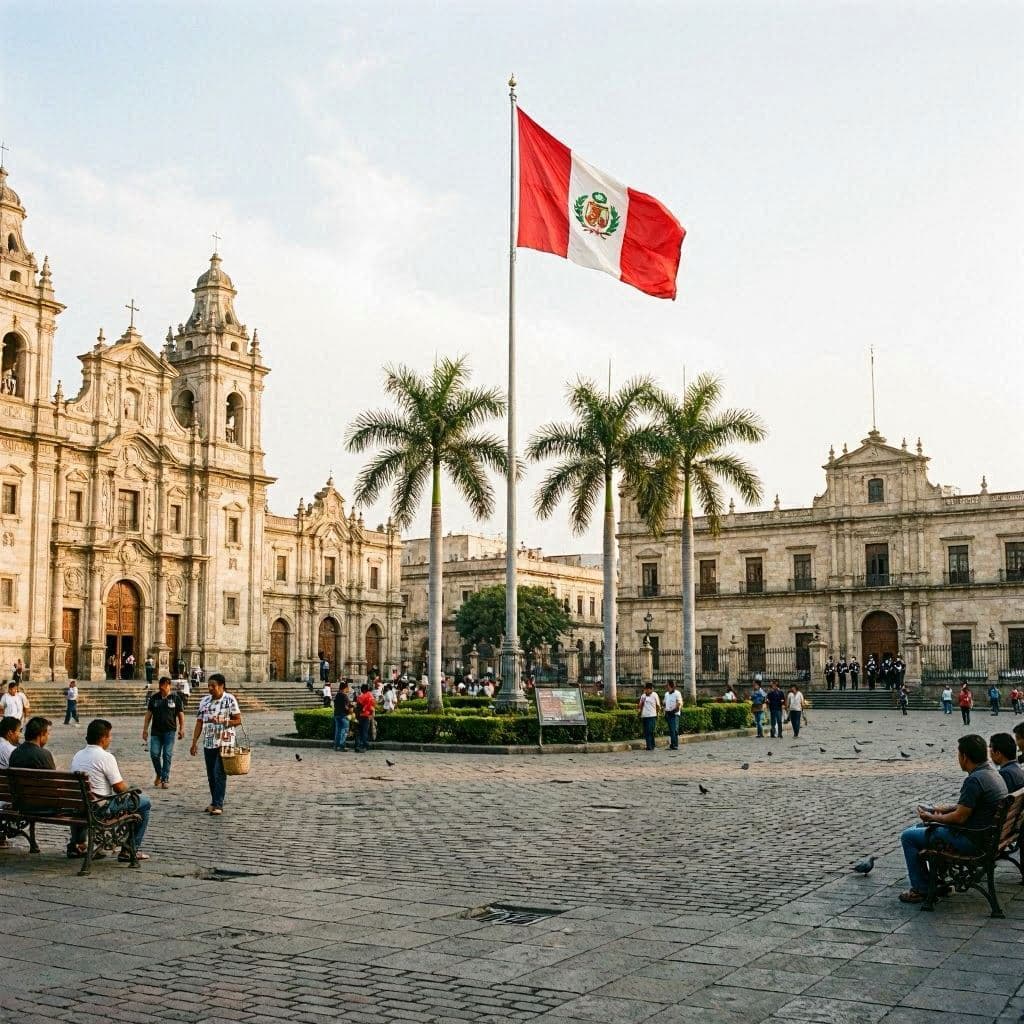
Key Highlights
- Fujimori's Victory: Keiko Fujimori declared winner of Peru's 2026 presidential election.
- Narrow Margin:Victory achieved by less than one percent over rival Roberto Sánchez.
- Political Challenges:Fujimori faces a divided Congress and societal unrest.
In the high Andes, where the air is thin and history runs deep, the outcome of a political contest can feel like the turning of a tectonic plate. For Peru, a nation that has weathered decades of instability and economic fluctuation, the declaration of Keiko Fujimori as the next president marks a significant chapter in its ongoing democratic journey. Her victory, achieved after a prolonged and closely watched vote count, brings with it both the promise of order and the weight of a complex legacy.
The electoral process, which concluded in June 2026, was marked by intense polarization and a narrow margin of victory. Fujimori, representing the conservative Popular Force party, edged out her leftist rival Roberto Sánchez by less than one percent. This slim difference underscores the deeply divided nature of the Peruvian electorate, where regional and ideological lines often dictate political allegiance. The final tally, including overseas votes, confirmed her position as the leader who will guide the country through its next term.
Fujimori’s rise to power is inextricably linked to her father, former President Alberto Fujimori, whose tenure was characterized by both economic stabilization and authoritarian excesses. For many supporters, she represents a return to the stability and security of the 1990s, a period they recall with nostalgia. For critics, however, her victory raises concerns about the potential erosion of democratic institutions and human rights protections. This duality defines the public perception of her leadership even before she takes office.
The transition period will be crucial for setting the tone of her administration. With a fragmented Congress and a society still healing from recent social unrest, Fujimori faces the challenge of building consensus across political divides. Her ability to govern effectively will depend not only on her policy choices but also on her willingness to engage with opposition voices and civil society organizations. The need for inclusive governance has never been more pressing.
Economically, Peru stands at a crossroads. The country has struggled with slow growth and high inflation in recent years, issues that fueled much of the discontent leading up to this election. Fujimori has promised to restore investor confidence and implement fiscal discipline, but she must also address the social inequalities that have left many citizens behind. Balancing these competing demands will require a nuanced approach to economic management.
Internationally, her victory signals a shift toward conservatism in Latin America, aligning Peru with other right-leaning governments in the region. This alignment may influence trade agreements and diplomatic relations, particularly with neighboring countries and global powers. As Peru redefines its place on the world stage, the international community will be watching closely to see how her administration navigates these new dynamics.
As the celebrations settle and the work of governance begins, the people of Peru look forward with a mix of hope and caution. The declaration of victory is just the first step in a long process of rebuilding trust and fostering national unity. The coming months will reveal whether this political change can translate into tangible improvements in the lives of ordinary citizens.
Keiko Fujimori has been declared the winner of Peru’s 2026 presidential election, securing a narrow victory that promises a conservative shift in governance while facing the challenge of uniting a deeply divided nation.
Published by Banx Network. This article is part of the Banx decentralized media programme, powered by the BXE token on the XRP Ledger.




