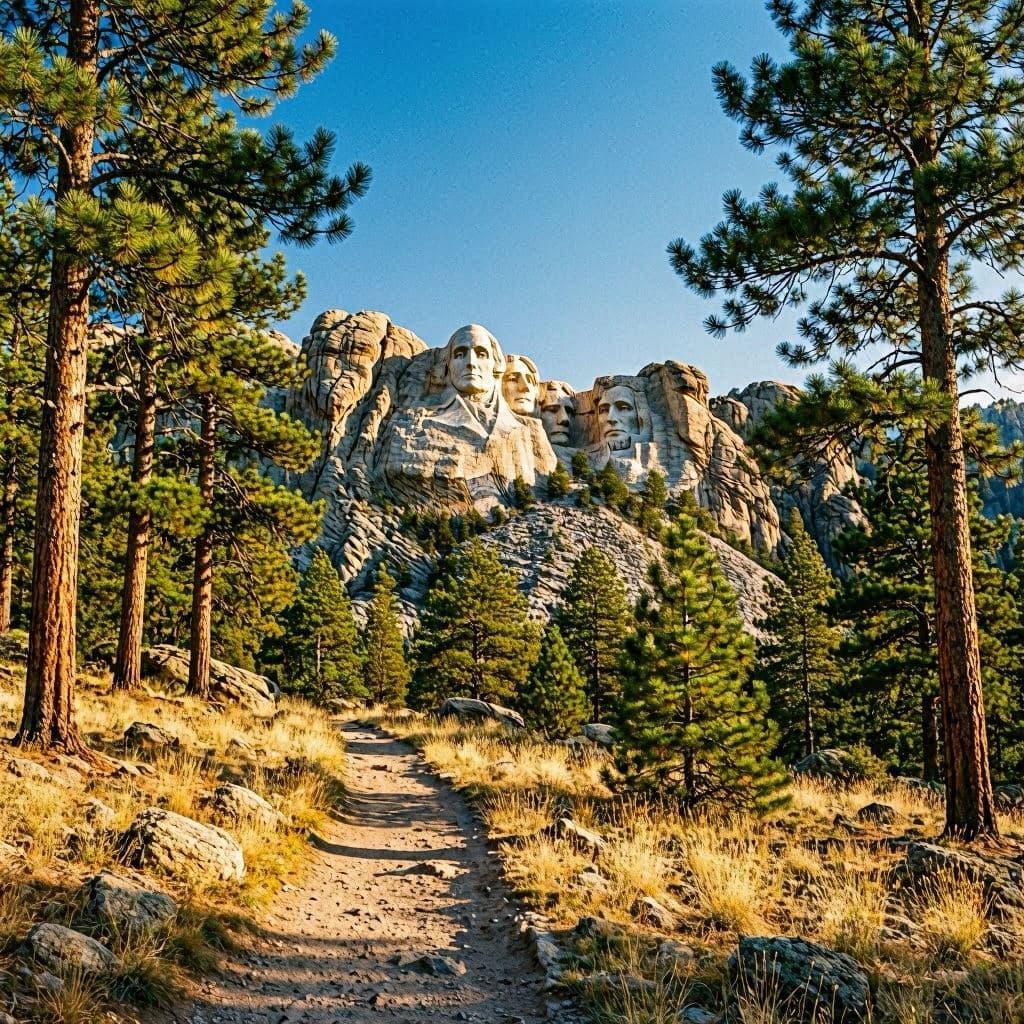
Like striking a match near dry grass, plans for a fireworks display at Mount Rushmore have renewed long‑standing warnings about wildfire risk in one of the nation’s driest, most fire‑prone summers . The National Park Service halted such events in 2010 because surrounding ponderosa‑pine forests ignite easily and burn intensely; earlier shows had sparked 20 documented fires between 1998 and 2009 . Current conditions amplify concern: low snowpack, months of below‑average rain, and elevated fire‑danger ratings across South Dakota and the Black Hills region. Experts note that even small sparks or embers can travel into deep litter and duff, where fires spread fast and are hard to contain in steep, rugged terrain . The event was authorized despite past denials and ongoing lawsuits, with plans to deploy fire crews and conduct limited prescribed burns near the site—but many fire specialists and former park superintendents say safeguards are not enough to offset natural risks . They also point to debris—unexploded shells, wadding, and plastic—that persists long after the show, complicating cleanup and adding further hazards . Beyond fire risk, critics cite impacts on wildlife, water quality, and cultural concerns from Indigenous nations whose homelands include the Black Hills . Supporters frame the fireworks as a patriotic tradition and an economic boost to nearby towns, arguing that careful planning minimizes danger . Fire‑management records show that when conditions are dry, even routine activities require extra caution—and large‑scale pyrotechnics historically created predictable ignition points . In 2002 and 2010, authorities canceled displays precisely because fire danger was too high . The decision also reflects broader debates: balancing national‑celebration symbols with sound ecological and safety practices, especially as climate change extends dry spells and raises fire risk throughout the West. Some observers note that this issue is not about ideology but about following established wildfire‑safety guidelines that have protected the area for years. Fire officials will be on site, but they remind the public that once a wildfire begins in such forests, it can grow rapidly and require massive, multi‑agency response—at great cost and risk to lives and resources . The show has proceeded with preparations in place, yet the conversation remains open: whether tradition should be weighed equally against the growing and real threat of wildfire in a warming, drying landscape. AI Image Disclaimer: Generated artwork captures the scene’s general setting but is not an official or operational photograph. Sources: National Park Service, Wildfire Today, Associated Press, The Washington Post, U.S. Department of Agriculture
Published by Banx Network. This article is part of the Banx decentralized media programme, powered by the BXE token on the XRP Ledger.