Disease outbreaks often begin quietly, almost invisibly, before gradually revealing the scale of their movement through communities and borders. Public health experts frequently describe epidemics as races against time, where information, coordination, and trust become as important as medicine itself. A warning from a World Health Organization doctor suggesting that an Ebola outbreak may be spreading faster than initially believed has therefore drawn renewed international concern.
Health officials monitoring the outbreak indicated that new transmission patterns and case investigations suggest the virus could be moving more rapidly than early estimates showed. Epidemiologists are now working to determine the extent of community spread and identify possible gaps in detection systems.
Ebola remains one of the world’s most serious viral diseases because of its high fatality rate and the challenges associated with containing outbreaks in vulnerable health systems. Symptoms can include fever, weakness, internal bleeding, and severe complications requiring immediate medical intervention.
The WHO and partner organizations have emphasized the importance of rapid contact tracing, isolation measures, and community education. Public health responses often depend heavily on local cooperation, especially in regions where medical infrastructure may already face strain.
Past Ebola outbreaks demonstrated how fear and misinformation can complicate containment efforts. Distrust of authorities, delayed reporting, and limited healthcare access sometimes allow infections to spread before officials fully understand the scale of transmission.
Medical teams and humanitarian organizations are also working to strengthen laboratory testing capacity and emergency treatment facilities. Vaccination strategies developed during previous outbreaks may play an important role if sufficient resources and coordination are maintained.
Global health experts noted that while Ebola outbreaks are often geographically contained, international travel and population movement require constant vigilance. Even localized health emergencies can quickly attract worldwide attention because of concerns surrounding preparedness and cross-border response systems.
The warning from WHO officials also arrives during a broader period of heightened awareness regarding infectious disease management after the COVID-19 pandemic. Governments and international agencies continue evaluating how quickly health systems can respond to emerging biological threats.
WHO representatives stated that monitoring efforts, medical coordination, and international support initiatives are continuing as investigators assess the outbreak’s pace and scope.
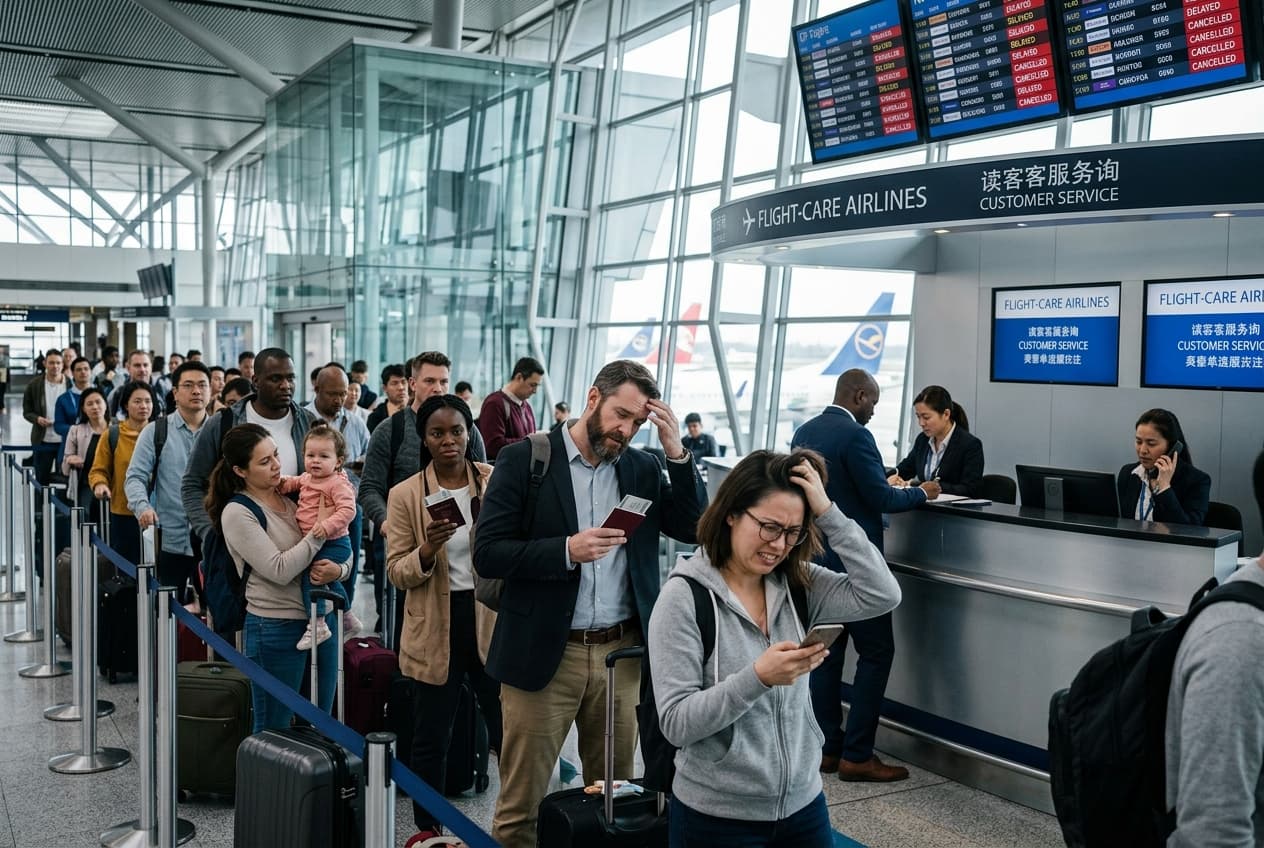
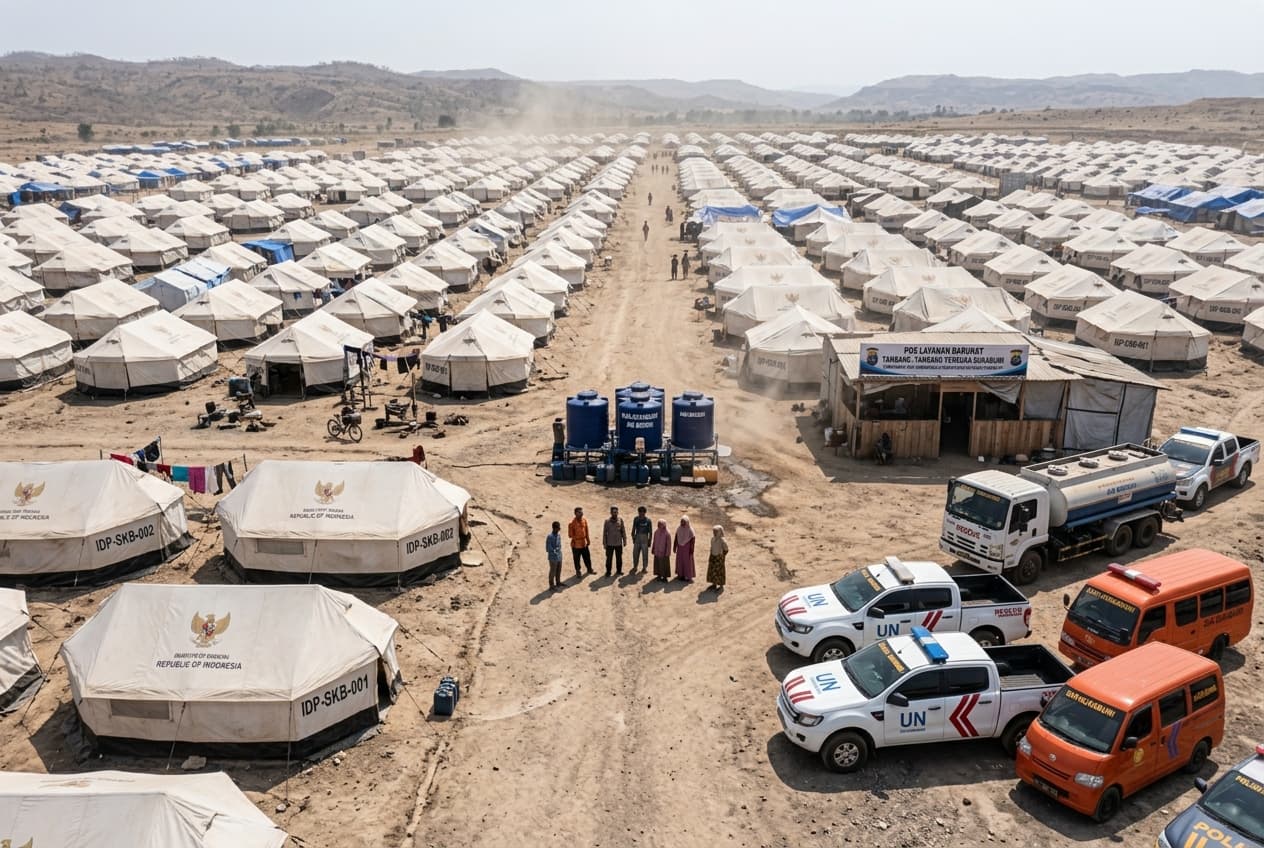
AI Image Disclaimer: Certain health-related visuals accompanying this report were created with AI-assisted image generation tools.
Sources: Reuters, World Health Organization, BBC, Associated Press, The Lancet
Published by Banx Network. This article is part of the Banx decentralized media programme, powered by the BXE token on the XRP Ledger.