
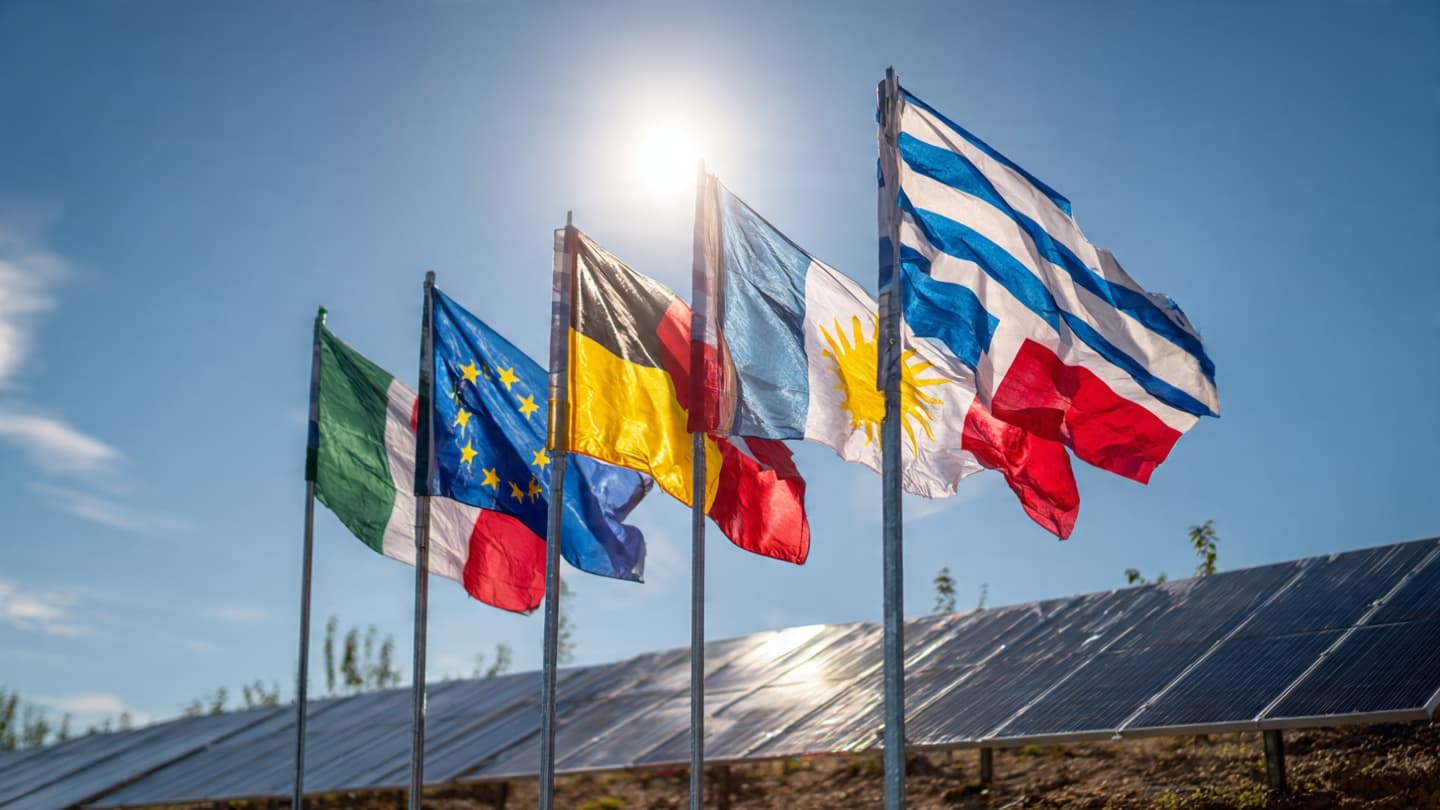
In the vast landscape of international relations, nations rarely stand entirely alone. Throughout history, they have sought strength, security, and prosperity by joining hands with others who share similar values, interests, or challenges. These alliances and partnerships form an important part of the global structure, influencing how decisions are made and how resources are deployed. Today, however, we are witnessing a period where these relationships are being carefully examined and redefined. The reasons for this review are many. The world has changed significantly in recent years, bringing forward new threats and new opportunities. Issues that once seemed distant are now immediate concerns, while long-standing problems require fresh approaches. In response, countries are asking fundamental questions about the nature of their commitments, the balance of responsibilities, and whether existing arrangements are still the best way to achieve their goals. Economic realities play a major role in this reflection. As the global economy shifts and new centers of growth emerge, the calculation of interests changes. Nations look for partnerships that not only offer security but also open doors for trade, investment, and technological exchange. There is a growing emphasis on relationships that are mutually beneficial, where burdens and rewards are shared in ways that feel fair and sustainable to all parties involved. Security concerns, too, are evolving. The nature of conflict and risk has broadened beyond traditional military confrontation to include cyber threats, energy security, and regional stability. This requires alliances to be more flexible, adaptable, and capable of addressing a wider spectrum of challenges. It encourages cooperation that is not just symbolic, but practical and action-oriented. Cultural and political factors also contribute. As societies evolve, so do their worldviews and their expectations of how their country should engage with others. Public opinion often influences foreign policy, pushing leaders to seek partnerships that resonate with domestic values and aspirations. This creates a dynamic where diplomacy must constantly align with the changing mood and needs of the people. Of course, change is not always easy. Long-standing alliances carry with them history, trust, and established routines. Altering these frameworks involves careful negotiation and sensitivity to avoid misunderstandings. Yet, there is also a recognition that remaining static in a changing world can lead to irrelevance or ineffectiveness. The result is a process of gradual adjustment. Some partnerships are being strengthened through new agreements and increased cooperation. Others are being modified to reflect new realities, while new connections are being explored with countries that were previously less central to a nation’s strategy. It is a complex puzzle, being put together piece by piece. As this process continues, the shape of international cooperation will undoubtedly look different in the years to come. The goal remains the same—to ensure safety, progress, and influence—but the methods and the partners chosen to achieve it are part of an ongoing story of adaptation and strategic wisdom. AI Image Disclaimer Graphics are AI-generated and intended for representation, not reality. Sources
• Foreign Policy
• The Diplomat
• Reuters
• Stratfor
• Brookings Institution
Published by Banx Network. This article is part of the Banx decentralized media programme, powered by the BXE token on the XRP Ledger.


