
Before a storm arrives or the ground begins to move, there is often a small window in which information can travel faster than danger. Sensors detect changes, warning systems transmit signals and emergency teams prepare. In Indonesia, technology is increasingly being developed around that narrow space between knowing and acting.
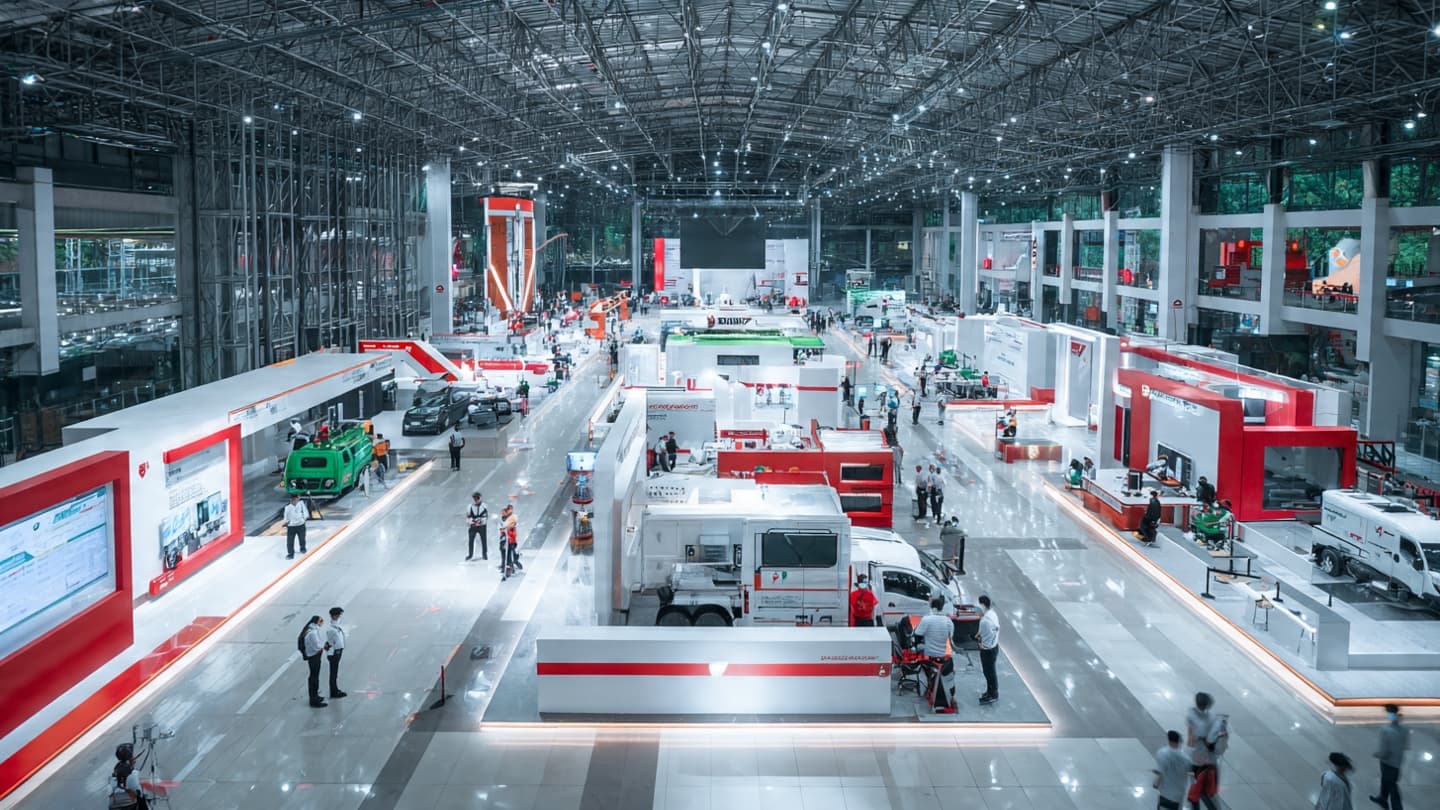
The Emergency Disaster Reduction and Rescue Expo 2026 in Jakarta brought together more than 80 domestic and international companies displaying disaster-mitigation technologies, emergency equipment and safety systems. The event ran from August 12 to 14 at Jakarta International Expo.
Among the technologies presented were early-warning systems, rescue equipment and remotely operated vehicles. The exhibition also included emergency simulations and business-matching programs designed to connect technology providers with potential users.
Indonesia has particular reason to pay attention to disaster technology. The country experiences thousands of natural disasters each year, ranging from earthquakes and volcanic activity to floods, landslides and other hazards. The frequency makes preparedness a continuing technological and organizational challenge.
Early-warning systems are one of the most important pieces. A warning itself, however, is only useful when people and institutions can respond quickly. The connection between detection and action therefore becomes as important as the sensors and communication systems that generate the alert.
Robotics can provide another layer of support. Remotely operated vehicles may enter areas that are difficult or dangerous for rescue personnel, allowing teams to inspect locations, gather information or search through environments where human access is limited.
The exhibition also reflected a growing emphasis on domestic capability. Indonesian officials said the country should develop technological self-reliance in disaster management rather than simply becoming a testing ground or market for foreign products.
That ambition involves more than manufacturing equipment. It also includes research, technology transfer, investment and cooperation between government agencies, universities, private companies and international partners.
The need for such systems has become especially visible following recent earthquakes in eastern Indonesia. A powerful earthquake in East Nusa Tenggara caused deaths, injuries, evacuations and infrastructure damage, while continuing aftershocks complicated rescue operations.
In such circumstances, technology becomes part of a much wider emergency network. Sensors can provide information, communications can distribute it, robots can assist in dangerous environments and trained personnel can turn those tools into practical action.
The EDRR Expo therefore offered more than a display of equipment. It showed how disaster management is gradually becoming a technology sector of its own, with Indonesia seeking stronger domestic capabilities while remaining connected to international expertise.
The direction is increasingly clear: Indonesia is investing attention in the systems that exist before, during and immediately after disasters. The effectiveness of those systems will ultimately depend on how well technology, institutions and communities work together when the next warning arrives.
Image Disclaimer
These visuals were generated with AI and represent conceptual disaster-management technology scenes rather than real photographs from the EDRR Expo.
Sources
ANTARA BNPB Basarnas BMKG Ministry of Human Development and Cultural Affairs of Indonesia
Published by Banx Network. This article is part of the Banx decentralized media programme, powered by the BXE token on the XRP Ledger.



