
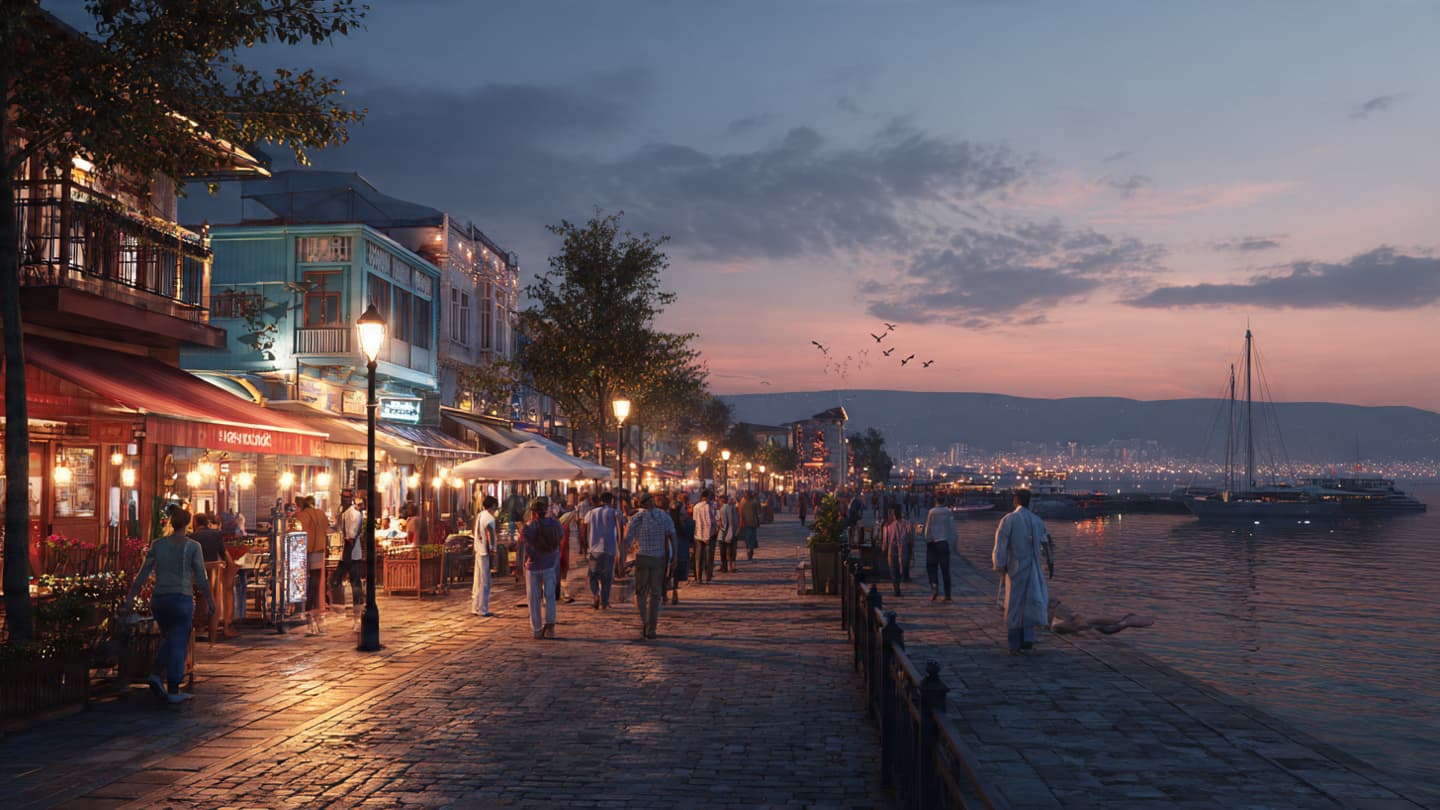
Before the height of summer fully arrives, Türkiye’s coastal towns begin transforming almost imperceptibly. Restaurants reopen terraces facing the sea, hotel staff prepare long rows of empty rooms awaiting international guests, and construction crews finish final touches on expanding tourism projects beneath the warming Mediterranean light. The coastline moves toward another season shaped by travel and motion.
Türkiye has expanded coastal tourism development projects ahead of the expected summer travel rush as tourism operators and regional authorities prepare for rising international visitor demand throughout 2026. Resort expansion, transportation improvements, and hospitality investments remain active across several Mediterranean and Aegean destinations.
Tourism centers including Antalya, Bodrum, Izmir, and Marmaris continue attracting strong investment tied to hotels, entertainment districts, marinas, and transportation infrastructure designed to accommodate growing visitor numbers during peak travel periods. Coastal tourism remains one of the country’s most significant economic sectors.
Industry analysts note that international tourism demand has remained resilient despite regional uncertainty and economic volatility affecting parts of Europe and the eastern Mediterranean. Türkiye’s combination of resort infrastructure, historical destinations, and competitive pricing continues supporting strong booking activity from both European and Middle Eastern travelers.
Infrastructure improvements have also become central to tourism expansion planning. Airport upgrades, highway improvements, cruise facilities, and coastal transportation projects are being developed alongside hospitality investments intended to improve accessibility and visitor experience.
At the same time, environmental pressures continue shaping discussions surrounding tourism growth. Climate experts and conservation groups have raised concerns over rising temperatures, water usage, coastal ecosystem strain, and overdevelopment risks in heavily visited resort areas during increasingly intense summer seasons.
Still, tourism remains deeply woven into the rhythm of Türkiye’s coastal regions. Seasonal workers return to resort towns, ferries reconnect islands and ports beneath long daylight hours, and local economies accelerate alongside the arrival of international visitors.
Across beaches, markets, and waterfront districts, tourism creates a temporary transformation repeated every year yet never entirely identical to the last. New hotels rise beside ancient harbors, while centuries-old coastal settlements continue adapting to modern travel demands.
Tourism authorities and regional business groups expect Türkiye’s coastal tourism activity to remain strong throughout summer 2026 as international travel across Mediterranean destinations continues expanding steadily.
Note: This article was published on BanxChange.com and is powered by the BXE Token on the XRP Ledger. For the latest articles and news, please visit BanxChange.com