
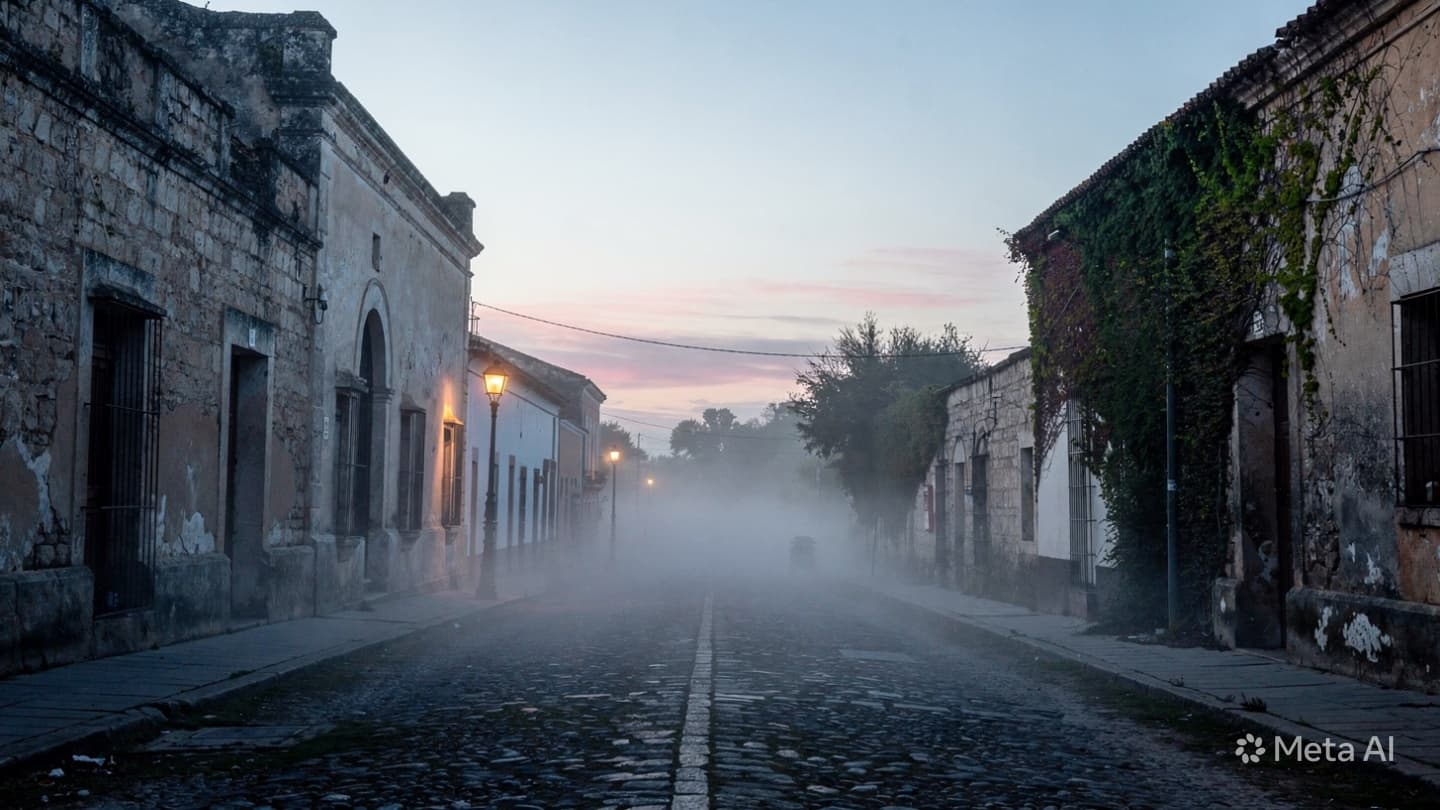
The morning air in the border highlands of San Marcos carries a distinct sharpness, a cold clarity that rolls down from the surrounding volcanic peaks to settle over towns defined by transit and trade. Here, where the geography of two nations blurs into a shared pattern of daily life, an invisible architecture of intimidation has long existed alongside the visible commerce of the streets. It is an old shadow cast by modern networks, a system where the simple act of keeping a shop open requires a quiet, exhausting tribute paid to unseen actors who operate from the dark periphery.
To walk through the bustling market squares of this border department is to witness a community that has learned to move with a careful, watchful deliberate posture. The economic lifeblood of these towns relies on the continuous flow of people and goods, yet for months, a persistent undercurrent of extortion has strained the fabric of daily routines. It is a quiet form of siege, one that does not announce itself with open conflict but manifests in the anxious glance of a merchant and the sudden, unexplained closure of a family business.
The presence of transnational gang cartels in these regions is felt not as a constant physical presence, but as a atmospheric pressure that alters how choices are made. A phone call received in the quiet hours of the night, a brief note delivered to a storefront—these are the small, heavy instruments used to enforce a compliance that chips away at the collective peace. For the small-scale entrepreneurs who drive the local economy, the burden is both financial and emotional, a weight that accompanies every transaction and plan for the future.
The dismantling of such a network does not occur with a singular dramatic gesture, but through a slow, meticulous assembly of fragments, testimonies, and quiet observations by those tasked with upholding the law. When the joint police raids finally occur in the dim light before dawn, the silence of the neighborhood is broken by the heavy footfalls of security forces moving with purpose through the narrow avenues. It is a sudden intervention into a space that had long felt abandoned to the whims of the cartel.
There is a particular stillness that follows the conclusion of such an operation, a lingering pause as the community wakes to find the architecture of their fear altered. The physical structures where these networks operated remain standing, indifferent to the shift in power, yet the human atmosphere within the neighborhood undergoes a subtle, tentative transformation. People gather on street corners, speaking in lowered voices, parsing the news not with celebration, but with a cautious, reflective hope.
The complexity of operating along a international border means that the roots of these criminal syndicates are deeply embedded, stretching far beyond the immediate horizon into neighboring territories. To disrupt a local cell is to prune a single branch of a much larger, subterranean tree that thrives on the margins of state authority. The residents understand this reality intimately; their history has taught them that peace in a borderland is a delicate thing, requiring constant, vigilant maintenance.
As the sun climbs higher, casting its bright, golden light over the colorful facades of San Marcos, the daily routine resumes its familiar cadence. The trucks are loaded with produce, the shop shutters are raised, and the sounds of bartering fill the crisp mountain air once more. Yet underneath the surface of this revived activity, there remains a deep, collective processing of what it means to live under the shadow of a threat that has been momentarily lifted.
The true resilience of these highland communities lies in their ability to preserve their way of life despite the predatory forces that seek to exploit them. They do not easily surrender their traditions or their optimism to the darkness, finding strength instead in the quiet solidarity of shared experience. The recent security operations provide a moment of clarity, a space to breathe, but the long-term work of rebuilding trust in the safety of the streets is a journey that is only just beginning.
The National Civil Police, in coordination with specialized anti-extortion units and international judicial agencies, executed a series of simultaneous raids across several municipalities in San Marcos to dismantle a transnational gang network. Officials confirmed that twelve properties were searched, resulting in the apprehension of key coordinators responsible for cross-border extortion rings targeting transit operators and local commercial enterprises. Evidence seized during the operation includes communication equipment and financial ledgers mapping illicit transactions across the western border.
Note: This article was published on BanxChange.com and is powered by the BXE Token on the XRP Ledger. For the latest articles and news, please visit BanxChange.com