
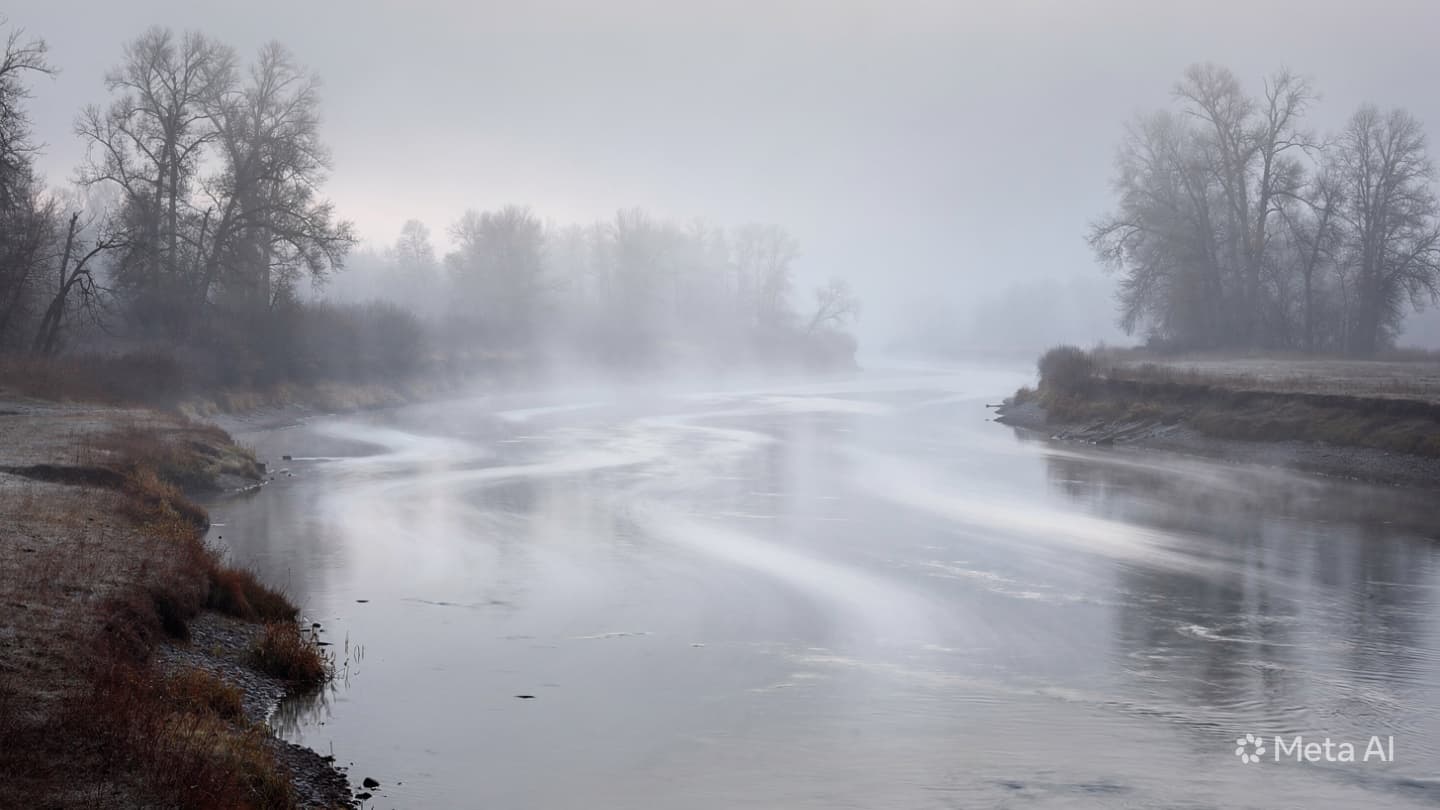
The river in Alberta is a powerful, ancient force, a fluid landscape of ice-melt and mountain sediment that shapes the terrain with a relentless, glacial patience. It is both a source of life and an unforgiving element, possessing a depth and a hidden momentum that humans can only partially comprehend. When a person is lost to its currents, the water becomes something more than a feature of the landscape; it becomes a place of waiting, a vast and cold archive of the unexpected.
The search operation is a slow, methodical defiance of that hidden power. It is a collective effort to bridge the distance between the known and the unknown, to reclaim what has been taken by the river’s silent, sweeping grip. For those involved—the divers, the search crews, the family standing on the bank—every hour spent scanning the surface is an act of profound endurance. It is a period of suspended time, where the world is reduced to the rhythmic pulse of the water and the desperate hope for a different outcome.
When the body is finally recovered, the atmosphere shifts from the frantic energy of the search to a heavy, reflective stillness. The river does not care for our grief, nor does it pause for the human cost of its depths. Yet, for the community, the recovery is a moment of closure that is as painful as it is necessary. It marks the transition from the agony of the unknown to the definitive, hard reality of the end, allowing the process of mourning to finally begin.
The riverbank becomes a place of memory, a physical location that is forever linked to the tragedy. It is a site that will be revisited by those who were changed by the event, a point on the map that holds the weight of a life that concluded in the water. The landscape of the region, so vast and rugged, feels momentarily smaller, more intimate, and significantly more fragile when confronted with the loss of one of its own.
Such events remind us that our presence in these natural landscapes is a tenuous privilege. We walk the edges of the wild, we fish in its waters, and we admire its beauty, often forgetting that the environment operates by a logic that is indifferent to human necessity. To lose a life to the river is to be forced into a humbling confrontation with our own limitations and the absolute, unyielding power of the natural world.
The investigation that follows—the coroner’s report, the analysis of how the incident occurred—is a clinical, necessary closure to a human mystery. It tries to make sense of the accident, to provide the family with the "how" that can never truly address the "why." It is the final, bureaucratic layer of a tragedy that has already been felt in the marrow of the community.
As the river continues its long, winding journey toward the plains, the memory of the search will slowly fade from the public discourse. The water will clear, the seasons will change, and the river will reclaim its indifference. Yet, for those who participated in the search or those who were touched by the loss, the river remains a witness to the fragility of their own existence, a constant, moving reminder of the depth of the waters and the brief, bright flame of a life.
A search operation in Alberta has concluded following the recovery of a body from the local river. Emergency crews, including specialized dive teams, spent days navigating the challenging current before locating the individual. The provincial coroner is now conducting an investigation to determine the exact circumstances surrounding the death.
Note: This article was published on BanxChange.com and is powered by the BXE Token on the XRP Ledger. For the latest articles and news, please visit BanxChange.com