
Morning markets in Central Africa often begin with familiar rhythms: bicycles crossing dusty roads, vendors arranging fruit beneath fading tarps, and families gathering before another long day. Yet beneath those ordinary movements, health officials in parts of the Democratic Republic of the Congo and Uganda are once again facing a disease that has shaped regional memory for decades. Ebola, with its history of sudden disruption and human loss, has returned to public attention through renewed outbreak concerns and emergency monitoring efforts.
Health authorities in both countries have intensified surveillance, tracing potential contacts while working alongside international organizations to prevent wider transmission. The response reflects lessons learned from previous outbreaks, where rapid coordination became essential in reducing the spread of infection. Border regions, often active with trade and movement, are receiving particular attention as officials attempt to balance public safety with daily economic realities.
In the Democratic Republic of the Congo, local medical teams have reportedly expanded community outreach programs designed to encourage early reporting of symptoms. Public messaging campaigns are emphasizing caution without panic, reminding residents about hygiene practices and the importance of medical consultation when symptoms appear. Rural healthcare systems, however, continue to face logistical pressures, including transportation difficulties and limited medical infrastructure.
Uganda has also strengthened screening measures and preparedness efforts. Authorities there have previously managed Ebola-related incidents with regional cooperation and structured response systems, experiences that now serve as a foundation for current actions. Health workers remain at the center of these operations, often working long hours in demanding conditions while attempting to reassure local communities.
The challenge surrounding Ebola outbreaks extends beyond medicine alone. In many affected areas, rumors and misinformation can travel faster than official updates, creating hesitation toward treatment centers or vaccination campaigns. Public health experts have repeatedly stressed that trust between communities and healthcare providers remains one of the most important defenses against the disease’s spread.
International organizations, including the World Health Organization, continue supporting monitoring and containment efforts. Cross-border coordination has become increasingly important, especially in regions where movement between neighboring countries is common for work, trade, and family connections. Officials are also reviewing stockpiles of vaccines and medical supplies in preparation for potential escalation.
While Ebola outbreaks are often alarming, experts note that improved response systems compared to earlier decades have strengthened containment capacity. Advances in diagnostics, surveillance technology, and vaccination strategies have helped reduce the scale of some recent outbreaks. Even so, public health agencies continue urging vigilance rather than complacency.
Communities across the region are now navigating a familiar tension between caution and resilience. Daily life continues, schools remain open in many areas, and markets still gather at sunrise. Yet behind those ordinary scenes stands a coordinated effort by medical workers, governments, and international partners seeking to prevent another major health crisis from deepening across Central Africa.
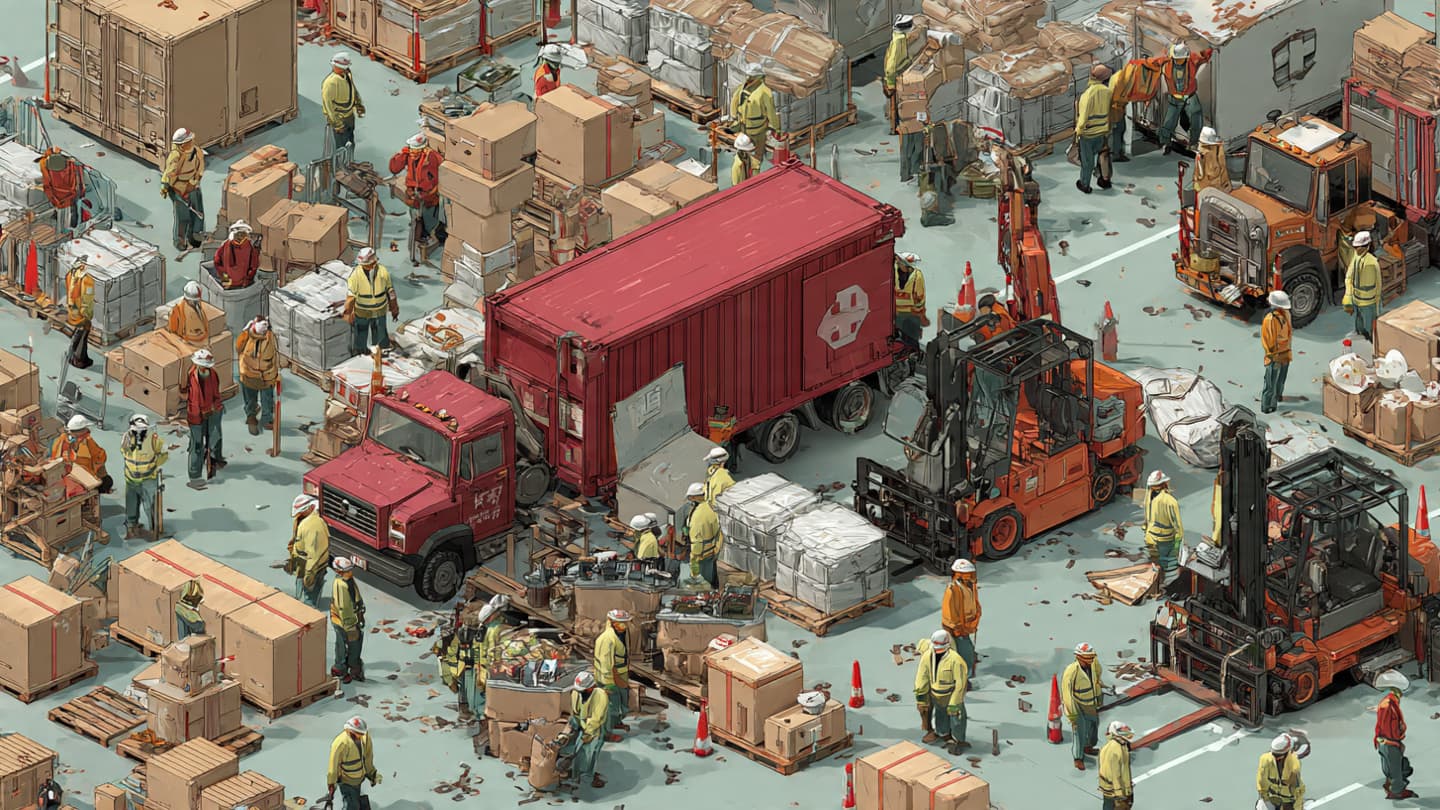
AI Image Disclaimer: Some accompanying visuals for this report may be AI-generated to illustrate public health response settings.
Sources: World Health Organization, Reuters, Associated Press, BBC News, Al Jazeera
Note: This article was published on BanxChange.com and is powered by the BXE Token on the XRP Ledger. For the latest articles and news, please visit BanxChange.com