
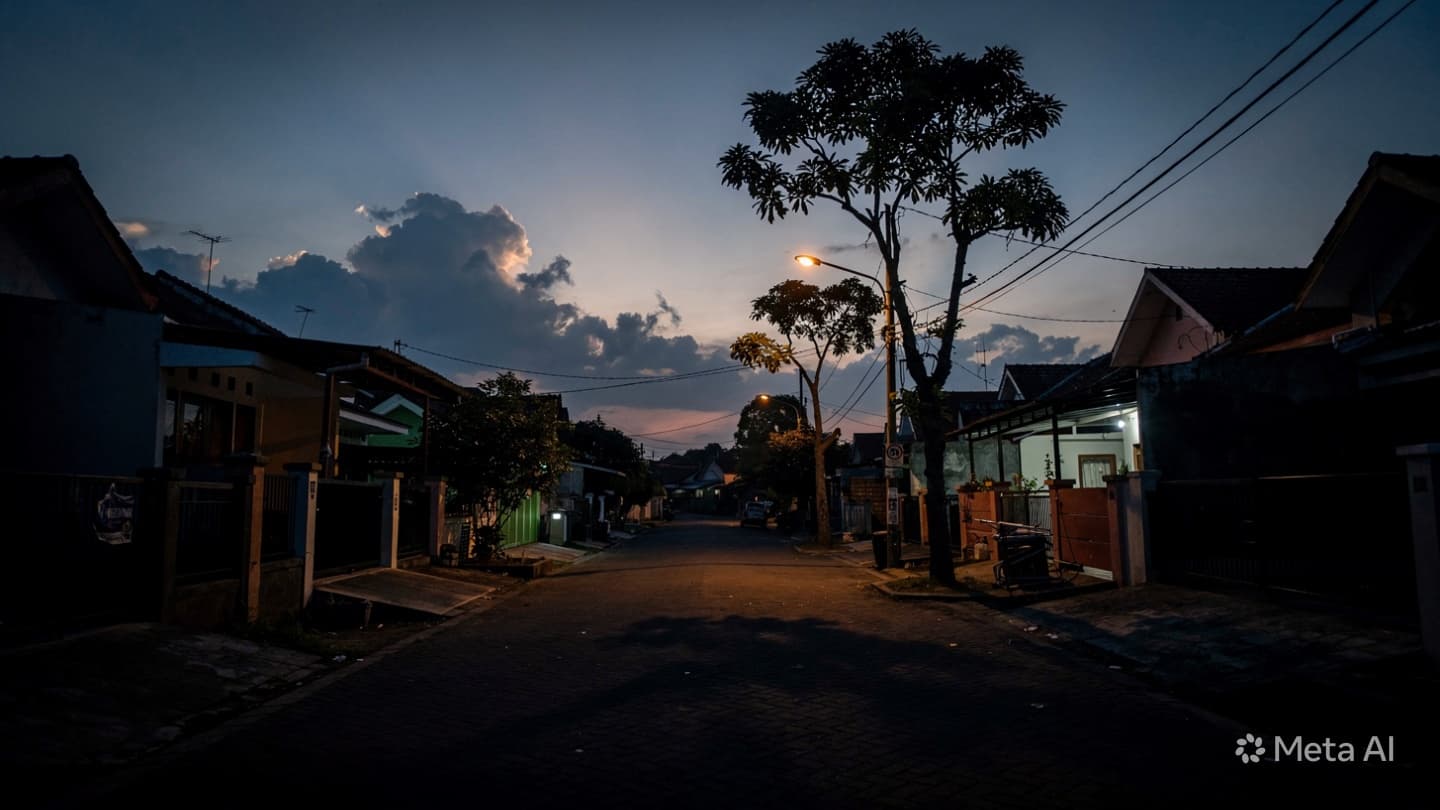
The urban landscape of Bogor often carries a unique, verdant grace, where the mist of the highlands meets the steady, unfolding rhythm of suburban growth. In the Yasmin area, life typically proceeds with the predictable cadence of a developing community—the morning stir of local markets, the hum of traffic along the arterial roads, and the quiet, collective effort of residents to build a sense of home amidst the rapid pace of expansion. It is a place where we move through the streets with an assumption of order, trusting in the boundaries that separate our public passages from the private sanctities of our neighbors' lives.
When that order is shattered by an act of profound violence, the atmosphere of the neighborhood shifts in a way that feels both jarring and deeply intrusive. The news of a murder—an act that negates the very foundation of community trust—arrives as a cold, unsettling interruption to the local narrative. It transforms a familiar street address into a focal point of dark inquiry, forcing those who live nearby to confront the reality that the safety we often take for granted can be punctured by the actions of a single, troubled individual.
The apprehension of a suspect, while providing a degree of formal closure to the immediate crisis, does little to soothe the lingering sense of unease that settles over the area. There is a somber weight to such events, a realization that the proximity of violence is a constant, albeit hidden, variable in our shared existence. For the residents of Yasmin, the investigation that follows is not merely a matter of legal procedure; it is a difficult process of reconciling the normalcy of their daily surroundings with the stark, irreversible reality of what occurred behind closed doors.
Authorities move through the scene with the clinical focus that such a tragedy demands, collecting the forensic evidence that will eventually piece together the final, dark moments of the victim's life. It is a necessary, methodical labor, intended to serve the demands of justice, yet it struggles to articulate the depth of the loss. Every piece of evidence—a witness account, a discarded object, a timeline of movements—represents a fraction of a story that was never intended to be told in the public light.
The victim, whose life was so abruptly ended, is no longer just a person in the neighborhood; she becomes a symbol of the vulnerability we all share. In the wake of her death, the community is left to navigate the slower, more painful work of mourning. It is a process that requires the collective acknowledgment of the tragedy, a reaching out to neighbors, and a quiet, persistent effort to reclaim the sense of sanctuary that the violence so violently disrupted.
We often navigate these suburban spaces with a sense of guarded autonomy, focusing on our own destinations and our own rhythms. But an event like this pulls the curtain back, revealing the porous nature of our private lives. It reminds us that every house, every garden, and every brightly lit street is a space where human histories intersect in ways that can lead to either warmth or, as in this case, a cold and inexplicable darkness.
As the authorities continue to finalize their case and the legal processes grind forward, the community will eventually attempt to return to its rhythm. The police tape will be removed, the neighbors will resume their commutes, and the routine of the day will reassert itself. Yet, for those who call Yasmin home, the memory of the event will remain, a quiet, permanent reminder that beneath the surface of our peaceful neighborhoods, life is always hovering on the edge of the unexpected.
The Bogor City Police have confirmed the arrest of a male suspect in connection with the murder of a female victim in the Yasmin area. Authorities are currently conducting a detailed forensic investigation and have moved the suspect into custody to facilitate ongoing interrogations regarding the motive and circumstances of the crime.
Note: This article was published on BanxChange.com and is powered by the BXE Token on the XRP Ledger. For the latest articles and news, please visit BanxChange.com