
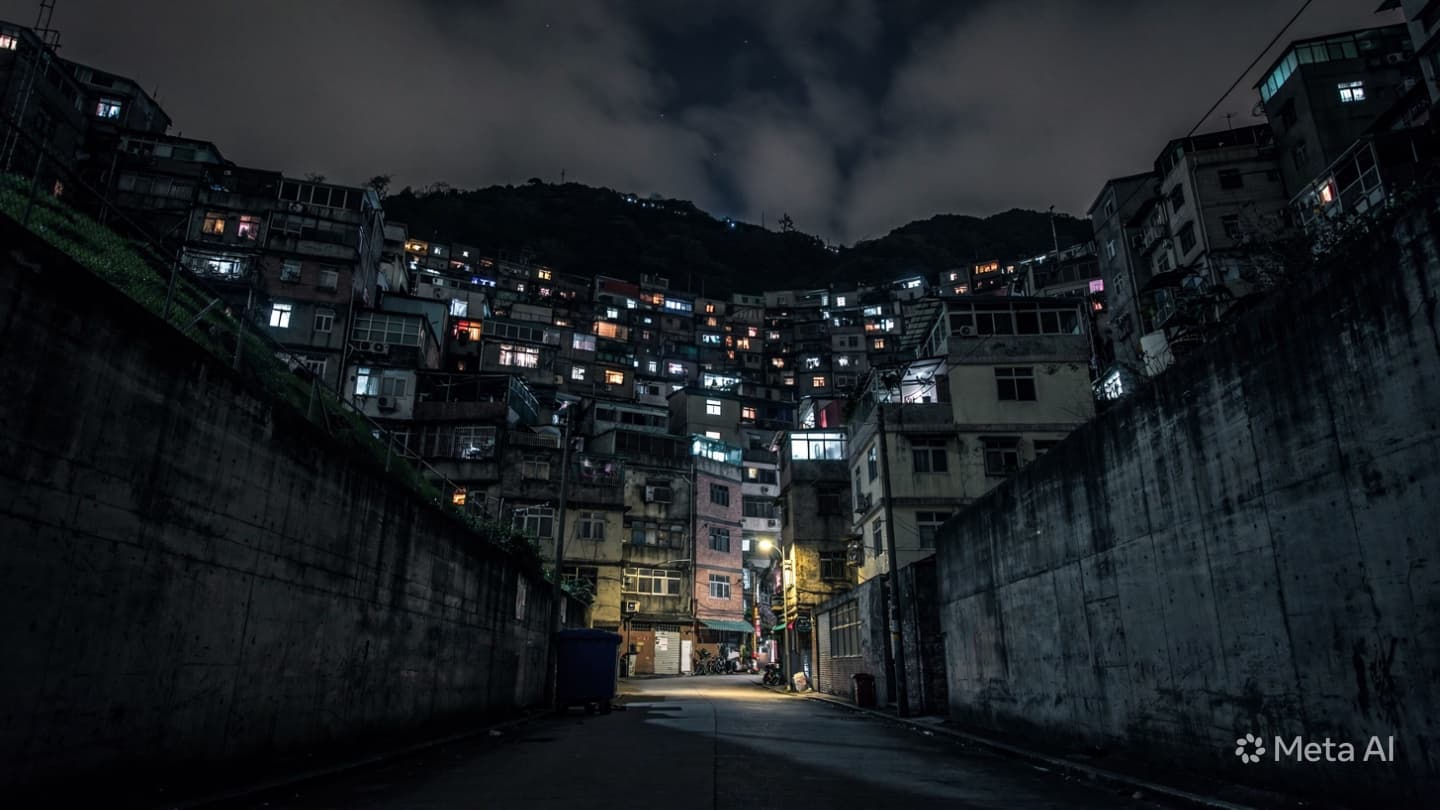
The high-density northern sector of Zone 18 is an environment that rarely rests, a sprawling urban labyrinth where the echoes of daily life linger long after the sun has dipped below the jagged mountain ridges. This is a landscape constructed of cinder block, corrugated iron, and narrow alleys that wind through the hillsides like dried riverbeds. In the deep hours of the night, when the collective hum of the neighborhood finally softens, a different kind of commerce moves through these tight spaces—one characterized by the cold weight of iron and the silent transit of illicit machinery.
To observe the city from these heights is to understand the profound complexity of an urban periphery where safety is a daily negotiation. For years, the presence of unregulated firearms has existed as a persistent, low-grade fever within the community, a force that reshapes how choices are made and how spaces are navigated. When a major smuggling operation is intercepted in the darkness, it is not merely an event; it is a temporary disruption to a complex, hidden network that spans far beyond the immediate horizon.
The discovery of specialized weaponry concealed within the mundane spaces of residential structures introduces a sudden, heavy silence into the neighborhood. These items, designed entirely for precision and finality, look strangely out of place amidst the ordinary details of domestic life—the plastic chairs, the laundry lines, the faded family photographs. The contrast underscores the reality of a world where the domestic and the dangerous exist in a state of quiet, uneasy proximity.
There is a particular atmosphere that accompanies a targeted security intervention in these crowded sectors before the arrival of dawn. The footfalls of tactical units move with an intentional, synchronized rhythm through the concrete passageways, their presence announced only by the brief flash of blue light against the colorful facades. For the residents who watch from behind curtained windows, the scene is a familiar reminder of the forces that contest the control of their streets.
As investigators methodically catalogue the seized machinery, measuring the serial numbers and tracing the origins of each barrel, they are piecing together a ledger of potential violence that will never occur. Each weapon removed from circulation represents a small fracture in the pipeline that sustains the local syndicates, a brief pause in a larger cycle of enforcement and retaliation. It is a slow, painstaking process that demands precision amidst the surrounding unpredictability of the urban night.
The impact of these illicit flows is felt most deeply by the families who live along the narrow walkways, where the fear of a stray trajectory alters how children play and how evenings are spent. The community has developed a quiet resilience, a way of maintaining dignity and routine despite the predatory networks that seek to root themselves in the neighborhood. They look upon these security operations with a mixture of relief and pragmatic detachment, knowing that the roots of the issue run deep into the social fabric.
As the morning light finally breaks over the valley, casting its bright glare across the tightly packed roofs of Zone 18, the daily cadence resumes without delay. The street vendors set up their stalls, the school children gather at the corners, and the sound of transit fills the air once more. The memory of the night’s operation remains etched into the silence of the specific house where the discovery was made, a localized marker of a much wider struggle.
The work of restoring permanent stability to these sectors is a journey that cannot be measured by a single night's success, but by the gradual accumulation of safety in the daily lives of the residents. The recent intervention provides a moment of clarity, a temporary opening in the clouds that hang over the northern district. It remains a reminder that under the vibrant, striving surface of the city, the cold mechanics of the underworld are constantly being monitored and met with resistance.
The National Civil Police, operating in conjunction with specialized anti-gang divisions and judicial investigators, executed a series of targeted search warrants on Thursday night inside a residential compound in Zone 18. Authorities confirmed the seizure of forty-two illegal firearms, including high-caliber automatic rifles, tactical shotguns, and extensive stockpiles of ammunition hidden within false wall compartments. Three individuals were taken into custody during the operation, which law enforcement officials believe has disrupted a major logistics cell responsible for supplying weapons to local illicit factions.
Note: This article was published on BanxChange.com and is powered by the BXE Token on the XRP Ledger. For the latest articles and news, please visit BanxChange.com