
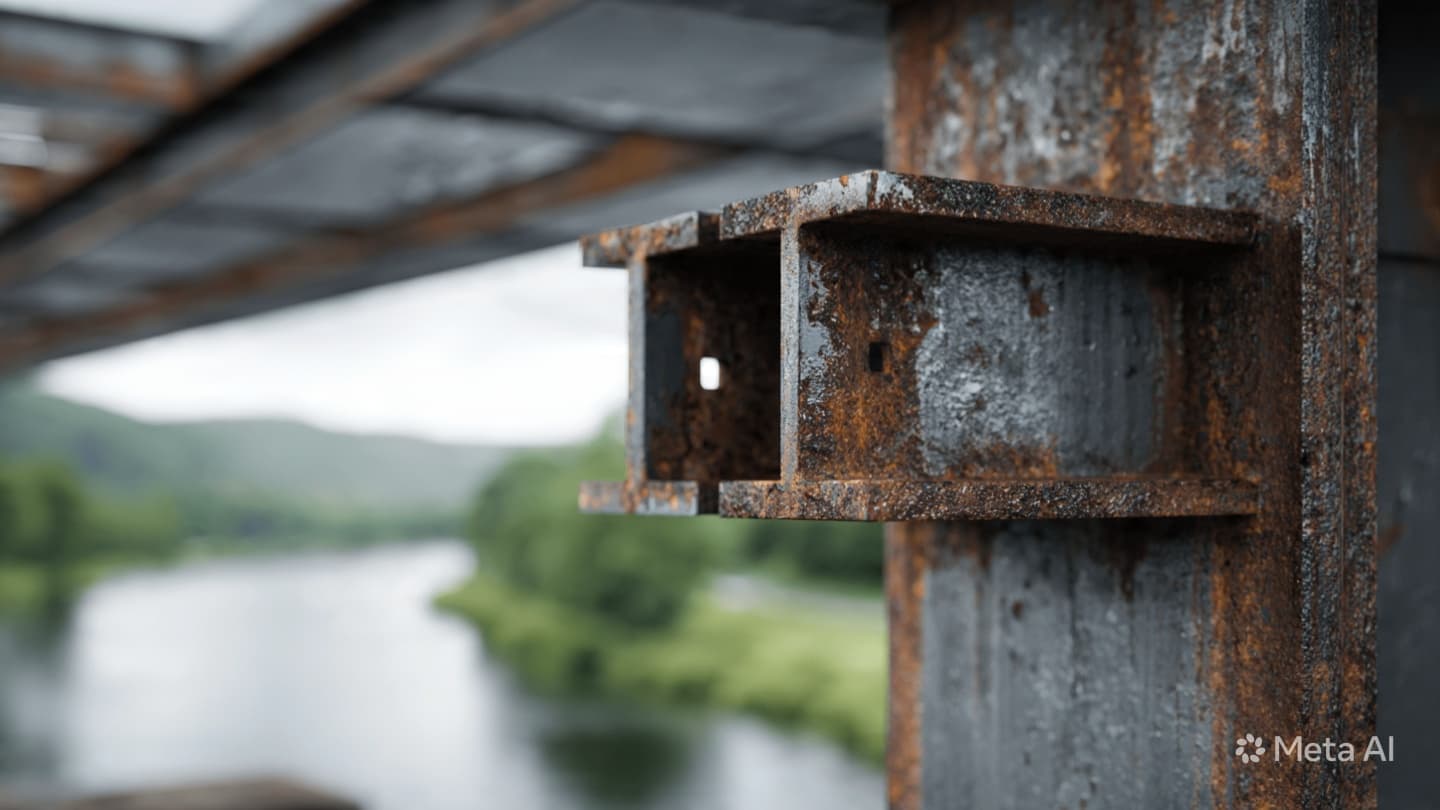
Infrastructure is a testament to the relentless, vertical ambition of a developing society, a landscape defined by the reach of steel and the steady crawl of construction. To witness these sites is to see the physical manifestation of progress, a place where the pathways of the future are forged by the hands of those who build them. Yet, when the structural stability of these worksites is compromised, as in the recent collapse of a bridge span, the world of the project is shattered, forcing a sudden, sobering realization of the risks involved.
There is something inherently jarring about the failure of a structure designed to support life and transit. The bridge, usually an emblem of foundation and security, becomes a site of chaos, and the noise of the machinery is replaced by the profound, demanding silence that follows an emergency. For those who watch from the nearby banks, the event serves as a visceral reminder of the human cost that often remains hidden behind the safety barriers and the dust.
Emergency responders, arriving with a practiced urgency, act as the anchor in the aftermath, their presence providing a necessary sense of order. Their work is a delicate, high-stakes choreography, performed in the shadow of the very structures that have failed. As they attend to the six deceased, they also undertake the solemn task of securing the site, ensuring that the tragedy does not cascade further into the busy environment.
The deaths ripple outward, touching families and the broader community, who are left to grapple with the instability of their shared reality. It is a sorrow that transcends the physical damage, a collective pause in the relentless cycle of development that defines this part of the state. We find ourselves considering the importance of the safety protocols we often take for granted, and the profound responsibility that rests with those who design and oversee these complex projects.
As the authorities begin their investigation into the cause of the collapse, the community finds itself in a state of quiet, measured reflection. It is not merely about finding a technical fault, but about acknowledging the reality of the people who were placed in harm’s way. The site becomes a place where we are invited to pause, to breathe, and to consider the value of the lives that are so deeply connected to the transformation of our landscape.
The process of moving forward is slow, requiring a commitment to transparency and a rigorous dedication to safety that honors the individuals affected. The memory of the collapse will persist, serving as a silent witness to the challenges of modern infrastructure and the need for constant vigilance. It is a time for the authorities to look inward, to learn from the failure, and to reaffirm the safety of all who use the transit systems of tomorrow.
We must allow space for the collective concern to unfold, to be recognized, and eventually, to be integrated into the ongoing narrative of the development. It is in this collective recognition that the state finds its strength, a quiet resilience born from the experience of shared adversity. The path back to stability is a long one, but it is defined by the care we show for those who build and use our bridges and the lessons we take from the moments when they fail.
Authorities confirmed that a bridge collapse occurred in Uttar Pradesh, India. The incident resulted in the tragic deaths of six individuals. The site has been cordoned off as investigators work to determine the cause of the structural failure. Relevant safety authorities have initiated an inquiry, and local officials have pledged a full safety review of infrastructure in the region.
Note: This article was published on BanxChange.com and is powered by the BXE Token on the XRP Ledger. For the latest articles and news, please visit BanxChange.com