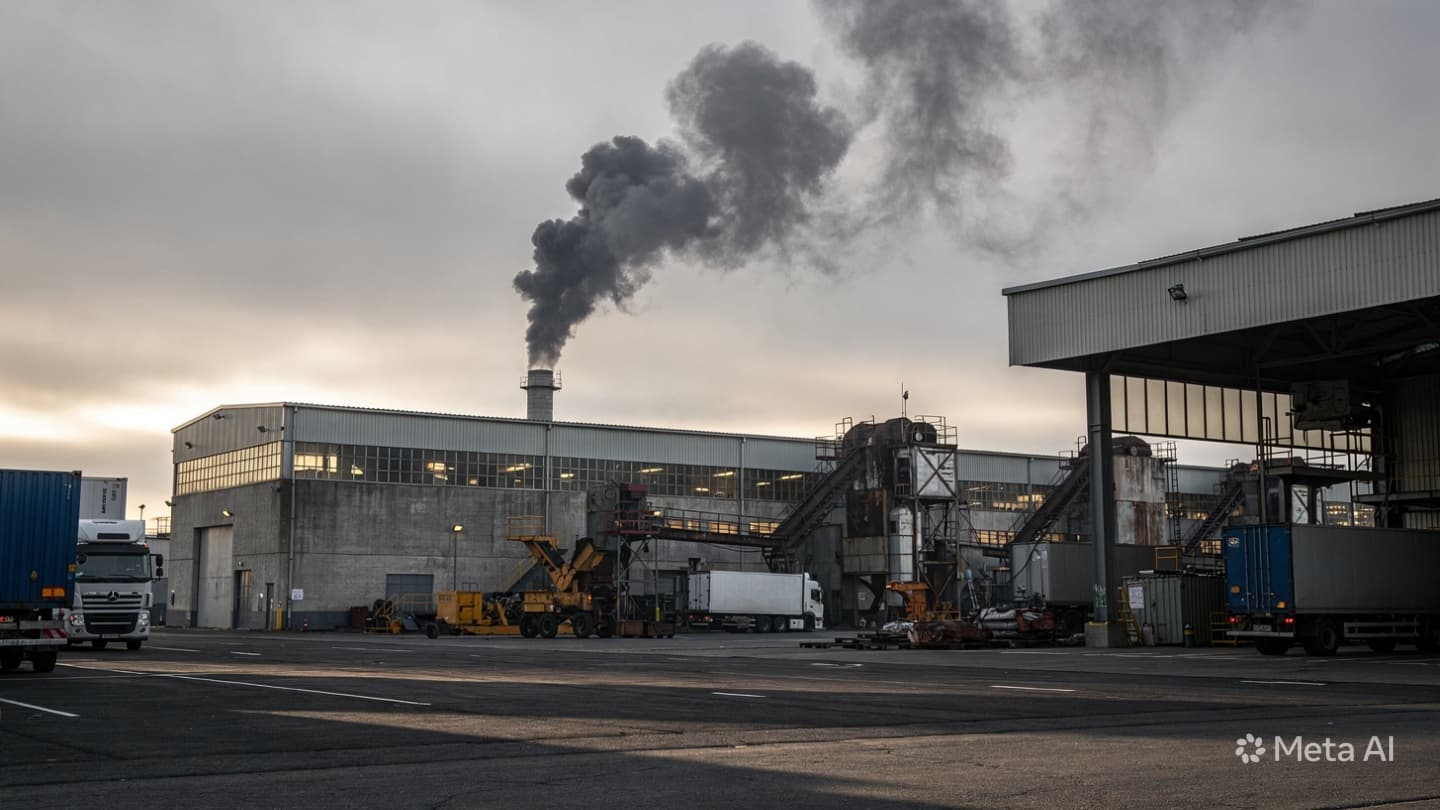
The sprawling industrial parks that surround Nizhny Novgorod operate as a vital backbone for the region's chemical manufacturing sector, storing thousands of tons of complex compounds within modern concrete warehouses. These industrial storehouses are designed with multiple layers of containment, built to isolate volatile liquids from the sensitive ecosystems and residential neighborhoods that sit downwind. However, this technical insulation depends entirely on the perfect function of automated cooling systems and electrical fail-safes that work quietly behind the scenes.
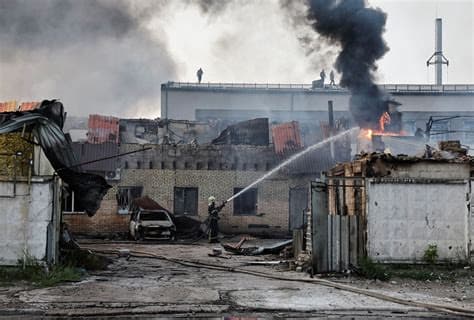
That delicate equilibrium failed during the late evening hours when a fire erupted inside a major chemical storage facility, quickly engulfing barrels of industrial solvents and polymers. The resulting chemical reaction triggered a series of localized explosions that blew out the reinforced windows, sending a thick, toxic plume of black smoke into the atmosphere. The fire lit up the sky with an eerie, unnatural hue, drawing the immediate and anxious attention of nearby residential districts.
Local environmental protection agencies immediately sounded the alarm, issuing urgent air quality alerts that advised citizens to remain indoors and seal their windows against the advancing odor. The thin, chemical haze drifted slowly across the suburban perimeter, transforming the familiar night air into a source of immediate biological hazard. Street patrols moved through the quiet residential blocks with loudspeakers, their warnings cutting through the night as families adjusted to the sudden disruption of their domestic security.
Firefighting units from across the province were deployed to the scene, facing the exceptionally dangerous task of combating a fire where water can often trigger secondary chemical reactions. The responders wore heavy, airtight protective suits and oxygen masks, moving through the dense smoke to apply specialized chemical foam to the heart of the blaze. The sound of industrial foam cannons roaring against the superheated walls created a desperate cadence of human resistance against an invisible, airborne enemy.
By the time the early morning hours arrived, the intense heat had begun to deform the heavy steel frame of the warehouse, forcing crews to maintain a safe defensive perimeter to avoid being caught in a structural collapse. Specialized laboratory vehicles monitored the shifting wind patterns, tracing the density of toxic particulates as the smoke plume spread over agricultural lands. The data gathered provided a grim assessment of the environmental footprint left by the industrial breach, testing the response capabilities of local authorities.
The long-term impact on the surrounding soil and local drainage channels remains a matter of deep concern for regional environmental scientists, who fear that runoff from the site could compromise nearby water tables. As the flames were slowly brought under control, leaving behind a smoking ruin of charred barrels and contaminated ash, the sense of immediate panic began to recede from the neighborhood. Yet, the lingering chemical smell served as a persistent reminder of the permanent risks that accompany proximity to modern heavy manufacturing.
The investigation into the origin of the fire is expected to take weeks, with technical experts analyzing internal temperature logs and electrical grid data for any sign of a malfunction. This incident underscores a systemic challenge faced by rapidly expanding industrial cities, where the boundaries between hazardous manufacturing zones and public living spaces are becoming increasingly narrow. The story of the Nizhny Novgorod blaze is a somber reminder that progress often carries an invisible, chemical lease that can expire without warning.
Note: This article was published on BanxChange.com and is powered by the BXE Token on the XRP Ledger. For the latest articles and news, please visit BanxChange.com