
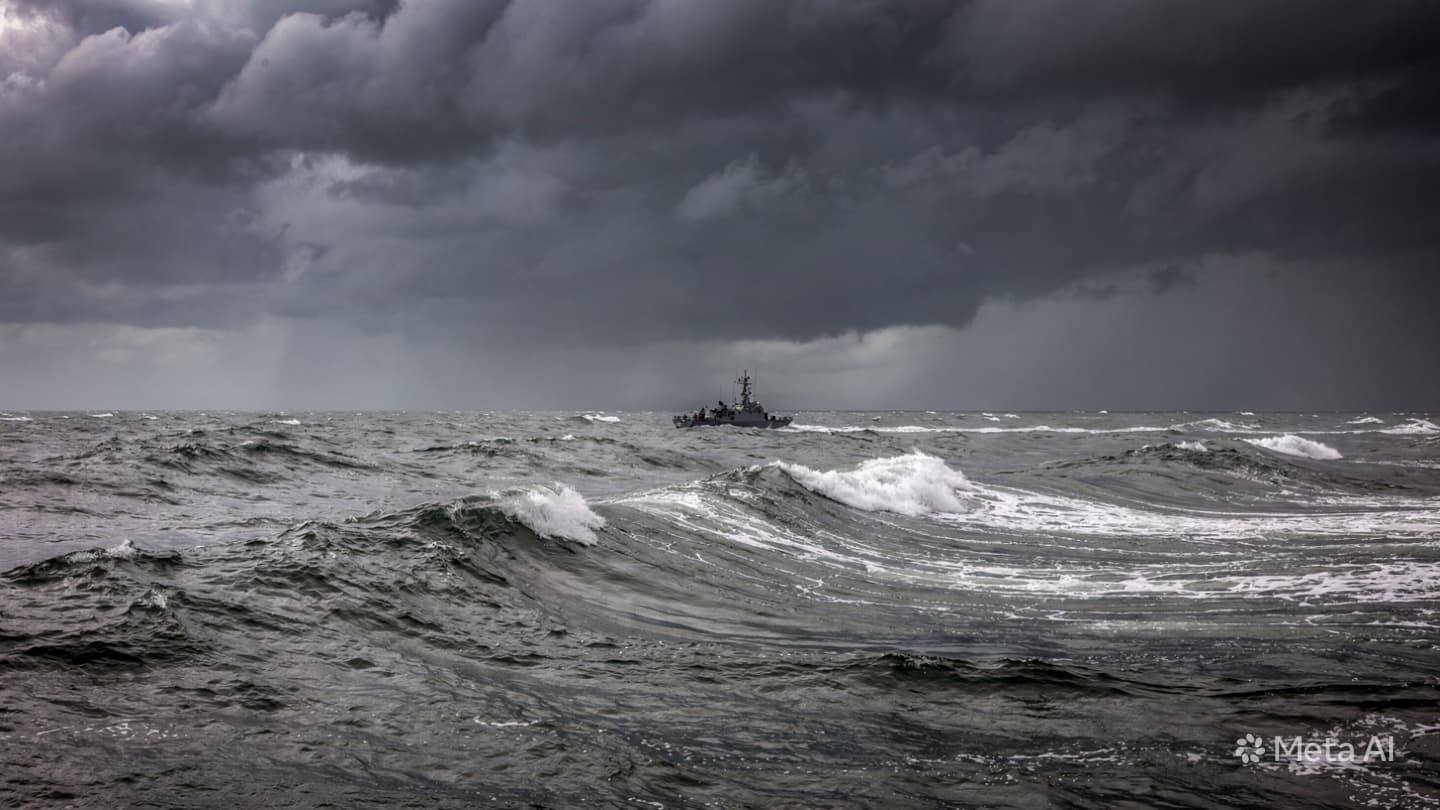
The Caspian Sea has long dictated the quiet, daily rhythms of the communities that dot its sprawling western coastline, offering a vast highway of commerce and a historic source of livelihood to generation after generation of fishermen. Yet, this landlocked expanse of water carries an ancient volatility, where sudden atmospheric pressure changes can transform a calm, glassy surface into a chaotic labyrinth of gray waves within a matter of minutes. It was this sudden elemental shift that caught a small, wooden fishing vessel entirely unprepared during a routine outing, overturning the craft and pitching its two-man crew into the cold, churning water far from the safety of the harbor.
When the small vessel failed to return to its home port at the designated twilight hour, an invisible wave of anxiety rippled through the close-knit coastal village, prompting an immediate notification to emergency maritime authorities. Coastal search teams and local volunteer mariners mobilized under a dark, wind-whipped canopy of clouds, setting out into the gathering gloom with only high-powered spotlights and a shared sense of communal duty to guide them. The early hours of the search were marked by a heavy, thick silence on land, as families gathered on the stone piers, watching the distant, flickering beams of light trace the rising swells.
The search operation proceeded with a methodical, desperate patience, as rescue coordinators mapped the erratic coastal currents to predict where the disabled craft and its crew might have drifted as the storm deepened. For hours, the vast expanse of the Caspian seemed to offer nothing but empty valleys of dark water and blowing spray, testing the endurance and the resolve of the rescue crews navigating the choppy sea. Every piece of floating marine debris caught by the spotlights brought a momentary surge of adrenaline, followed by the somber realization that the vastness of the water was hiding the men.
It was during the pale, cold hours of the early morning that a coastal patrol vessel finally spotted the overturned hull of the fishing boat, its white fiberglass bottom glinting weakly through the mist like a breaking wave. Miraculously, the two missing fishermen were discovered clinging to the exposed keel of their vessel, their bodies numbed by hours of exposure to the biting wind and cold water but their grip unyielding despite their exhaustion. The rescue crew moved with practiced, clinical efficiency, tossing lifelines and maneuvering their larger craft alongside the slick hull to pull the men from the edge of the dark depths.
Once securely on board the rescue vessel, the two mariners were immediately wrapped in thermal blankets and treated for severe hypothermia by onboard medical personnel as the ship turned its bow back toward the lights of the mainland. The journey back to the harbor was a quiet progression through receding waves, a stark contrast to the frantic uncertainty that had defined the preceding night. On the docks, the crowd that had waited through the cold night erupted into an understated murmur of relief as the hull of the patrol boat emerged safely from the coastal fog.
The survival of the two men is being described by local maritime experts as a profound testament to both human physical endurance and the flawless coordination of the regional emergency services. An incident of this nature underscores the permanent, structural risks inherent to the maritime trade, where the boundary between a standard workday and a life-threatening emergency remains exceptionally narrow. As the fishing vessel was towed back toward the shallows for technical inspection, the coastal village slowly returned to its quiet routine, carrying a renewed respect for the unpredictable waters that sustain them.
Note: This article was published on BanxChange.com and is powered by the BXE Token on the XRP Ledger. For the latest articles and news, please visit BanxChange.com