
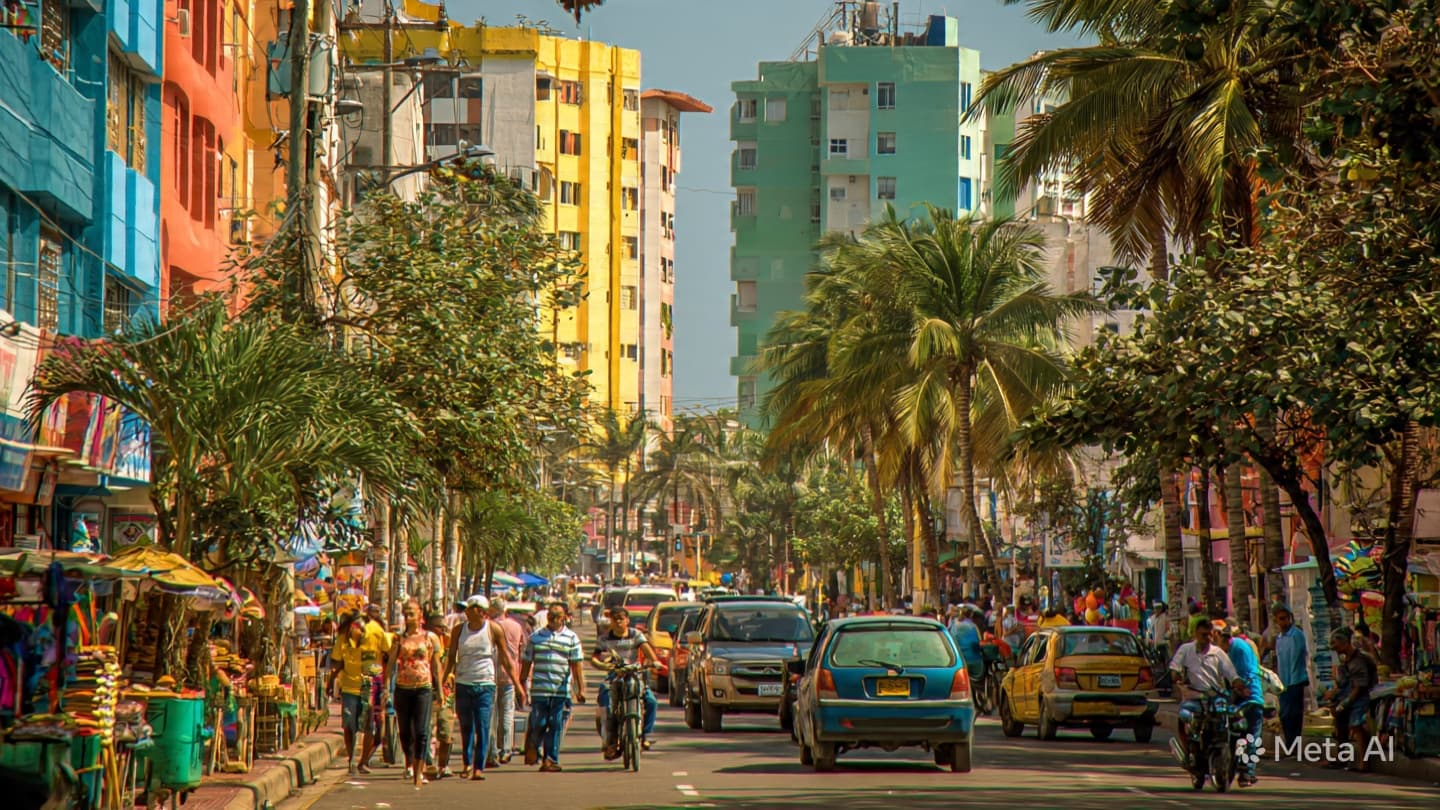
The streets of Barranquilla are usually alive with the warmth and vibrancy of the Caribbean, a city that breathes with the pulse of commerce and the joyous movement of its people. But even here, in the heart of this coastal hub, a darker reality periodically breaks the surface. When rival street gangs clash over the control of drug trafficking routes, the resulting shootout is a sudden, violent eruption that leaves bystanders in the crossfire and a neighborhood forced to grapple with the intrusion of organized crime into their daily lives.
Three lives have been taken in the latest flare-up of this territorial conflict, a reminder that the struggle for influence in the local drug trade is a constant, simmering pressure on the city’s stability. The loss of these individuals is a tragedy that ripples through the community, turning a typical urban corner into a scene of mourning and inquiry. It is a manifestation of the deeper, often invisible networks that operate beneath the facade of the city’s bustling, festive character, and a call to examine the cost of this unchecked competition.
Reflecting on the nature of these clashes reveals the complexity of urban security in a city that is a vital port and a center of commerce. The competition for local control is not merely a matter of criminal ambition; it is a battle for the avenues of transit that define the city’s economic life. When these conduits are contested, the violence inevitably spills into the public sphere, impacting the very people who seek only to navigate their city in peace. The bystanders who fall are the unintended victims of a conflict that exists entirely outside their own world.
To walk the streets of Barranquilla after such an event is to feel the shift in the city’s atmosphere. There is a collective, quiet resilience as the neighborhood attempts to resume its rhythm, yet there is also a pervasive sense of caution. The tragedy serves as a catalyst for a broader dialogue about the need for a more sustained, integrated approach to policing—one that moves beyond the immediate response to a shootout and addresses the root causes of the gang presence and the allure of the illegal economy.
The city’s leaders are tasked with the difficult challenge of balancing the promotion of a dynamic, international image with the reality of internal security threats. It is a work that requires a deep, ongoing engagement with the community, ensuring that the local voices are heard and that the solutions are rooted in the specific needs of the neighborhoods where the tension is highest. The hope is to reclaim the street corner as a space for public life rather than a battlefield for illicit influence.
As the authorities move forward with their investigations, the memory of the three who were lost remains a powerful, silent push for a safer city. Their absence is a reminder that the cost of inaction is measured in the lives of the innocent. In the end, the resilience of Barranquilla’s inhabitants, their determination to keep their city open and vibrant, is the most profound counter-narrative to the violence that seeks to fracture it. It is a city that continues to build, to grow, and to look toward a future where the peace of the street is finally a permanent, unthreatened reality.
Local police confirmed that three people were killed during a violent confrontation between rival street gangs vying for control over drug turf in a residential district of Barranquilla. The shootout erupted in a high-traffic area, causing a sudden panic and resulting in fatalities among the local population. Security units have been deployed to the sector to establish order and begin a detailed investigation into the gangs involved. City officials have announced a series of new enforcement measures aimed at curbing the resurgence of localized drug trafficking violence.
Note: This article was published on BanxChange.com and is powered by the BXE Token on the XRP Ledger. For the latest articles and news, please visit BanxChange.com