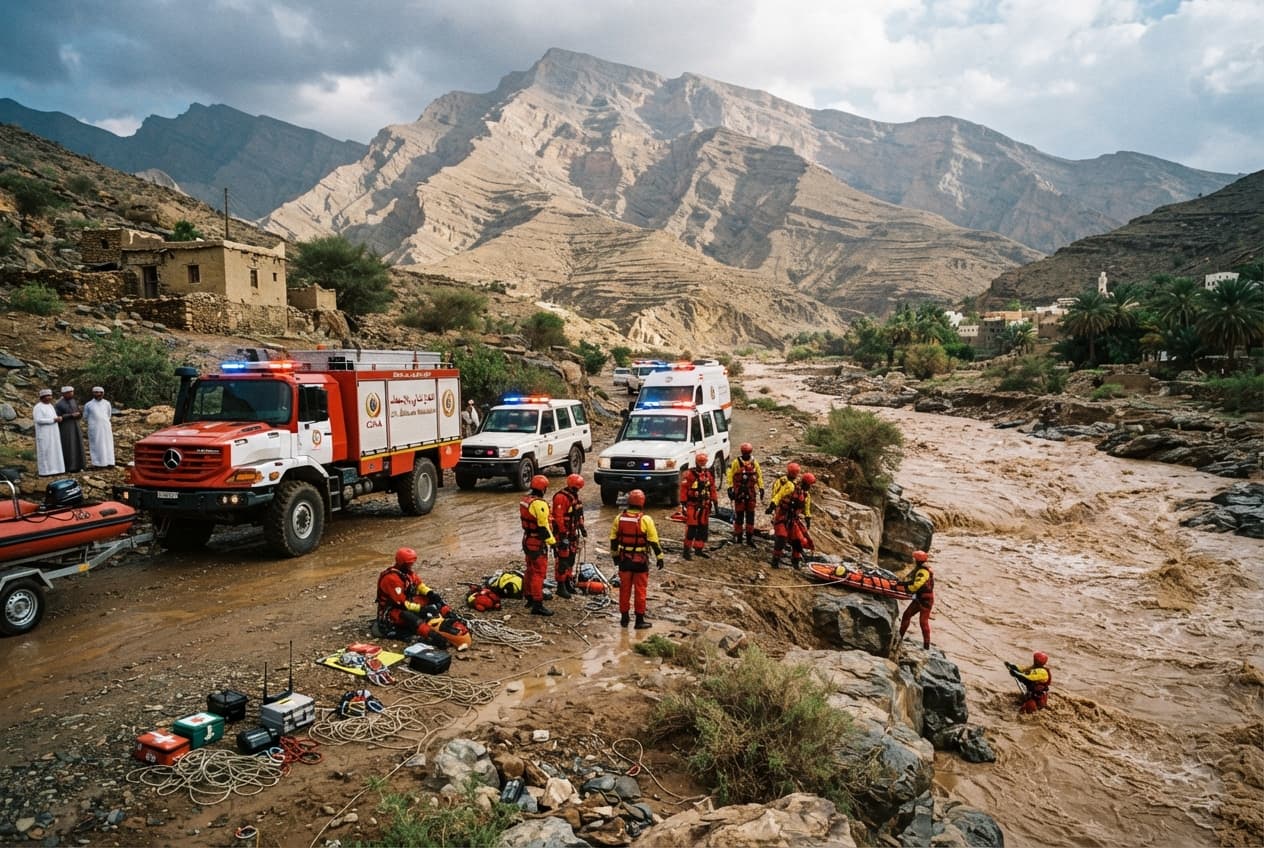
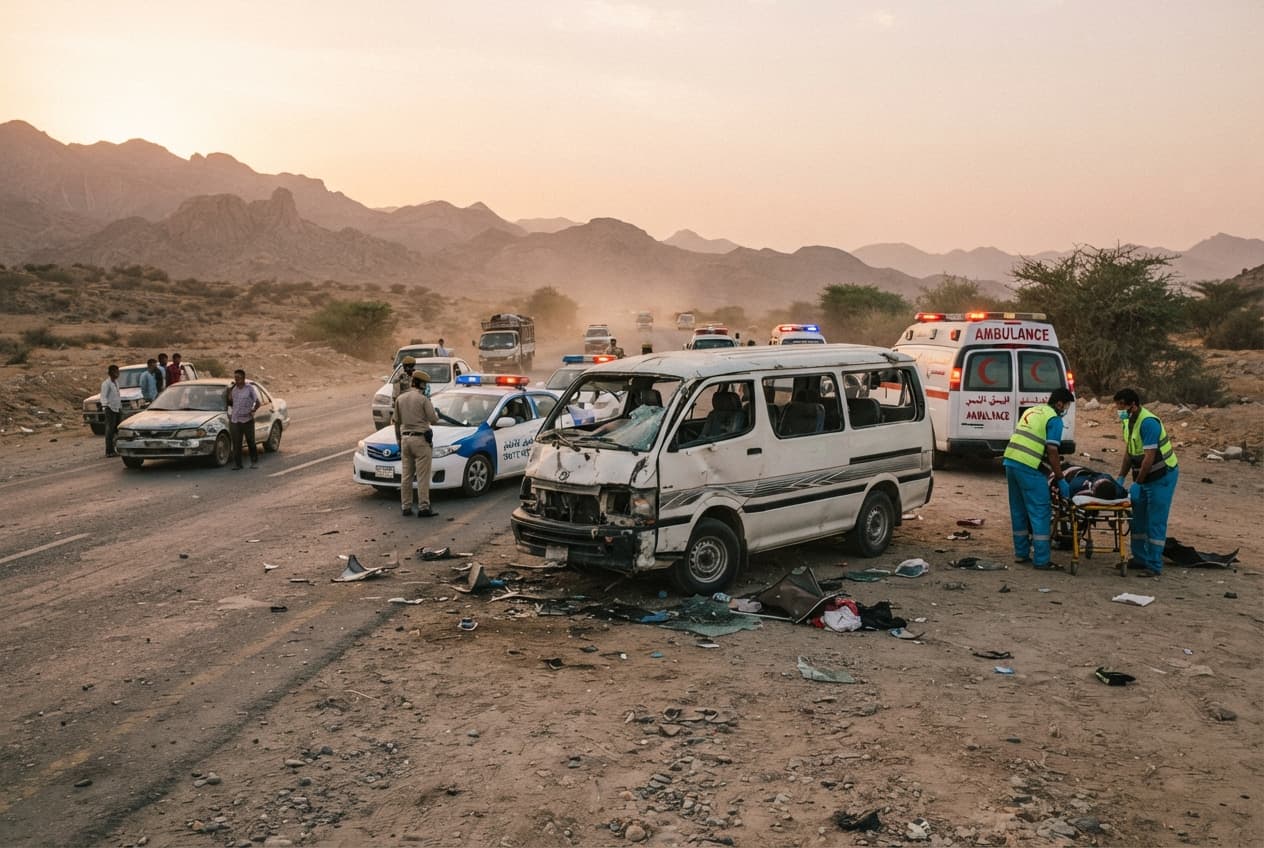
The annual reports issued from the concrete chambers of the central statistical offices are usually dry collections of figures, columns of numbers that trace the ordinary economic life of a changing nation. But when the winter seasons grow more severe and the storms change their traditional paths, those cold ledger lines begin to carry a heavier, more human significance. The latest data reveals a clear and concerning trajectory, mapping a sharp annual increase in both fatal accidents and large-scale natural disruptions across the provinces.
To look at the changing trends of natural disasters is to see how modern development continues to collide with the raw, traditional realities of the northern climate. The growth of transit networks and the increased movement of populations between the capital and the rural districts mean that more lives are exposed to the sudden volatility of the weather. A blizzard that once only affected isolated herders now touches columns of vehicles, commercial supply lines, and the complex infrastructure of provincial towns.
The numbers detail a complex tapestry of loss—not just the immediate fatalities caused by extreme cold or highway collisions, but the gradual, structural erosion of agricultural wealth through livestock mortality. Each percentage point increase in the disaster register represents families uprooted from their traditional pastures, municipal budgets diverted to emergency fuel distribution, and hospitals operating beyond their normal parameters. The statistics do not create the crisis, but they give it a form that cannot be ignored by the planners.
Within the administrative offices, the publication of these figures prompts a quiet, reflective reassessment of how the state prepares for the inevitably difficult winters ahead. The older methods of disaster response, which relied heavily on localized self-reliance and the traditional wisdom of the steppe, are being forced to adapt to a landscape where the events are larger and less predictable. The ledger demands a more systematic investment in early warning systems, sturdy roadside shelters, and heavy rescue machinery.
For the citizens who live out their lives on the open range, the rising numbers in the official reports are not a surprise, but rather a formal confirmation of what they have observed outside their doorways for several seasons. They know that the ice is thicker, the wind is sharper, and the margins between a normal winter and a devastating event have grown uncomfortably thin. This shared awareness creates a subdued atmosphere in the community gatherings, a realization that the old patterns are shifting.
The compilation of this annual data is a slow, meticulous process, requiring inputs from remote weather stations, rural clinics, and highway patrol units scattered across thousands of miles of wilderness. When the pieces are finally brought together in the capital, they offer a panoramic view of a territory’s vulnerability, a document that serves as both a historical record of a difficult year and a warning for the next.
The work of counting the losses proceeds quietly beneath the high, pale sky of the capital, while out on the steppe, the elements continue their ancient, indifferent movements across the snow.
In the comprehensive annual review published by the National Statistical Office, data indicates a significant year-over-year increase in fatal accidents and natural disaster incidents nationwide. The report attributes the rising figures to the exceptional severity of recent weather anomalies and the increased volume of winter transit across vulnerable corridors. Administrative departments are utilizing the consolidated data to restructure regional emergency funding and reinforce public safety infrastructure ahead of upcoming seasonal shifts.
Published by Banx Network. This article is part of the Banx decentralized media programme, powered by the BXE token on the XRP Ledger.