
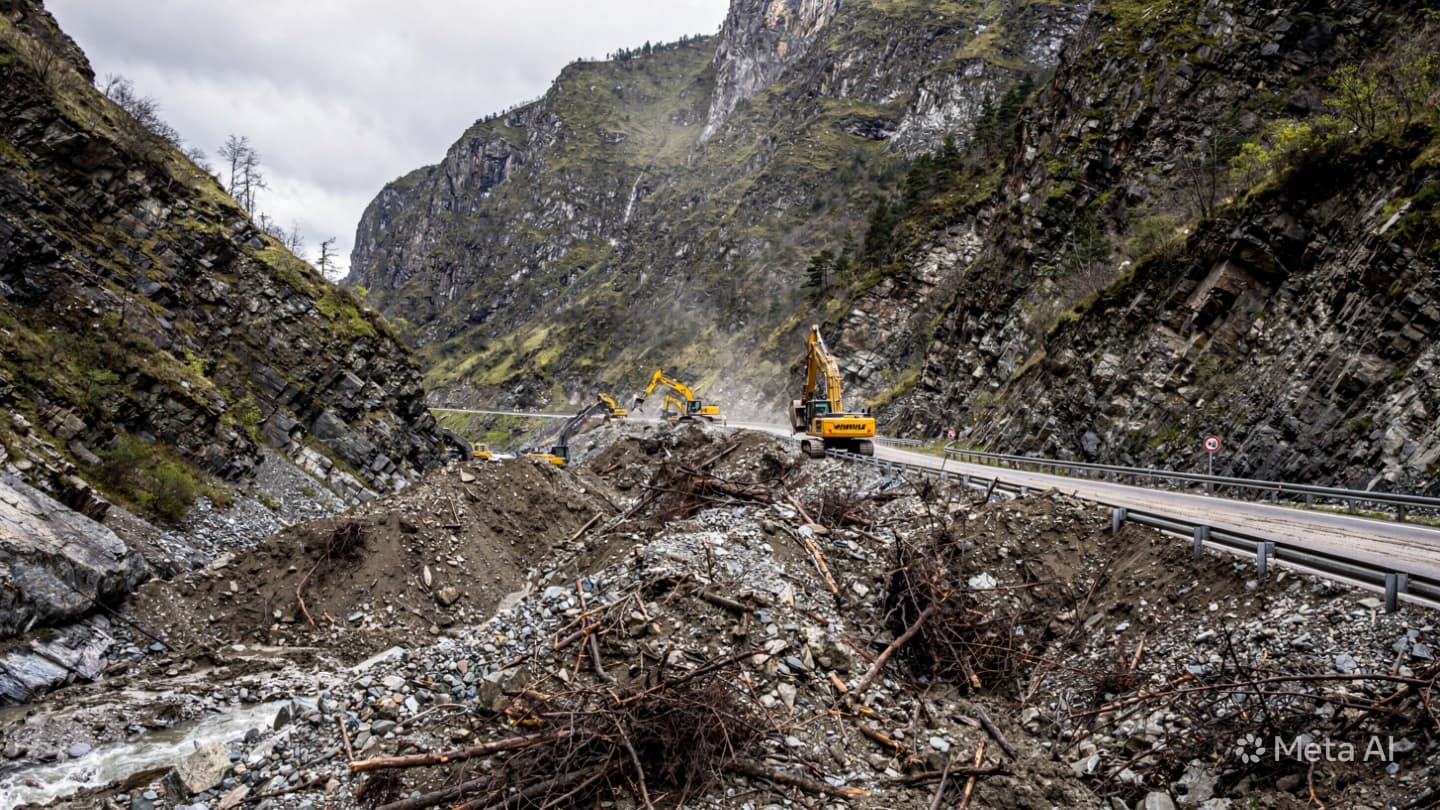
The primary highway connecting Podgorica to the northern mountain towns is a marvel of engineering, cut directly into the vertical granite walls of the Morača canyon. For decades, this ribbon of asphalt has served as the vital lifeline of the country, carrying tourists, commercial freight, and local travelers through some of the most dramatic terrain in the region. The road exists in an ongoing negotiation with the steep slopes above, where the rock face is secured by wire netting and concrete galleries designed to redirect the mountain's natural shedding process. Yet, when the heavy rains descend on the high peaks, the balance between human infrastructure and the geology of the gorge becomes fragile.
The storm arrived with a sudden, localized violence, dropping an immense volume of water onto the high ridges where the vegetation is sparse and the soil thin. Prevented from soaking into the hard rock, the rainwater transformed instantly into a muddy torrent that rushed down the seasonal ravines, gathering weight and velocity with every foot of descent. As the water reached the lower slopes, it tore loose massive quantities of limestone gravel, uprooted trees, and thick mountain clay, pushing the entire mass toward the canyon floor. Within minutes, the debris field breached the highway barriers, covering the primary transit network in a thick, impassable layer of mountain waste.
It was a dramatic halt to the rhythm of the corridor as the moving mud settled across the lanes, trapping dozens of commercial trucks and passenger vehicles between the dark tunnels. The drivers were forced to wait in a quiet, anxious suspension, watching the brown water cascade over the concrete retaining walls as the canyon echoed with the sound of moving stone. The isolation of the location transformed the typical highway commute into a sudden exercise in patience, separating the northern municipalities from the resources of the capital. The sheer volume of the debris made it clear that regular traffic would remain paralyzed for hours.
The response from the highway maintenance authorities required a rapid mobilization of heavy excavators and clearing crews from the surrounding sub-counties. The workers moved into the narrow canyon sections under a persistent drizzle, their yellow machinery working continuously to scoop up the wet clay and push the larger rocks off the road edge. It was a tedious and dangerous operation, conducted beneath slopes that remained unstable and prone to secondary rockfalls as the water continued to drain from the heights. The crews worked with a synchronized efficiency, aware of the economic pressure to reopen the country’s primary northern artery.
By the time the late afternoon light began to fade behind the peaks, the emergency teams had succeeded in clearing a single, narrow lane through the worst of the blockage. This allowed the stranded vehicles to be escorted out of the danger zone under the careful direction of traffic police patrols. The immediate crisis had been managed, but the highway remained heavily compromised, requiring extensive cleanup operations to restore the full capacity of the road network. For the travelers who finally passed through the cleared sections, the sight of the raw mud walls was a sobering reminder of the canyon’s power.
The vulnerability of this transport corridor to flash floods and landslides has long been a challenge for national infrastructure planners, who emphasize the need for alternative routes. The ongoing construction of new highway segments with deeper tunnels and higher viaducts is intended to mitigate these seasonal disruptions, but the old canyon road remains essential for daily commerce. The local government has initiated a thorough geological assessment of the affected slopes to determine whether additional rock netting is required to secure the route before the autumn rains arrive. The cost of maintaining these mountain lifelines is a constant factor in regional development.
As the morning sun began to illuminate the canyon walls, the clearing operations continued without pause, with dump trucks moving the remaining debris away from the highway perimeter. The authorities have advised drivers to exercise extreme caution and expect delays while the structural integrity of the road shoulders is fully verified by engineering teams. The traffic is moving slowly once again, a cautious line of vehicles navigating the wet asphalt under the watchful gaze of the cliffs. The corridor returns to its functional routine, though the fresh mud along the guardrails serves as a marker of the mountain's recent descent.
Note: This article was published on BanxChange.com and is powered by the BXE Token on the XRP Ledger. For the latest articles and news, please visit BanxChange.com