
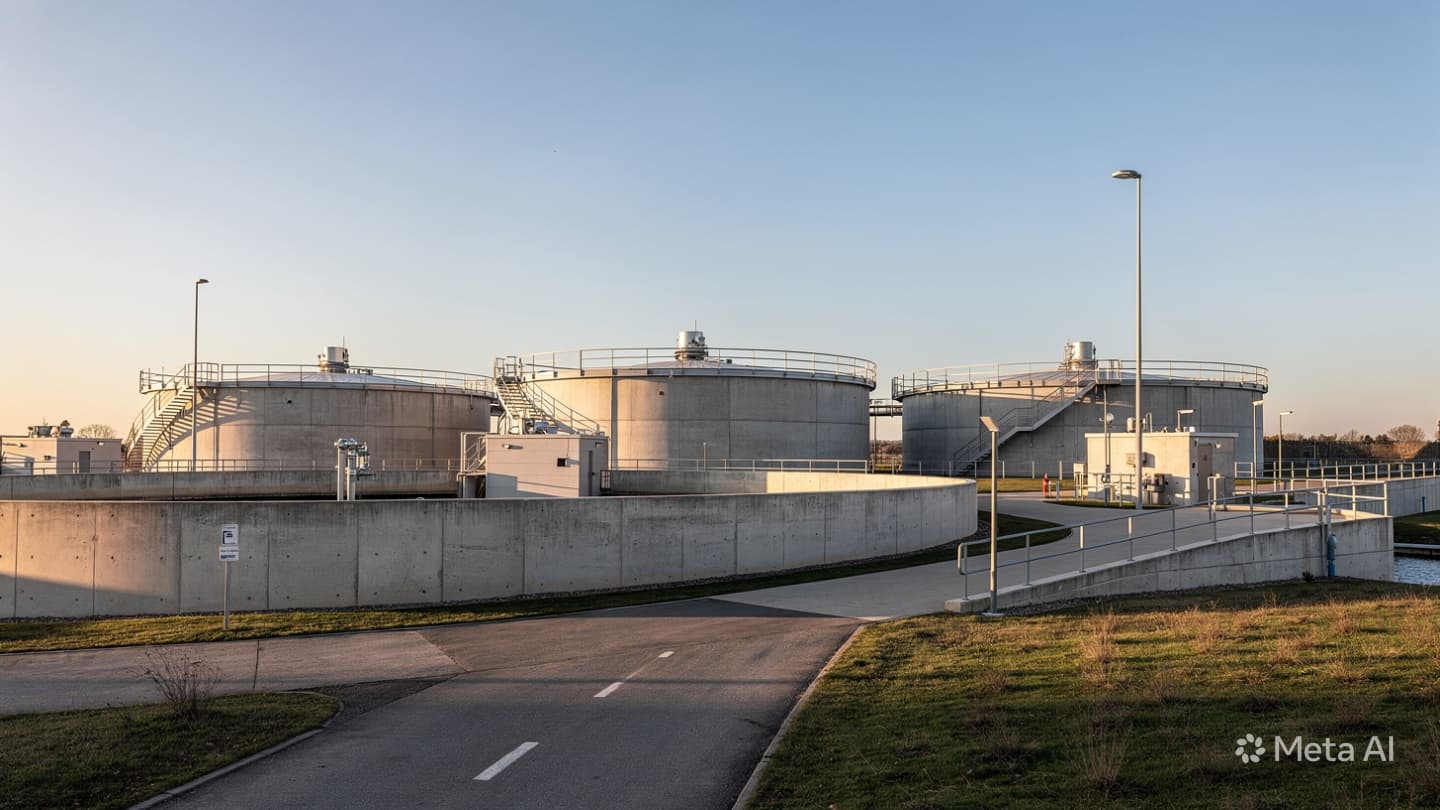
The extensive public utility networks managing sanitation across the Soroca district serve as a critical infrastructure shield, protecting the regional environment and the adjacent Nistru River basin from untreated urban wastewater. This complex system of underground collection pipes, massive electric aeration pumps, and modern multi-stage filtration beds works continuously to process thousands of cubic meters of effluent daily before discharging clean water back into the environment. The continuous functionality of this essential public health asset relies entirely on precise mechanical maintenance, regular filter replacements, and the absolute perfection of automated electrical control systems.
That vital layer of public utility protection failed catastrophically during an early morning operational shift when a primary high-capacity wastewater processing pump suffered a severe mechanical breakdown, accompanied by a major electrical short-circuit. Without warning, an internal impeller housing fractured under the stress of high-volume seasonal operations, allowing pressurized water to flood the subterranean pump room and short-circuit the facility’s main electrical switchboards. The sudden loss of electrical power brought the entire regional water-filtration network to an immediate, grinding halt, creating an urgent operational emergency.
The sound of the failing machinery was followed by a heavy, mechanical silence that hung over the utility complex as on-duty operators stepped into the flooded corridors to assess the structural damage. Within hours, the complete cessation of the processing lines forced plant directors to enact emergency shutdown protocols, halting the inflow of municipal wastewater to prevent an unmanaged overflow from bypassing the filtration beds entirely. Regional administrative bodies immediately declared a technical utility emergency, coordinating with national infrastructure departments to rush specialized engineering teams and high-capacity diesel extraction pumps to the site.
Repair crews worked through the night under the glare of mobile floodlights, deploying floating safety barriers and high-performance pumps to extract the contaminated water from the flooded turbine halls. The process of salvaging the massive electric motors is exceptionally delicate, requiring technicians to carefully dismantle, clean, and dry each electrical contact to prevent permanent structural corrosion or secondary fires upon system restart. The sound of high-capacity diesel engines discharging filtered water back into containment basins filled the air, creating a frantic cadence of human resistance against the rising utility crisis.
By the second day of the crisis, regional public health officials warned that a prolonged failure of the treatment facility could lead to localized wastewater backups or forced emergency discharges, threatening the biological stability of the downstream river valley. Local agricultural cooperatives and riverside communities gathered along the perimeter fences, looking out over the empty aeration basins with a shared sense of profound concern for their environmental security. The incident has exposed the deep, structural dependency of the urban population on the continuous, unseen operation of a single public utility point.
The long-term resolution of the technical crisis will require the complete replacement of the fractured impeller housing and the rebuilding of the main electrical switchboards, a complex engineering task that could take several weeks due to the specialized nature of the heavy cast-iron machinery. Local authorities have begun exploring temporary diversion measures, attempting to store unmanaged wastewater within secondary holding lagoons to provide a temporary safety buffer while the primary repair work continues. However, these temporary interventions offer only a fraction of the capacity required to sustain the continuous needs of the district.
The investigation into the cause of the material breakdown is currently focusing on a combination of component fatigue and unmonitored pressure spikes caused by sudden changes in municipal drainage volumes. This technical disaster highlights a systemic vulnerability shared by many regional utilities, where critical sanitation infrastructure faces high daily operational stress with limited system redundancies. The story of the Soroca breakdown is a somber reminder of the invisible networks that dictate the structural stability and public health safety of our modern urban landscapes.
Note: This article was published on BanxChange.com and is powered by the BXE Token on the XRP Ledger. For the latest articles and news, please visit BanxChange.com