
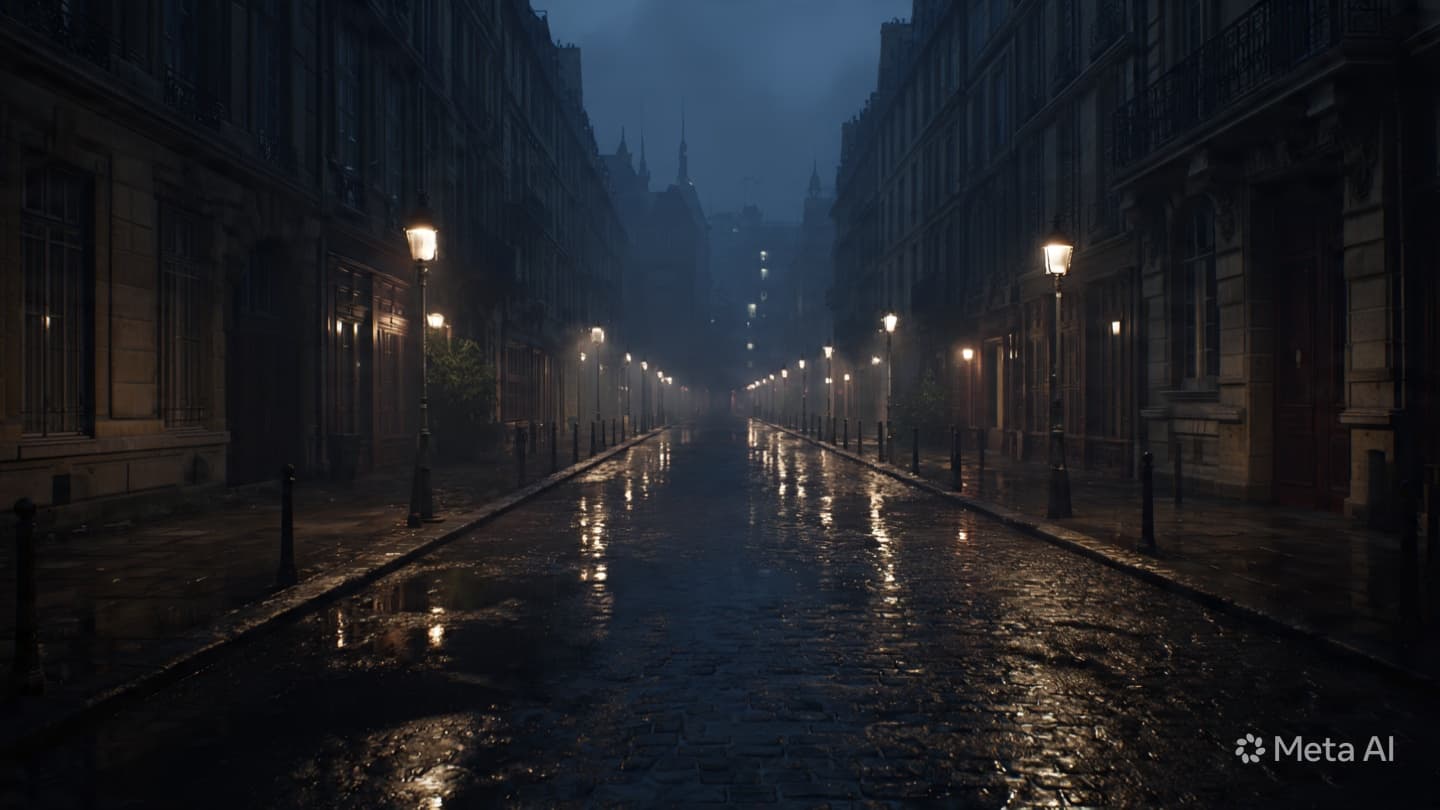
The quiet hours of the morning in Andorra la Vella, when the sharp mountain air typically carries only the faint hum of a sleeping city, are intended to be a transition between the vitality of the evening and the promise of a new day. Yet, there are moments when this silence is pierced by the unpredictable friction of human interaction. When a social gathering in a bar escalates into violence, it leaves behind a narrative of sudden rupture, transforming a space meant for camaraderie into one defined by a knife’s cold, unyielding edge.
Such an event is a disquieting reminder that the boundaries of our civility are thinner than we often like to believe. In the dim light of the early hours, the typical constraints of conduct can fray, pushed aside by the volatile surge of emotion or dispute. To witness such a scene—or even to contemplate it from a distance—is to observe the fragility of the social contract. It forces a reflection on how quickly a moment of leisure can devolve into one of life-altering injury, leaving the city to grapple with the aftermath.
The presence of a weapon, even in the context of an impulsive brawl, fundamentally alters the nature of the encounter. It moves the conflict from the realm of verbal disagreement into the physical sphere of lasting harm. For the two individuals injured in this altercation, the night has left a indelible mark, not merely on their bodies, but on the local perception of safety. It is a sobering development that requires us to reconsider what we know of our own communal spaces and the risks that may exist just behind a closed door.
Authorities tasked with unraveling the event must now sift through the wreckage of the incident, seeking to understand the sequence of choices that led to such an end. It is a methodical, almost clinical process that contrasts sharply with the raw, chaotic energy of the brawl itself. As the investigation moves forward, the police work to reconcile the differing accounts of those present, piecing together the timeline with the hope of establishing a clearer picture of the responsibility involved.
This incident serves as a momentary lens through which to view the deeper, hidden currents of the city. We often perceive Andorra la Vella as a place of stability and quiet commerce, but beneath this surface lies the complex reality of human behavior, capable of sudden, violent expression. The hospital records, the police statements, and the hushed conversations among neighbors all contribute to the record of a night that will be remembered long after the physical wounds have begun to mend.
It is natural to look for a reason, to seek a narrative structure that makes sense of such violence. Yet, often, the truth is found in the absence of a grand design—a simple, tragic escalation that occurs in the absence of restraint. The inquiry continues, grounded in the duty to address the harm and ensure that such occurrences do not become a part of the city’s expected cadence. It is a process of restoration, aiming to reaffirm the standards that keep a community whole.
As the city wakes and the cycle of daily life resumes, the memory of the early morning conflict persists as a quiet, heavy note. It is an invitation to reflect on the nature of our interactions, to be mindful of the tensions that simmer beneath the surface, and to appreciate the fragile calm that we share during the hours of darkness. The investigation serves as the necessary, sober conclusion to a night that strayed far from the peaceful expectations of the valley.
The incident is currently under investigation by local law enforcement. Two victims remain in medical care with non-life-threatening injuries, and authorities continue to collect statements to clarify the circumstances of the altercation.
Note: This article was published on BanxChange.com and is powered by the BXE Token on the XRP Ledger. For the latest articles and news, please visit BanxChange.com