
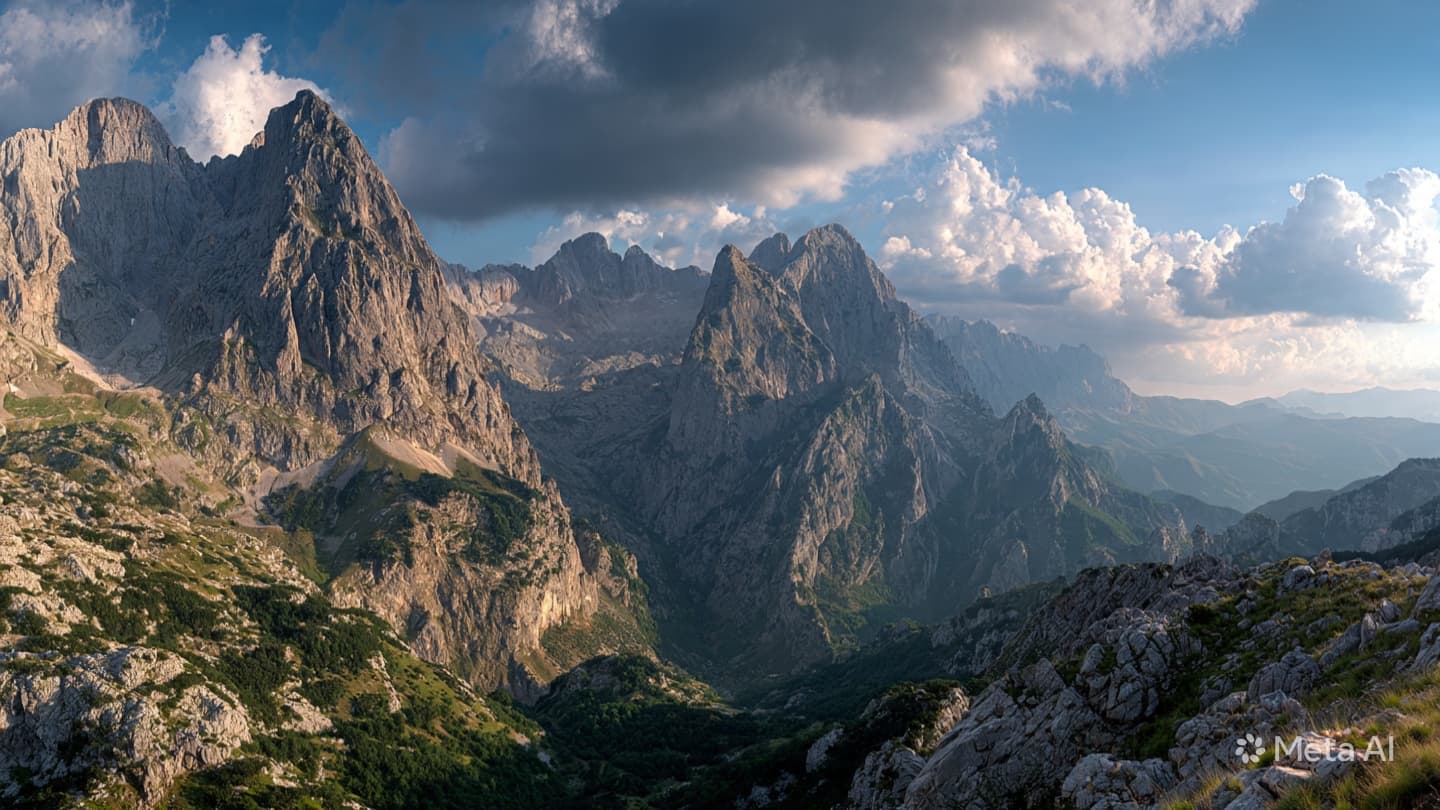
The mountains of northern Albania have long been defined by their jagged silhouettes and the deep, verdant valleys that cradled history for centuries. Here, the landscape does not merely exist; it commands. When a traveler traverses the winding routes near Theth National Park, they enter a realm where the distinction between the majesty of nature and the vulnerability of the human form becomes painfully thin. The earth, in its rugged splendor, provides both a sanctuary for the spirit and a formidable challenge for those who seek to explore its hidden depths.
Hiking is often framed as a pursuit of freedom, a way to shed the constraints of modern existence and re-engage with the primal pulse of the earth. Yet, this freedom carries an inherent weight. Every step taken on a trail—especially one as demanding as those in the Albanian Alps—requires a constant negotiation with gravity, weather, and the physical limits of the body. When a hiker, such as the French national recently involved in a severe incident, loses their footing, the serene beauty of the ravine is instantly transformed into a site of profound uncertainty.
The process of rescue in such high-altitude, inaccessible terrain is a study in quiet determination. It is a slow, methodical operation that pits human ingenuity and physical endurance against the indifference of the wild. Rescuers become the bridge between the solitude of the accident and the safety of civilization, maneuvering through precarious rockfalls and steep, unforgiving descents. Their work is a testament to the instinct to protect life, performed against a backdrop that is as indifferent as it is beautiful.
This incident near Theth draws attention to the intersection of tourism and the raw, untamed reality of the Balkan Alps. As more individuals from across the globe find themselves drawn to these trails, the contrast between the well-prepared mountaineer and the casual adventurer becomes apparent. The mountains, which appear as a beckoning paradise in travel guides, do not calibrate their hazards to the experience levels of those who arrive at their base. The ravine is, in every sense, a reminder of the mountain's permanence.
For the observer, these events offer a moment to reflect on the nature of risk and the allure of the high places. We often seek the wild to find something missing in our day-to-day lives, yet we are rarely prepared for the absolute silence that descends when a accident occurs far from the reach of conventional aid. It is a silence that commands respect, forcing us to consider the fine line between an exhilarating journey and a catastrophic moment of misstep.
The recovery operation, involving teams skilled in navigating the alpine geography, highlights the importance of readiness and the communal effort required to traverse such spaces. It is not merely a matter of equipment or training, but of a shared understanding that, in the high mountains, one is never truly in control. Every successful rescue is a sigh of relief for the entire community of hikers who share these paths, a shared recognition that the mountains demand a humility that is often overlooked in the planning of an excursion.
As the individual is retrieved and the mountain returns to its stoic existence, the trails around Theth remain. They will continue to draw those who seek to climb, to witness the expansive views, and to walk where the air is thin and the sky feels closer. The incident serves as a quiet chapter in the long, ongoing story of human interaction with this landscape—a story marked by the courage of the rescuer and the enduring, sometimes harsh, reality of the path.
The rescue operation was successfully conducted by local specialized teams in the vicinity of Theth National Park. The individual has been recovered and transported to medical facilities for urgent care.
Note: This article was published on BanxChange.com and is powered by the BXE Token on the XRP Ledger. For the latest articles and news, please visit BanxChange.com