
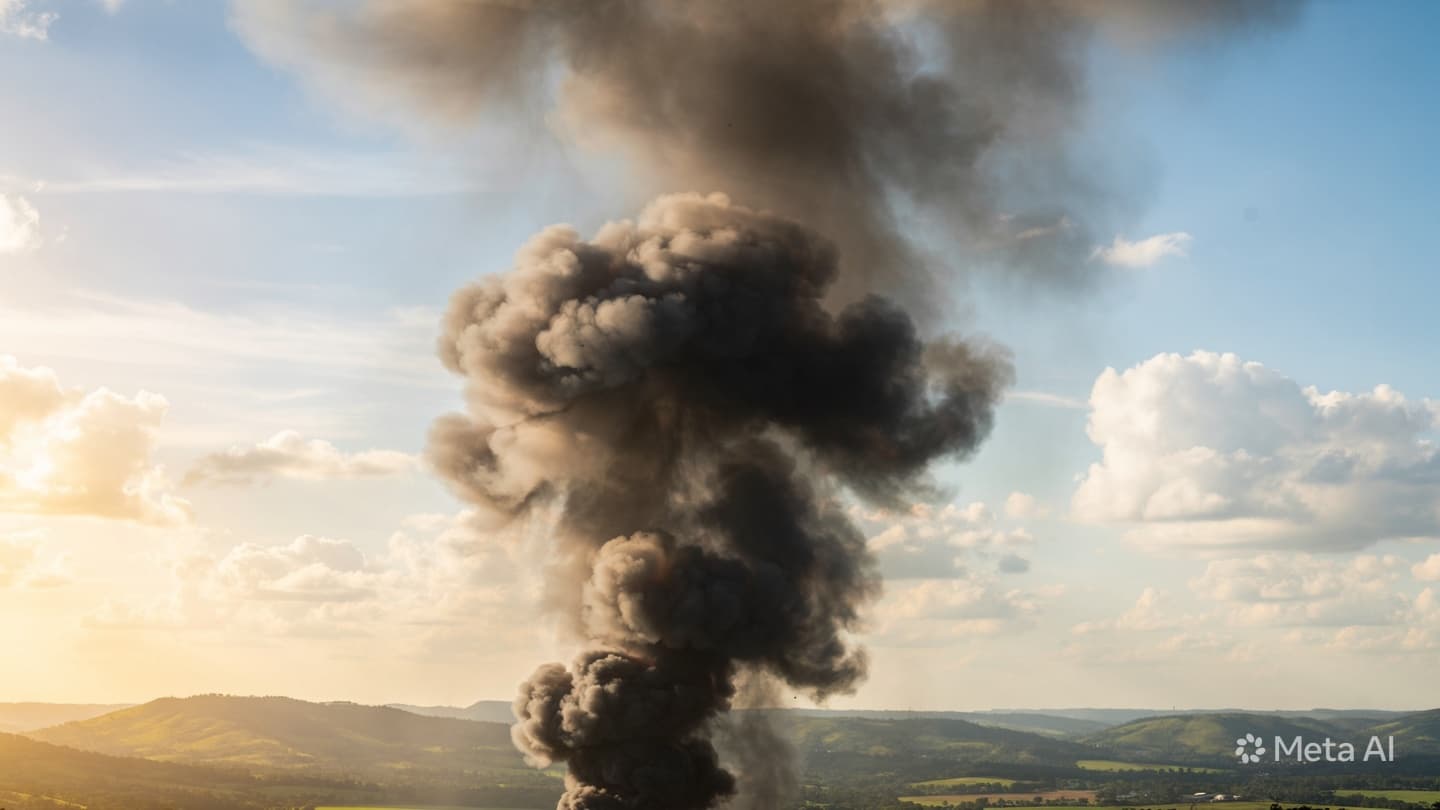
The rural landscape just beyond the perimeter of Bujumbura is typically characterized by a quiet, predictable industry, where small agricultural plots patch the rolling green hillsides. On this particular afternoon, the steady humidity of the region hung low over the fields, muting the distant sounds of the capital and the nearby waters of the lake. It was an hour of ordinary routines, where the earth seemed perfectly still beneath the tropical sun.
Within this calm expanse sat an ammunition depot, a low-slung complex of concrete and earthworks designed to store the heavy remnants of military inventory. For years, the facility had existed as a silent neighbor to the surrounding villages, its presence noted only by the occasional passing of service vehicles along the dirt tracks. The structures were built to endure, hidden behind security fences and high earthen berms that separated them from civilian life.
The transition from absolute stillness to catastrophic disruption occurred in a fraction of a second, shattering the mid-afternoon peace with a violent force. An accidental ignition deep within one of the storage vaults triggered a massive chain reaction, sending a colossal shockwave rippling across the valley. The sound of the initial blast carried for miles, followed immediately by a dark, roiling column of smoke that climbed into the upper atmosphere.
In the immediate vicinity of the depot, the structural integrity of residential dwellings and small shops was instantly compromised by the immense atmospheric pressure. Roofs were torn from their frames and windows shattered inward, showering the interiors with debris before the inhabitants could comprehend the source of the noise. The air became thick with dust and the acrid smell of burnt propellant, obscuring the sun.
As secondary explosions continued to rattle the landscape at irregular intervals, a collective instinct for survival took over the nearby communities. Families fled their damaged homes, moving away from the plume of smoke along the narrow dirt lanes, their faces marked by a mixture of shock and confusion. The local landscape had transformed into an unpredictable zone of flying fragments and intense heat.
Emergency medical teams and military personnel scrambled from the capital, their vehicles navigating the congested outward lanes to establish a triage perimeter. The scale of the destruction required an immediate, coordinated response to tend to those caught in the immediate radius of the shockwave. The local hospital facilities prepared for a sudden influx of individuals requiring urgent surgical attention.
By nightfall, the erratic detonations had finally subsided, leaving behind a glowing, skeletal ruin where the depot had once stood. The surrounding fields were quiet once more, though the silence was now heavy with the weight of loss and the slow drift of ash over the valley. The community gathered in makeshift shelters, looking back toward the darkened horizon with a profound sense of disbelief.
State authorities confirmed that an accidental explosion at a military ammunition depot outside Bujumbura resulted in at least thirteen fatalities and left dozens of others wounded. Emergency services have secured the perimeter to prevent further casualties from unexploded ordnance while investigations into the cause of the fire begin. Medical personnel remain on high alert as recovery efforts continue through the night.
Note: This article was published on BanxChange.com and is powered by the BXE Token on the XRP Ledger. For the latest articles and news, please visit BanxChange.com