
Istanbul is a city where history does not lie buried beneath the earth; it breathes through the modern streets, an inescapable layer of stone, tile, and memory left behind by three successive global empires. Anyone who walks through its old quarters can feel the weight of antiquity in the uneven cobblestones and the fragments of Roman, Byzantine, and Ottoman masonry woven into contemporary retaining walls. This rich archaeological depth has long made the city an epicenter for those who cherish human heritage—but also a prime target for those who wish to commodify it for private gain.
Deep within the shadowed alleyways and unmarked basements of the ancient metropolis, an illicit trade operates in complete secrecy, feeding an insatiable international market for antiquities. Smuggling rings utilize networks of black-market excavators and clandestine brokers to strip historic sites of their artifacts, preparing ancient coins, marble busts, and ritual pottery for illegal export. To see these pieces pulled from their context and wrapped in crude bubble wrap inside shipping crates is to witness a quiet, systematic theft of a nation's collective memory.
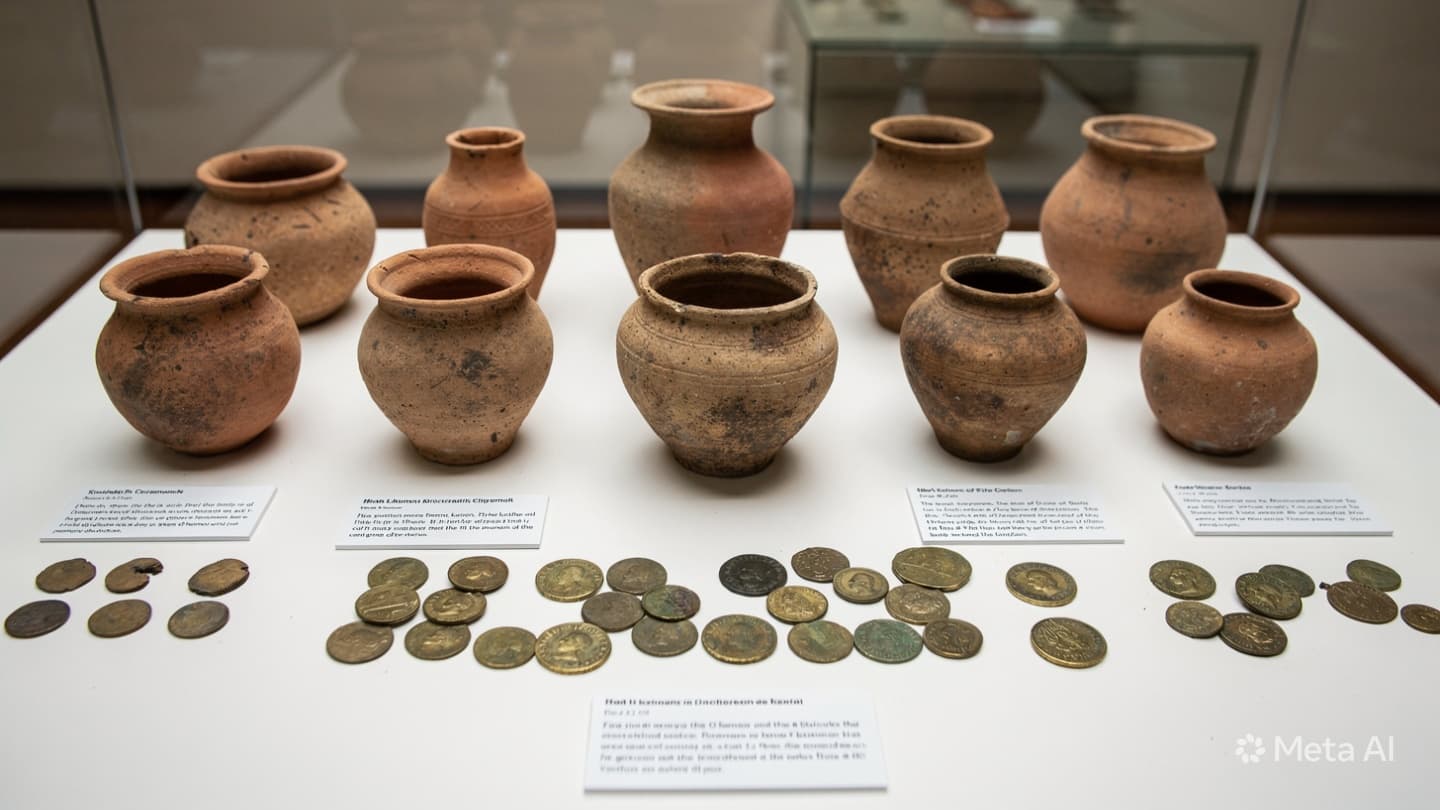
The sudden police intervention that disrupted one of these high-volume networks represents a significant victory in a quiet, ongoing battle for historical preservation. Officers moving into the hidden depots uncovered a breathtaking assemblage of artifacts, spanning millennia of human craftsmanship and artistic achievement. Here were pieces that had once decorated the villas of Roman nobles or the libraries of Ottoman scholars, now reduced to contraband hidden behind stacks of ordinary commercial goods meant for foreign shores.
The quiet handling of these objects by forensic archaeologists at the scene contrasts sharply with the cold indifference of the traffickers who sought to profit from them. Each recovered artifact is a fragment of an intricate historical puzzle, a piece of material culture that holds clues to the daily lives, beliefs, and artistic traditions of vanished generations. As the collection is carefully cataloged for transfer to the safety of state museums, the ancient city outside continues its eternal transit, its layers of stone protected for a little while longer from those who see history only as currency.
The Istanbul Security Directorate’s Anti-Smuggling Crime Branch confirmed the arrest of five individuals following a series of coordinated raids on three separate locations across the historic peninsula. Expert curators from the Istanbul Archaeology Museums have been brought in to formally authenticate the recovered items, which include early Byzantine icons, Hellenistic coins, and Bronze Age ceramics. Public prosecutors have initiated formal legal proceedings against the suspects for violating international heritage protection laws, while security forces continue to trace the destination logistics of the international buyers involved.
Note: This article was published on BanxChange.com and is powered by the BXE Token on the XRP Ledger. For the latest articles and news, please visit BanxChange.com